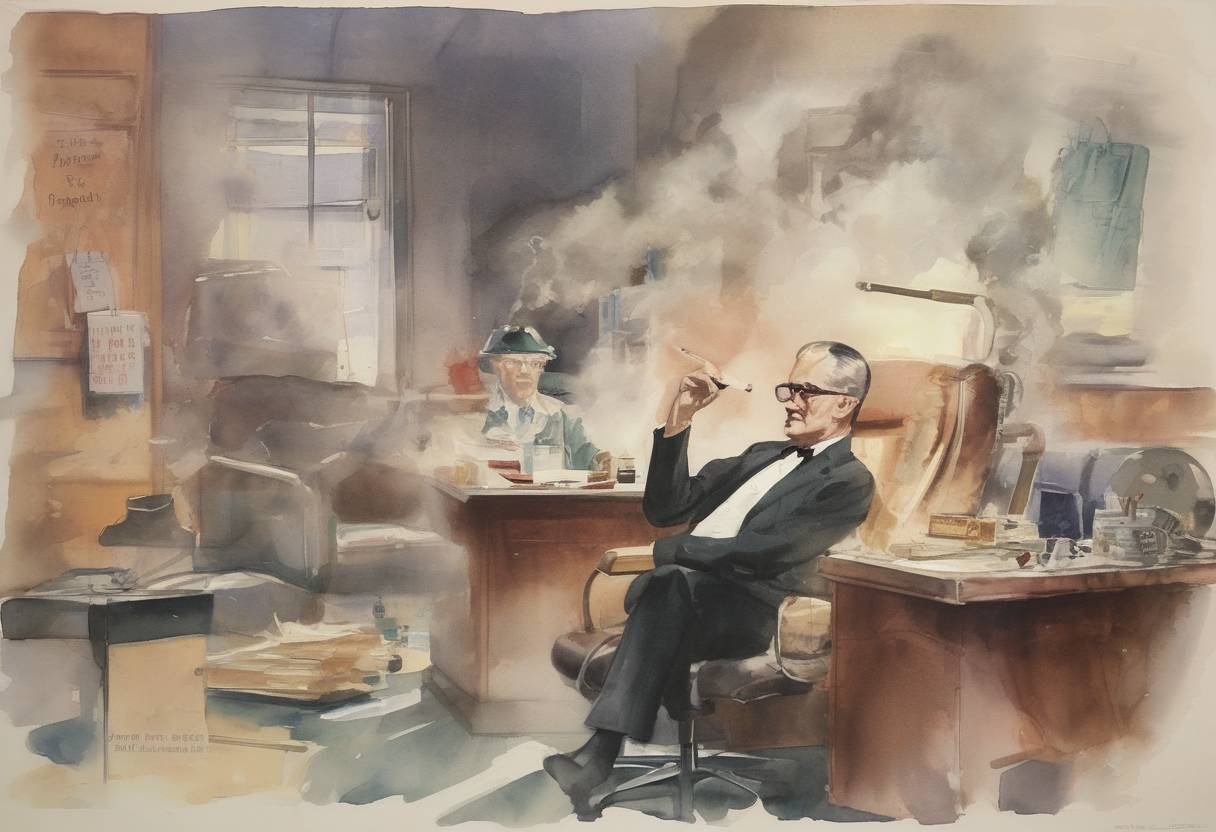
The 1964 Surgeon General’s Report on Smoking and Health
On January 11, 1964, the United States Surgeon General, Dr. Luther Terry, released a landmark report that fundamentally changed public perception and policy regarding smoking. This report, titled “Smoking and Health: Report of the Advisory Committee to the Surgeon General of the United States,” was the first authoritative statement from the U.S. government linking smoking to serious health issues, including lung cancer and chronic bronchitis.
Background
The mid-20th century saw a significant rise in cigarette consumption in the United States, with smoking being a socially accepted norm. However, concerns about the health effects of smoking began to surface in the 1950s, as scientific studies started to suggest a correlation between smoking and lung cancer. Despite this emerging evidence, the tobacco industry was powerful and influential, often downplaying or disputing these findings.
In response to growing public health concerns, Surgeon General Luther Terry convened an advisory committee in 1962 to thoroughly investigate the health impacts of smoking. The committee comprised experts in medicine, public health, and statistics, ensuring a comprehensive and unbiased examination of the available data.
Key Findings of the Report
The 1964 report concluded that:
- Cigarette smoking is a health hazard of sufficient importance in the United States to warrant appropriate remedial action.
- There was a causal relationship between smoking and lung cancer in men, with a lesser but significant link in women.
- Smoking was identified as a cause of chronic bronchitis and was associated with other respiratory diseases.
Impact and Aftermath
The release of the report had profound implications:
- Public Awareness: The report significantly raised public awareness about the dangers of smoking, leading to a gradual shift in public attitudes.
- Policy Changes: It paved the way for future regulations, including warning labels on cigarette packages and restrictions on tobacco advertising.
- Health Campaigns: The report spurred anti-smoking campaigns and public health initiatives aimed at reducing smoking rates.
Broader Historical Significance
The 1964 Surgeon General’s report marked a turning point in public health policy and tobacco regulation. It set a precedent for government involvement in health education and laid the groundwork for ongoing research and policy efforts to combat smoking-related diseases. Over the decades, smoking rates in the U.S. have declined significantly, demonstrating the long-term impact of this pivotal report.
In summary, the 1964 Surgeon General’s report was a critical moment in public health history, highlighting the dangers of smoking and initiating a shift towards greater health consciousness and regulatory measures to protect public health.