Operation Olive Branch: January 21, 2018
2018 · Afrin, Syria
A Turkish military operation named 'Operation Olive Branch' was launched against the YPG militia in Afrin, Syria.
October 9, 2019
Turkey launched a military operation into northeastern Syria, targeting Kurdish forces following the withdrawal of U.S. troops from the area. The operation led to significant geopolitical shifts in the region.
Northeastern Syria, Syria | Turkish Armed Forces
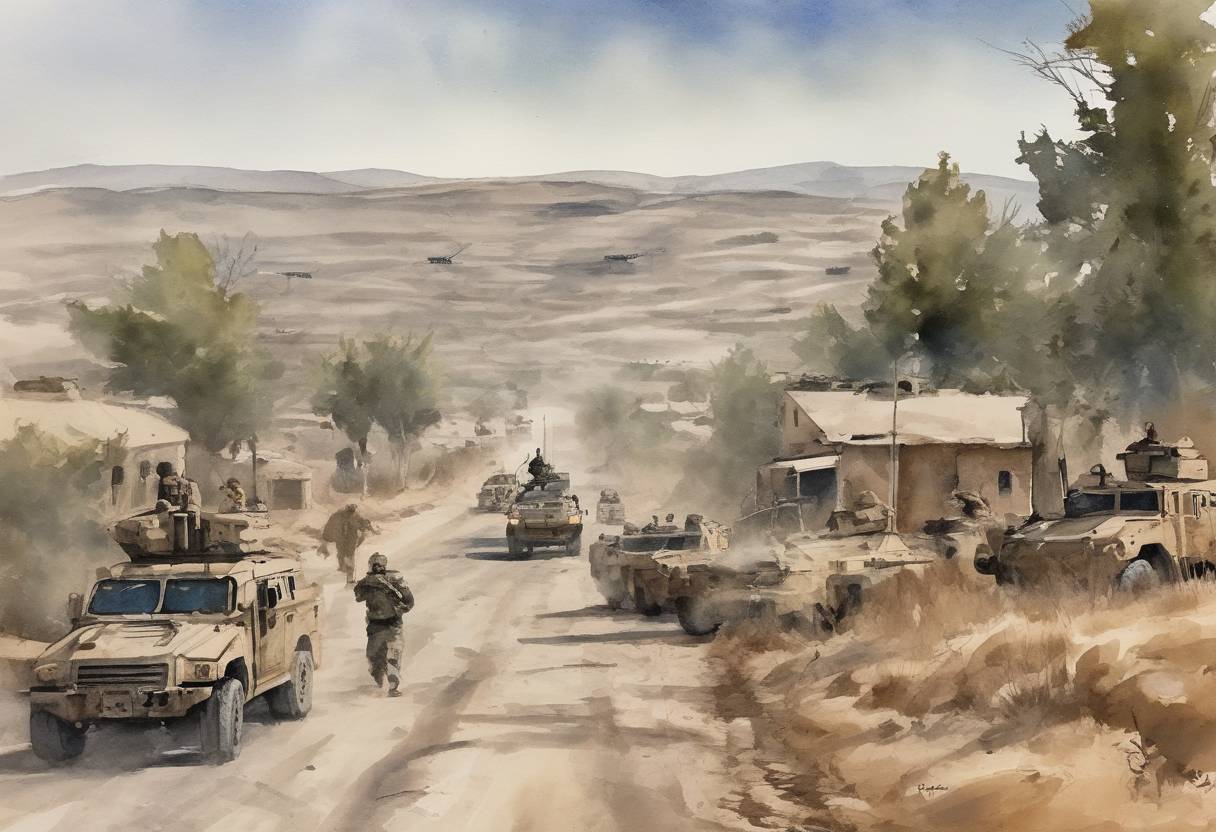
On October 9, 2019, Turkey launched a military operation named “Operation Peace Spring” into northeastern Syria. This operation targeted Kurdish forces, specifically the Syrian Democratic Forces (SDF), which were primarily composed of the Kurdish People’s Protection Units (YPG). The Turkish government viewed the YPG as an extension of the Kurdistan Workers’ Party (PKK), a designated terrorist organization by Turkey, the United States, and the European Union.
U.S. Troop Withdrawal: Prior to the operation, the United States, under President Donald Trump, announced the withdrawal of U.S. troops from the region. This decision effectively removed the protective presence that had been shielding the Kurdish forces, who were key allies in the fight against ISIS.
Turkey’s Security Concerns: Turkey had long expressed concerns over the presence of Kurdish forces along its border with Syria, fearing the establishment of an autonomous Kurdish region that could inspire similar aspirations among its Kurdish population.
Geopolitical Tensions: The decision by the U.S. to withdraw was met with criticism both domestically and internationally, as it was perceived as abandoning the Kurdish allies and potentially destabilizing the region further.
Initial Assault: The operation began with airstrikes and artillery shelling, followed by a ground invasion. Turkish forces, along with allied Syrian rebel groups, advanced into Syrian territory.
Humanitarian Impact: The offensive led to significant displacement of civilians, with tens of thousands fleeing the conflict zones. Reports of casualties and humanitarian crises emerged, drawing international concern.
International Reactions: The operation was widely condemned by various countries and international organizations. The European Union called for Turkey to cease its military actions, while the United States imposed sanctions on Turkey, which were later lifted following a ceasefire agreement.
Ceasefire Agreements: Following diplomatic engagements, Turkey agreed to a temporary ceasefire, brokered by the United States, to allow Kurdish forces to withdraw from the designated “safe zone” Turkey aimed to establish.
Russian Involvement: Russia, a key ally of the Syrian government, brokered an additional agreement with Turkey, allowing for joint patrols along the border and further withdrawal of Kurdish forces.
Geopolitical Shifts: The operation significantly altered the power dynamics in northeastern Syria. The Syrian government, with Russian support, regained control over some areas previously held by Kurdish forces.
Impact on U.S.-Turkey Relations: The operation strained U.S.-Turkey relations, leading to debates within the U.S. about its foreign policy in the Middle East and its commitments to allies.
Operation Peace Spring highlighted the complex interplay of regional and international politics in Syria, underscoring the fragile alliances and the ongoing humanitarian challenges in the region.
Source: www.bbc.com