Rhode Island Renounces Allegiance to King George III
1776 · Providence, USA
Rhode Island became the first American colony to renounce allegiance to King George III, two months before the Declaration of Independence was adopted.
June 13, 1774
Rhode Island became the first of Britain's North American colonies to ban the importation of slaves, marking an early legislative step against slavery.
Providence, United States | Rhode Island General Assembly
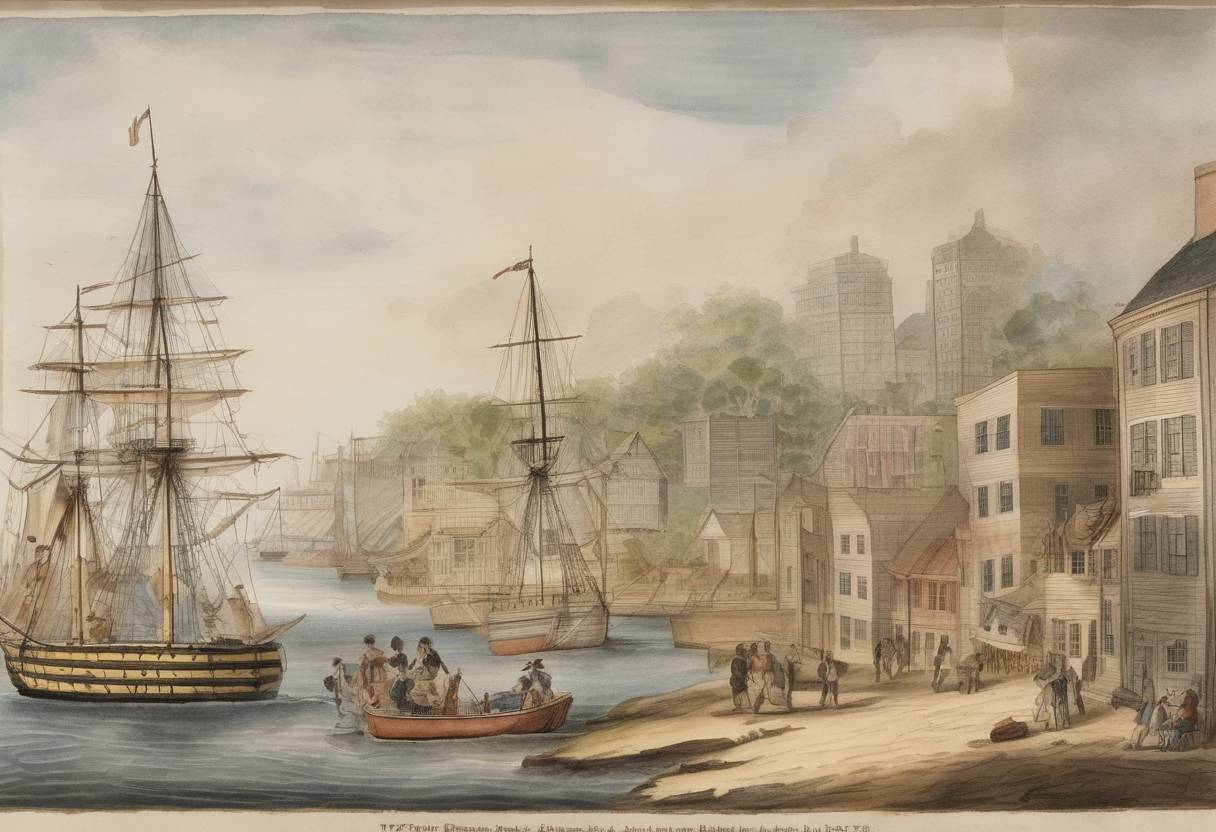
On June 13, 1774, Rhode Island made a significant legislative move by becoming the first of Britain’s North American colonies to ban the importation of slaves. This action marked an early step in the legislative fight against the institution of slavery in the American colonies.
During the 18th century, the transatlantic slave trade was a major component of the economy in many of the American colonies, including Rhode Island. The colony was heavily involved in the trade, with its ports serving as key points for the importation and exportation of enslaved Africans. However, by the mid-1700s, there was growing opposition to the practice, influenced by Enlightenment ideals and religious groups such as the Quakers, who were vocal advocates for abolition.
The legislation passed on June 13, 1774, was a response to increasing moral and economic concerns about the slave trade. It prohibited the importation of enslaved people into Rhode Island, reflecting a shift in public sentiment and the influence of abolitionist thought. The law was part of a broader trend in the colonies where debates about slavery and human rights were becoming more prominent.
Rhode Island’s decision to ban the importation of slaves was significant for several reasons:
Early Legislative Action: It represented one of the earliest legislative actions against slavery in the American colonies, setting a precedent for other colonies and states to follow.
Moral and Economic Considerations: The ban highlighted the growing moral opposition to slavery and the recognition of its economic implications, as some colonists began to see the institution as incompatible with emerging American ideals of liberty and freedom.
Influence on Future Legislation: This move paved the way for future legislative efforts to restrict and eventually abolish slavery in the United States. It contributed to the gradual shift in public opinion that would culminate in the abolitionist movements of the 19th century.
While the 1774 ban was a critical step, it did not immediately end the practice of slavery in Rhode Island or the other colonies. Slavery continued to exist, and it would take decades of activism and legislative efforts before slavery was abolished nationwide with the 13th Amendment in 1865. Nonetheless, Rhode Island’s action in 1774 was an important early step in the long journey toward abolition.
In summary, the ban on the importation of slaves by Rhode Island on June 13, 1774, was a pioneering legislative act that reflected changing attitudes towards slavery and laid the groundwork for future abolitionist efforts in the United States.
Source: en.wikipedia.org