The Surrender of Messina: December 11, 1282
1282 · Messina, Italy
The Sicilian city of Messina surrenders to the forces of Charles of Anjou, marking a significant moment in the War of the Sicilian Vespers.
March 31, 1282
The Sicilian Vespers rebellion against Charles of Anjou leads to the massacre of thousands of French inhabitants in Sicily, marking the beginning of the War of the Sicilian Vespers.
Palermo, Kingdom of Sicily | Kingdom of Sicily
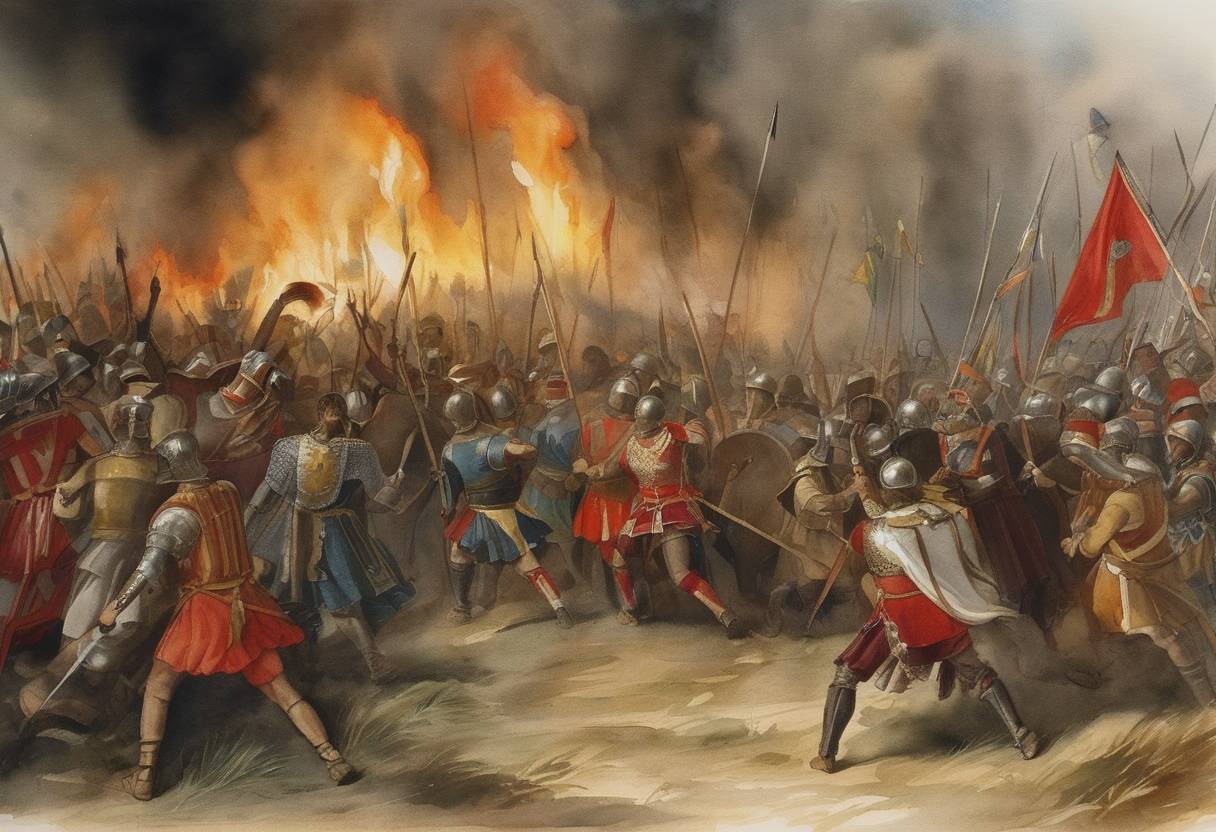
On March 31, 1282, the island of Sicily witnessed a significant uprising known as the Sicilian Vespers. This event marked the beginning of a protracted conflict colloquially referred to as the War of the Sicilian Vespers, which had profound implications for Mediterranean politics.
The root cause of the uprising can be traced back to the unpopular rule of Charles of Anjou, the brother of King Louis IX of France, who had seized control over the Kingdom of Sicily in 1266. His governance was characterized by heavy taxation and favoritism toward French officials, creating widespread resentment among the local Sicilian population. The tension between the occupying French forces and the native Sicilians was further exacerbated by cultural and economic disenfranchisement.
The rebellion commenced during the evening vespers service of Easter Monday in the town of Palermo. A spontaneous eruption of violence was provoked by an incident involving French soldiers and the harassment of local women attending the church. This sparked an uprising among the locals, who, fueled by a combination of anger and a desire for retribution, launched a coordinated attack against the French residents.
Over the night of March 31 and into the following days, thousands of French inhabitants were slain, as the riots quickly spread from Palermo to other parts of the island. The revolt capitalized on the simmering discontent and quickly organized into an organized resistance against the Angevin rule.
The aftermath of the rebellion led to a broader conflict known as the War of the Sicilian Vespers, which drew in other Mediterranean powers, including the Crown of Aragon. The war realigned regional powers and contributed to a decline in the Angevin influence.
The Sicilian Vespers not only marked a crucial shift in the island’s political landscape but also highlighted the deep-seated cultural and nationalistic tensions present in medieval Europe. The uprising is remembered as a significant assertion of local autonomy against foreign rule, symbolizing the fierce resistance of a subjugated populace against oppressive governance.
Source: en.wikipedia.org