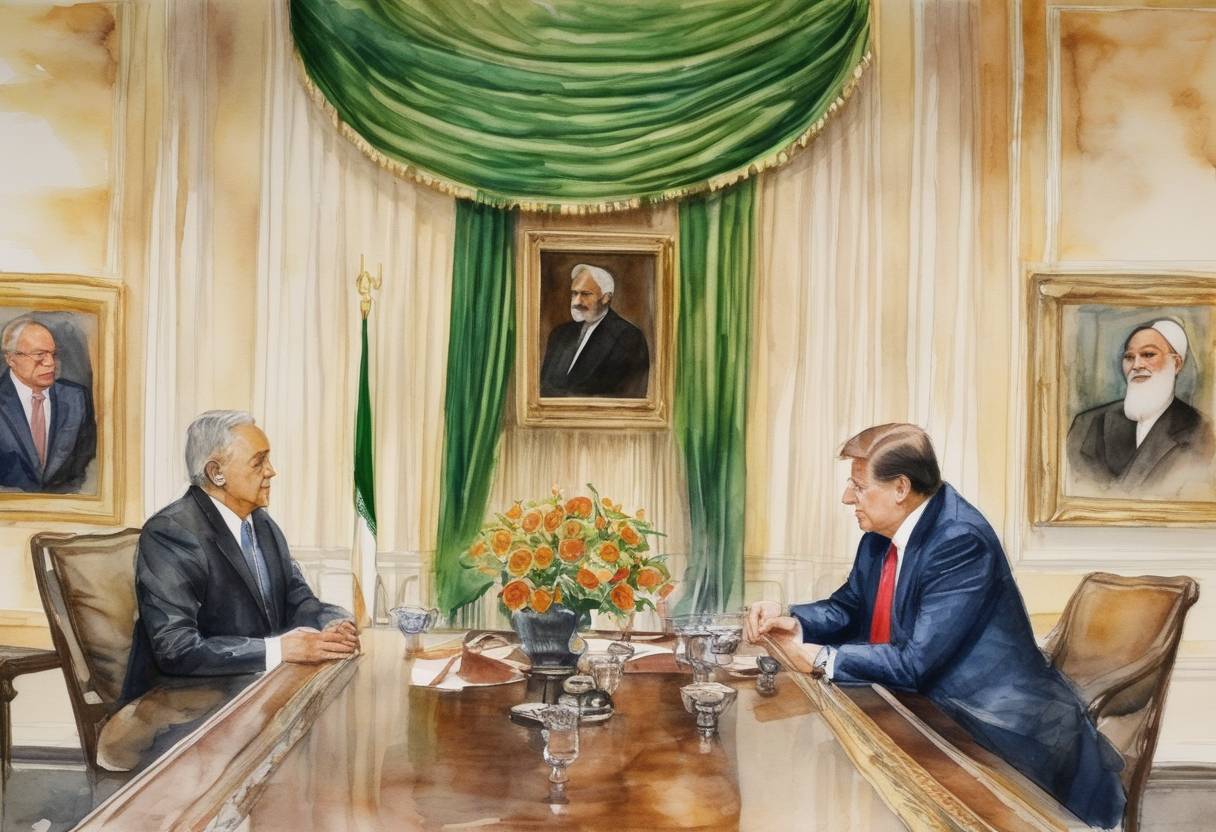
United States Sanctions on Iran - February 7, 2012
On February 7, 2012, the United States intensified its measures against Iran by announcing a new set of sanctions aimed at crippling the Iranian economy. These sanctions specifically targeted the Iranian Central Bank and its vital oil industry, marking a significant escalation in the international pressure to curb Iran’s controversial nuclear program.
Context and Background
The imposition of these sanctions came amidst growing international concerns over Iran’s nuclear activities, which many countries, including the United States, suspected were intended for developing nuclear weapons capabilities under the guise of a civilian program. Iran maintained that its nuclear pursuits were solely for peaceful purposes.
Prior to these sanctions, Iran was already under multiple layers of international restrictions, including those imposed by the United Nations. However, the centrality of oil to the Iranian economy made the February 2012 U.S. sanctions particularly potent. It was an effort to further isolate Iran from the global financial system and reduce its capacity to fund its nuclear program.
Key Provisions of the Sanctions
Central Bank Sanctions: The sanctions included measures against Iran’s Central Bank, effectively barring any financial institutions dealing with the Iranian Central Bank from accessing the U.S. financial system. This move was designed to obstruct Iran’s ability to conduct international trade, especially in oil.
Oil Industry Focus: Given that the oil sector accounted for a substantial portion of Iran’s national revenue, the sanctions aimed to cut Iran’s oil export revenues significantly. The U.S. sought to penalize countries and companies that continued to purchase oil from Iran, thereby exerting economic pressure on Tehran.
Global Coordination: The U.S. worked closely with European allies and other nations to implement these measures effectively. Coordination was necessary to ensure that the sanctions would be comprehensive and minimize the possibility of leakage that could undermine their impact.
Historical Significance
The February 2012 sanctions represent a pivotal moment in the diplomatic strategy of addressing Iran’s nuclear ambitions. They underscored the increasing willingness of the U.S. and its allies to use economic means as a tool of foreign policy to deter nuclear proliferation. These sanctions were part of a broader strategy to bring Iran to the negotiating table, eventually leading to the 2015 Joint Comprehensive Plan of Action (JCPOA), an agreement aimed at rolling back Iran’s nuclear program in exchange for sanctions relief.
By exerting economic pressure, the U.S. intended not only to curtail Iran’s nuclear capabilities but also to send a message to other nations concerning the global consequences of pursuing nuclear armament against international norms. These sanctions further deepened the economic struggles within Iran, contributing to ongoing debates about the efficacy and ethics of using economic sanctions as a geopolitical instrument.