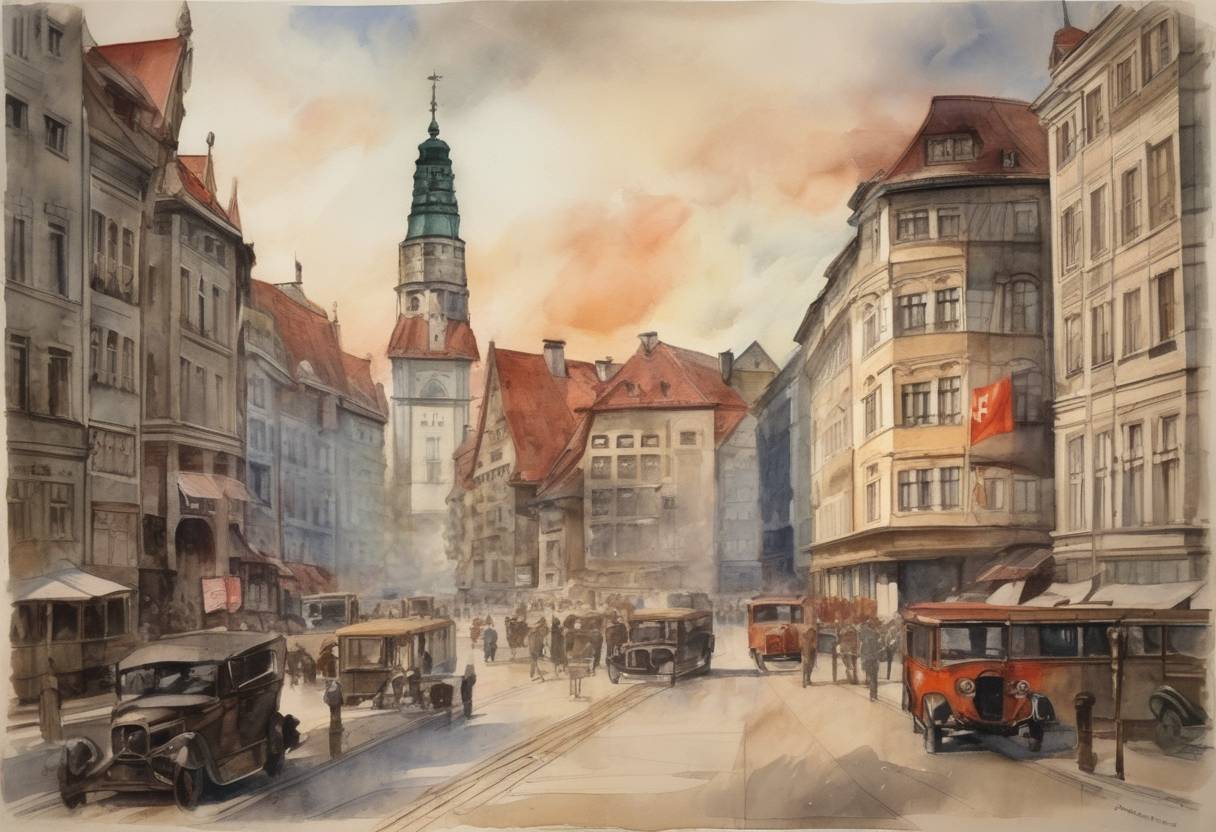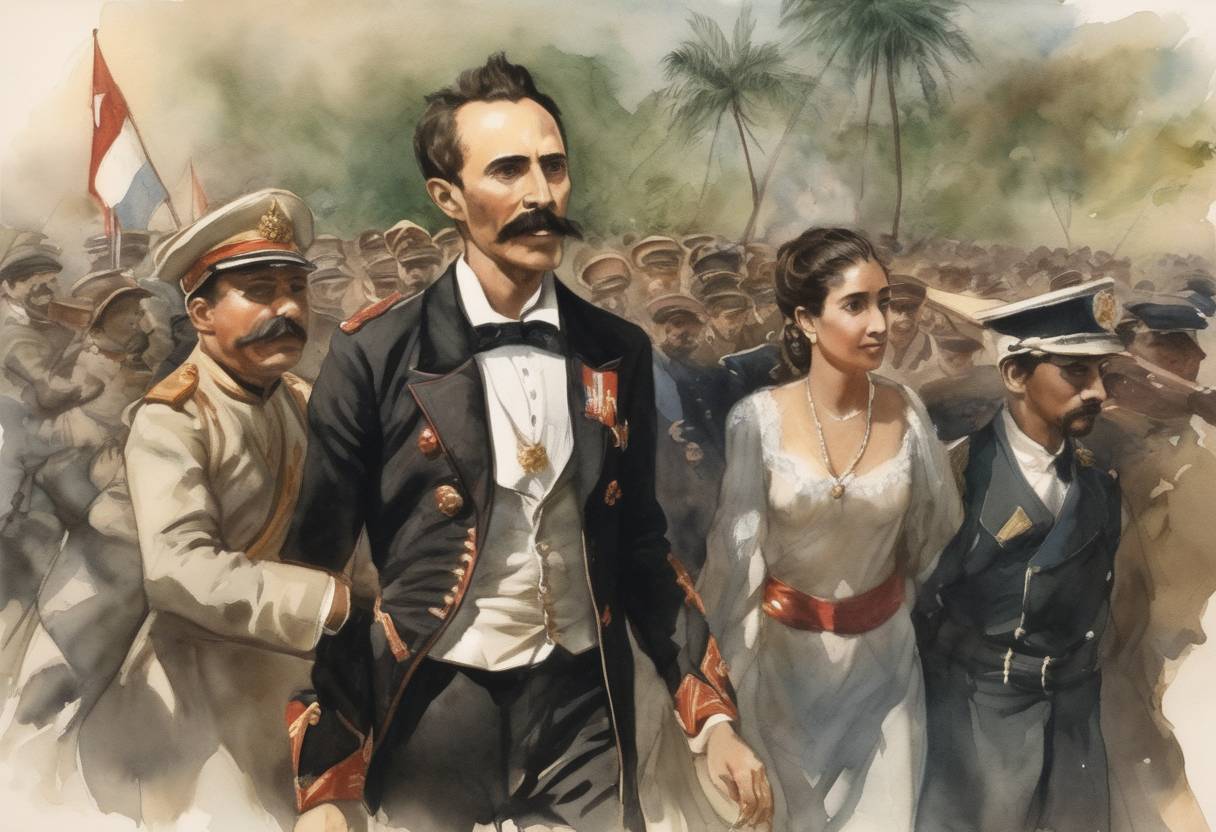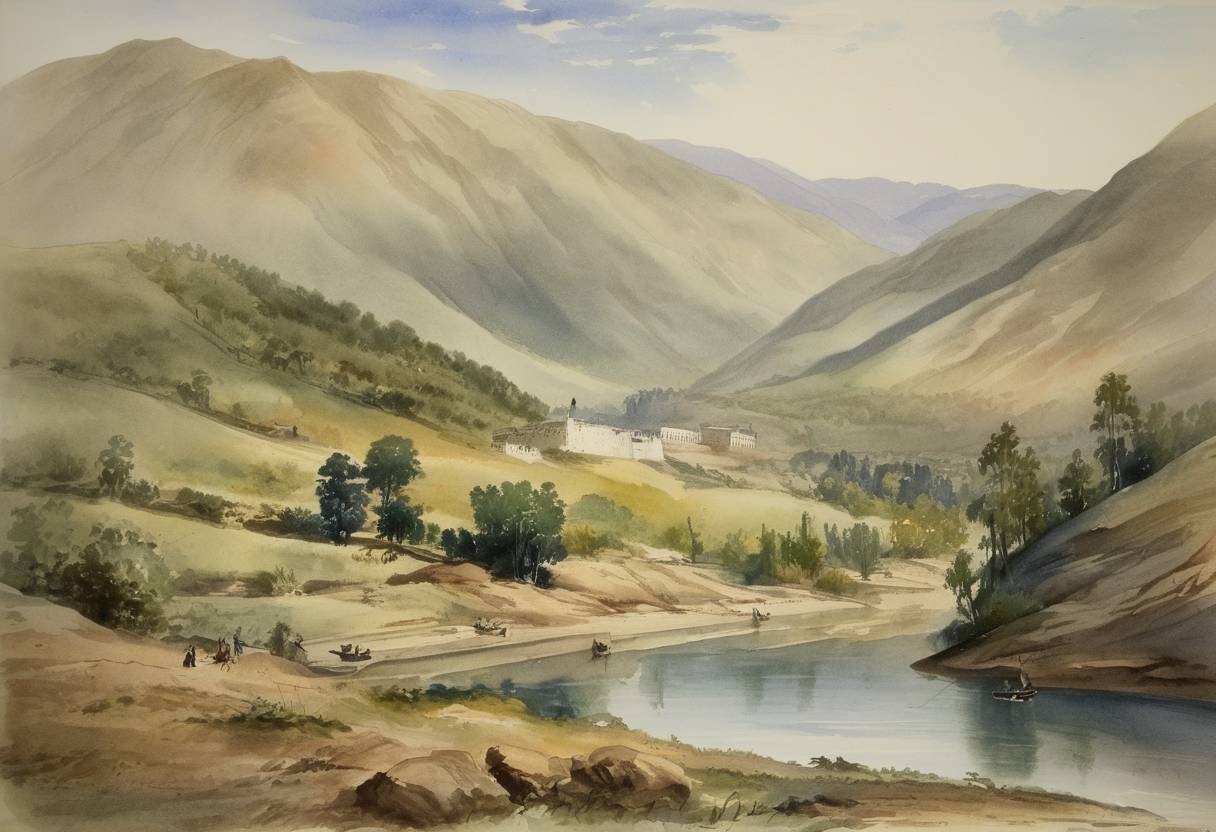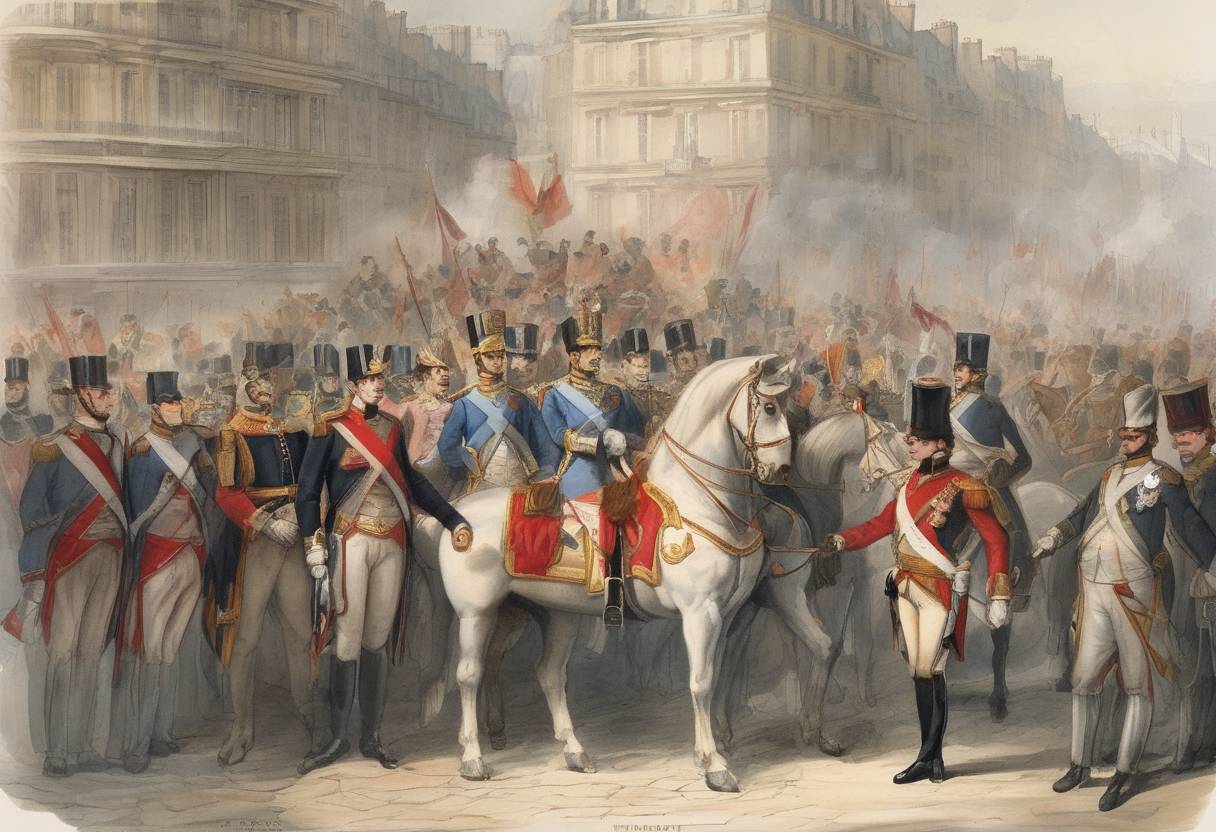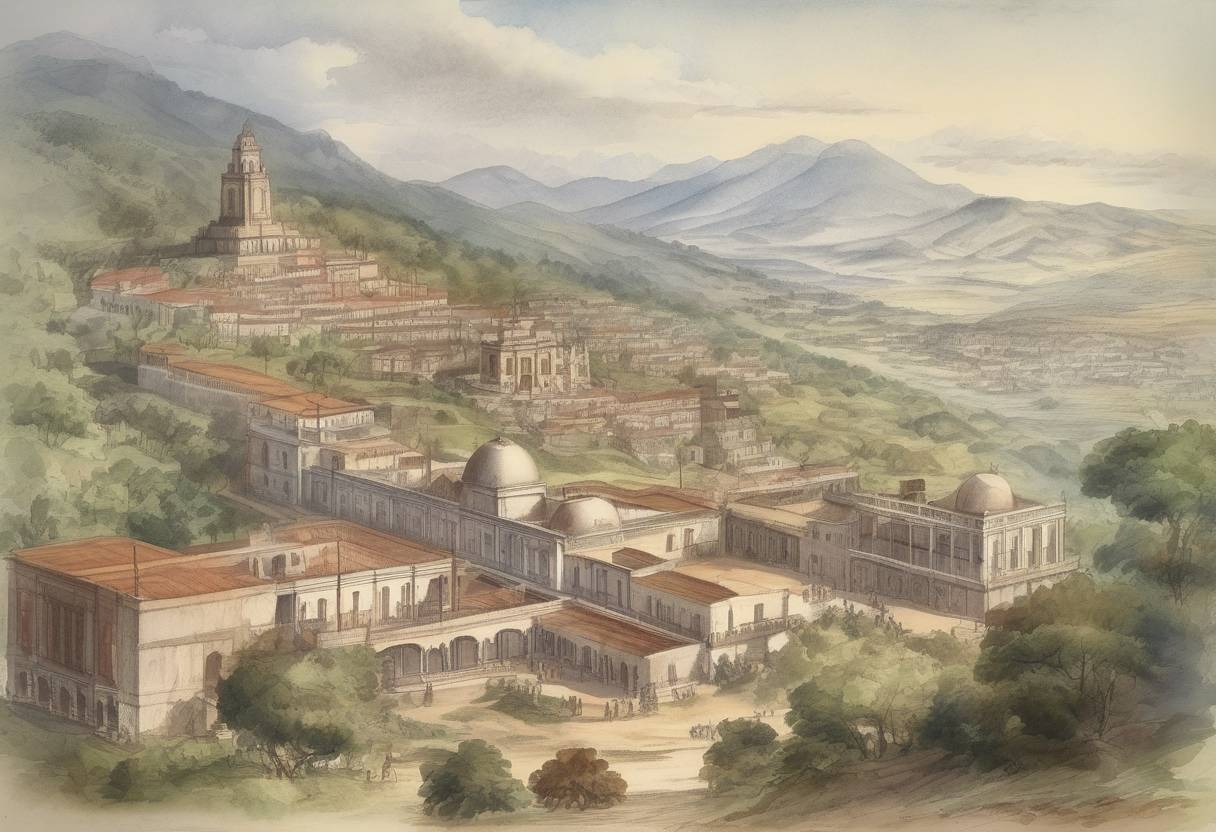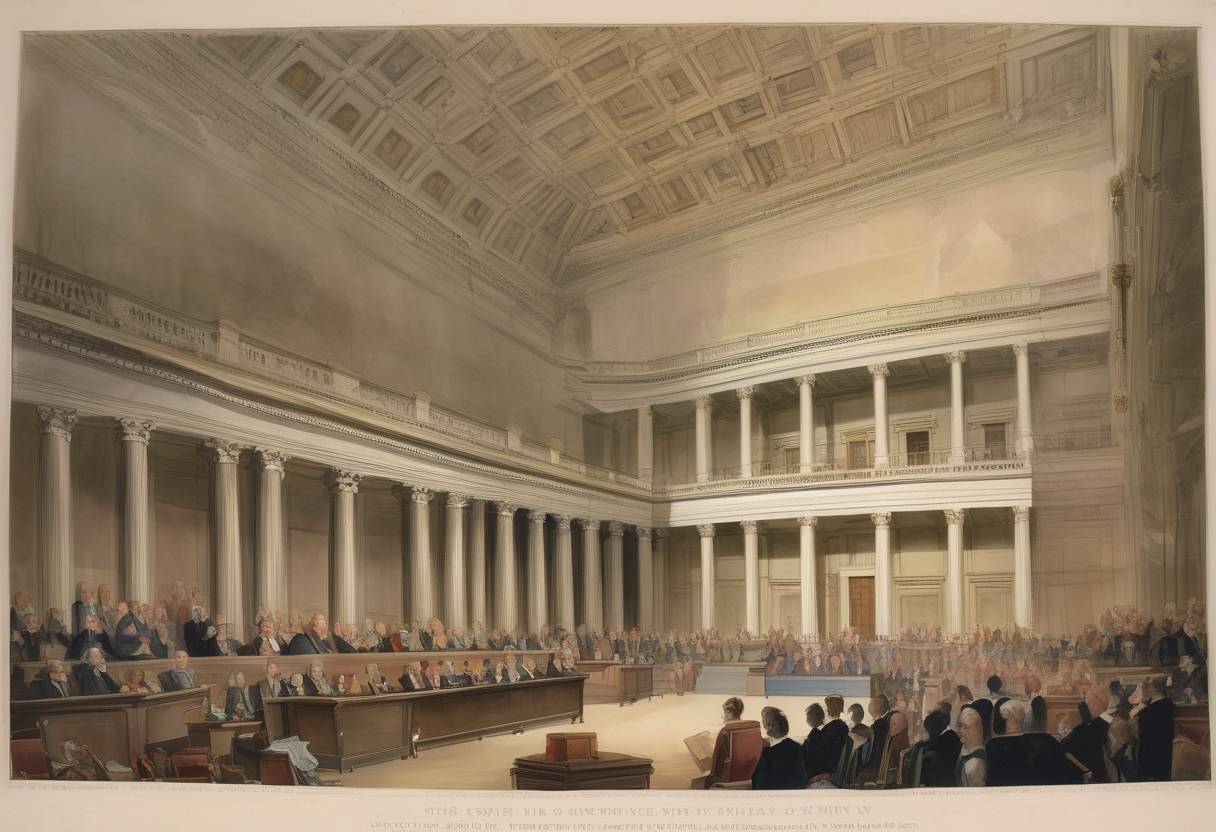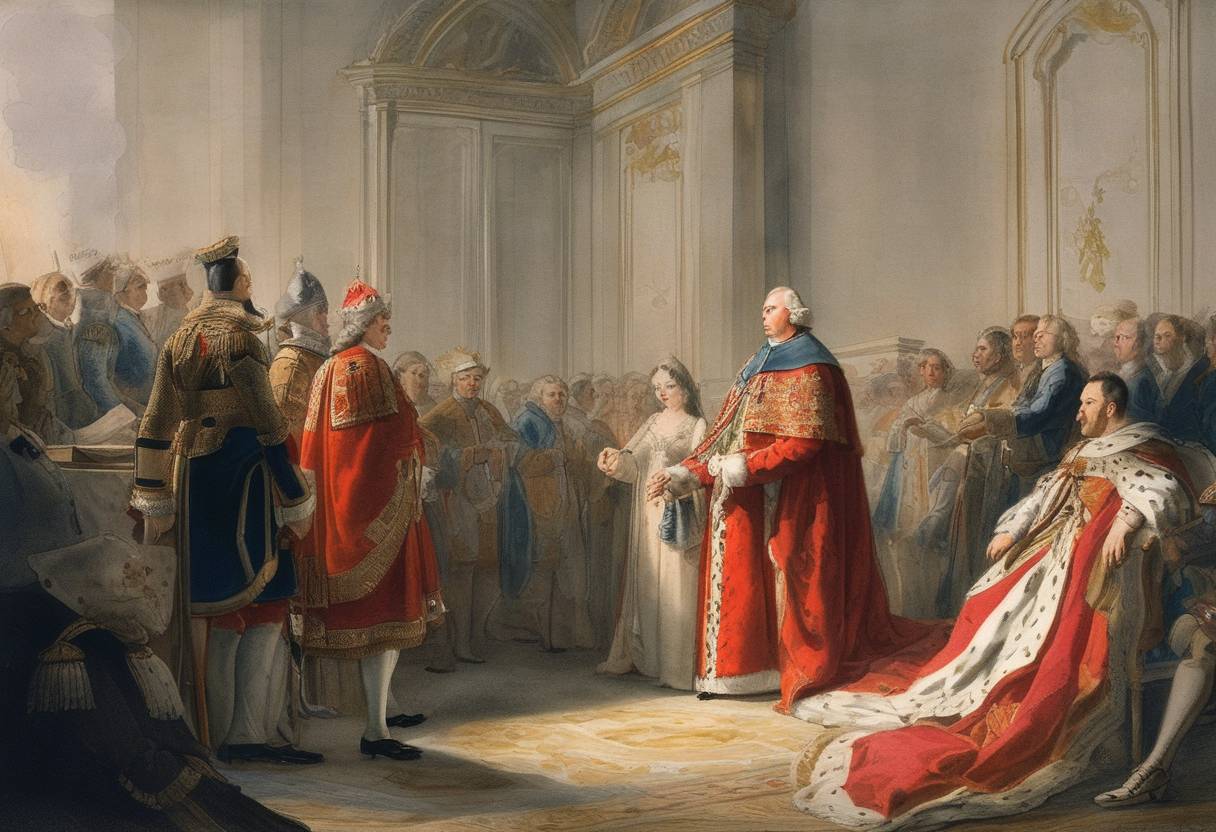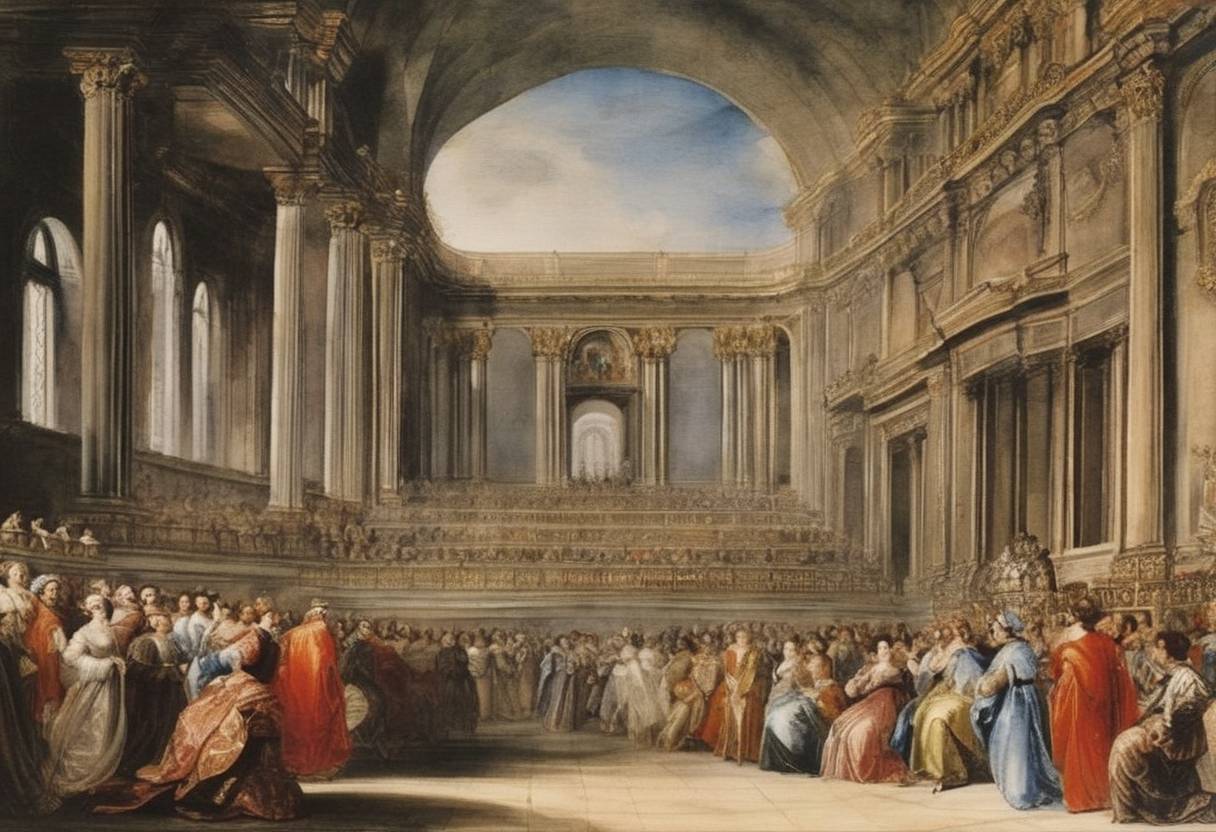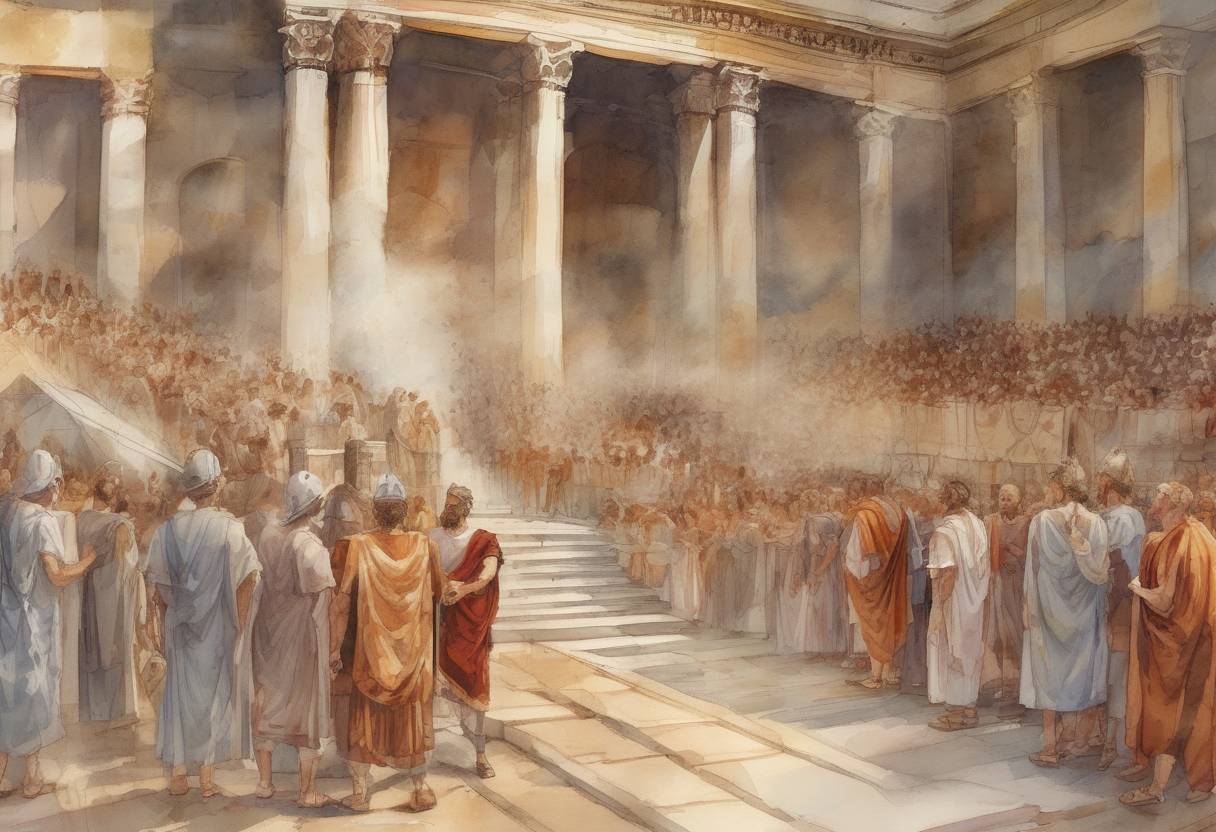
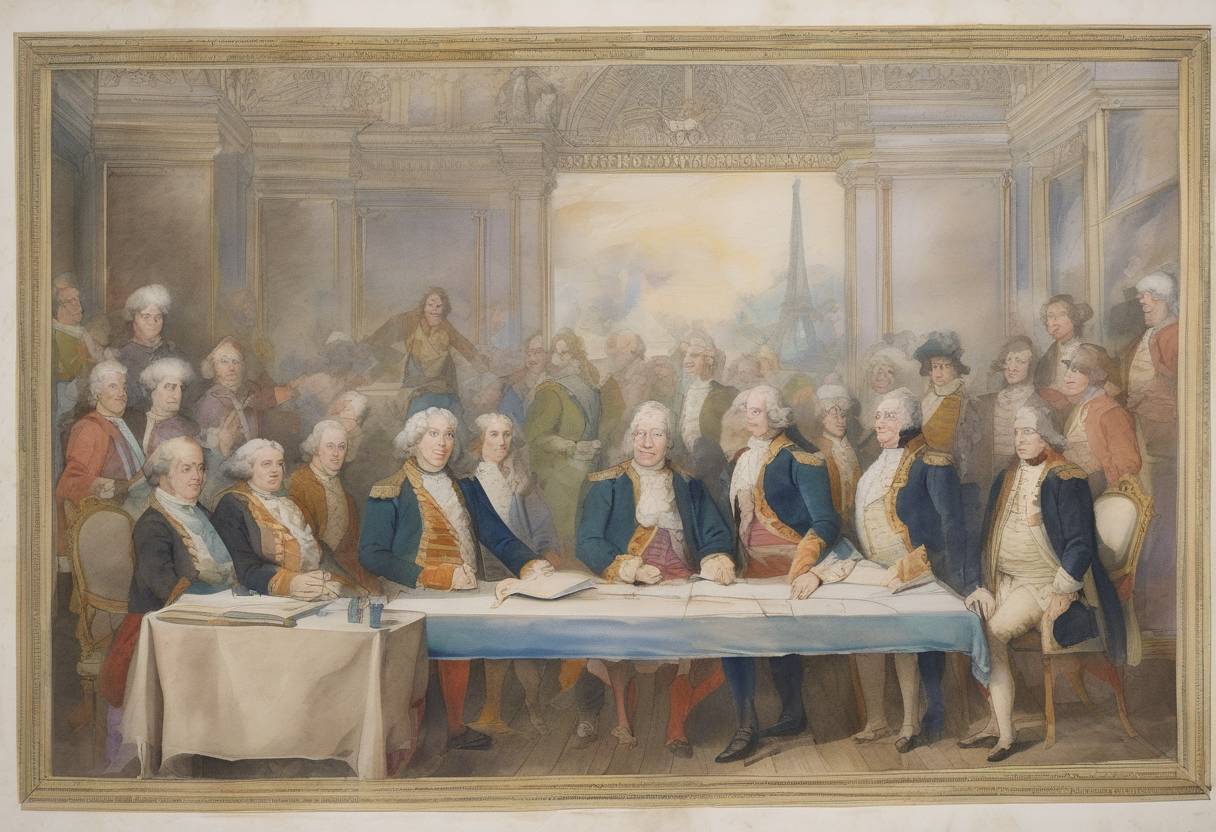
The Treaty of Paris was signed, ending the Anglo-French War (1294–1303). It restored peace between England and France, with England relinquishing claims to certain territories in exchange for the return of Gascony.
In History, Today on February 24
Today we explore events from the year 1303 to the year 2022. Events span the globe, from the countries of Ukraine, Italy, United States, Mexico, United Kingdom, Germany, Cuba, Japan, Russia, France, Papal States, Estonia, Argentina, Kuwait.
1303
Paris, France
1525
Pavia, Italy
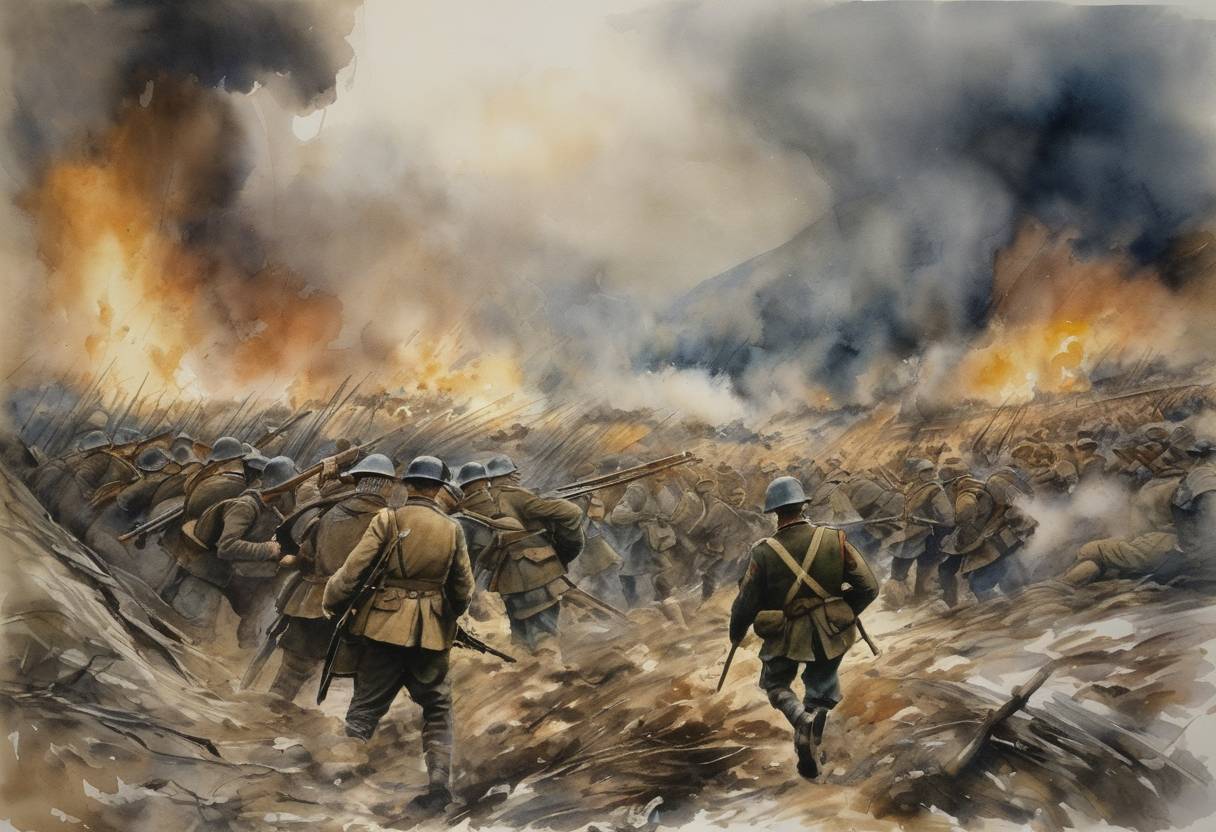
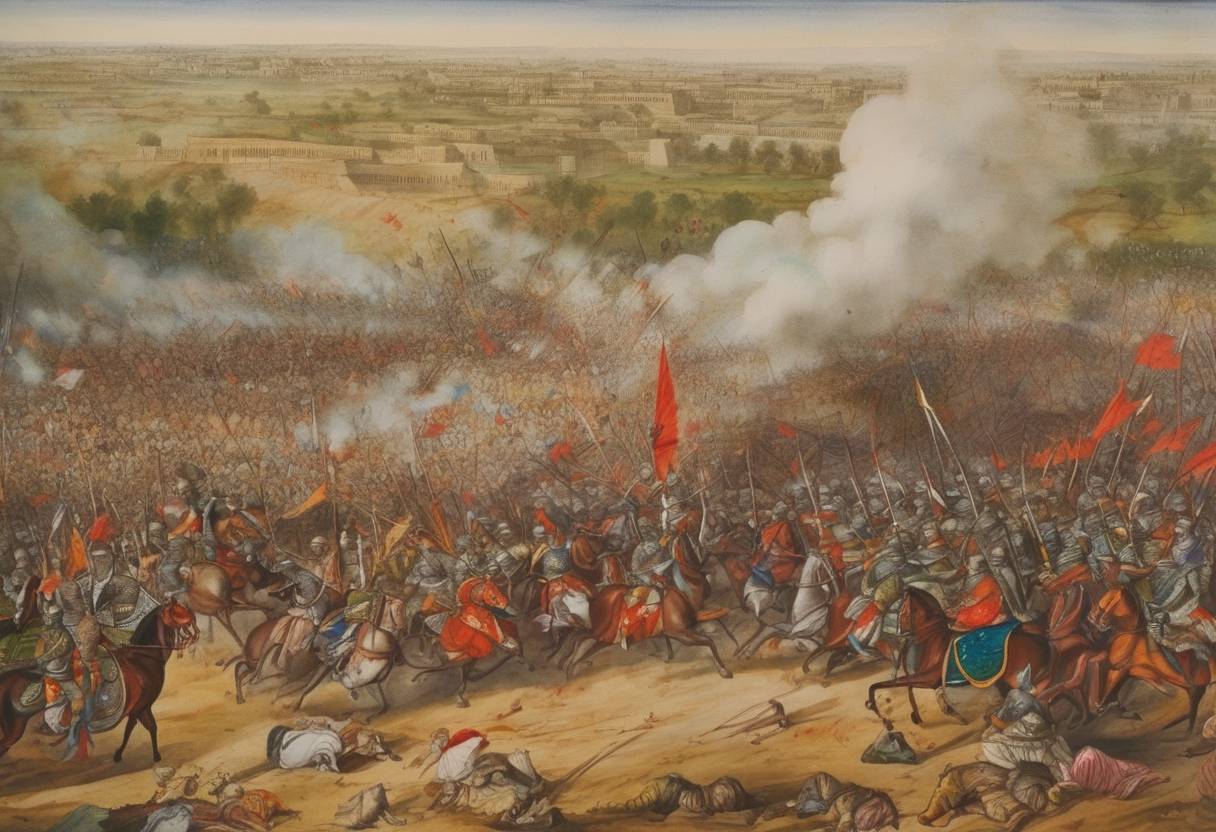
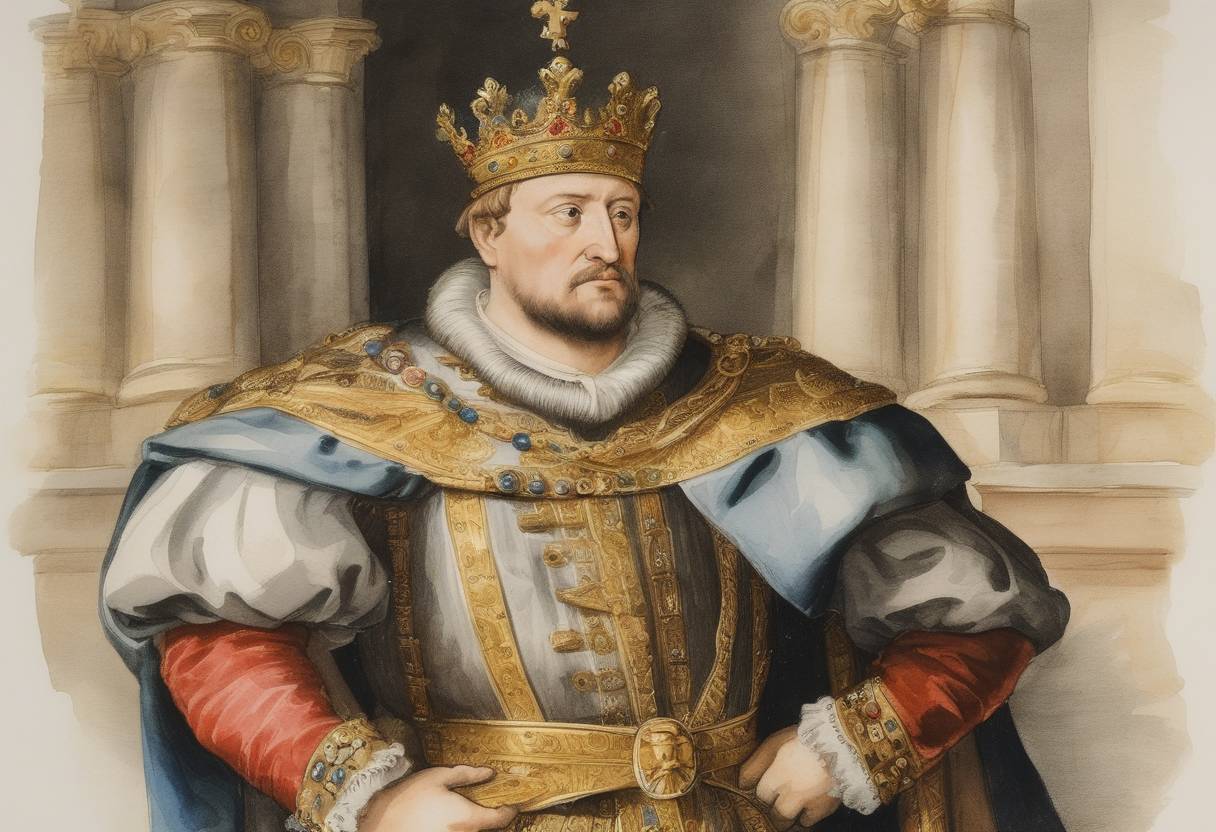
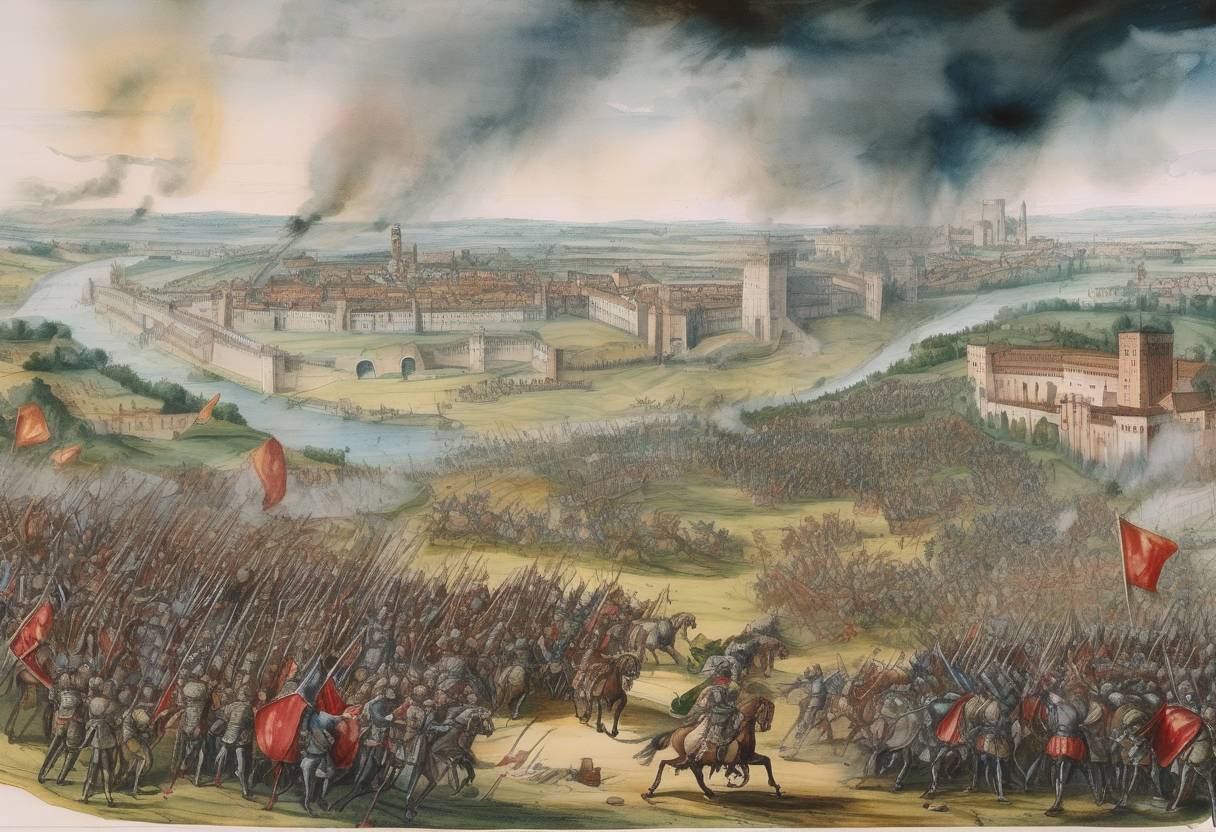
The Battle of Pavia took place, resulting in a decisive victory for the Spanish-Imperial forces over the French army. King Francis I of France was captured, marking a significant turning point in the Italian Wars.
1582
Rome, Papal States
Pope Gregory XIII issued the papal bull 'Inter gravissimas,' announcing the Gregorian calendar reform, which adjusted the calendar to better align with the solar year.
1803
Washington, D.C., United States
The Supreme Court of the United States established the principle of judicial review in the landmark case Marbury v. Madison.
1821
Iguala, Mexico
Agustín de Iturbide and Vicente Guerrero proclaimed the Plan of Iguala, which laid the foundation for Mexican independence from Spain, emphasizing the principles of religion, independence, and unity.
1848
Paris, France
King Louis-Philippe of France abdicated the throne following the February Revolution, leading to the establishment of the French Second Republic.
1868
Washington, D.C., United States
The U.S. House of Representatives voted to impeach President Andrew Johnson, the first impeachment of a U.S. president, primarily over his violation of the Tenure of Office Act.
1917
London, United Kingdom
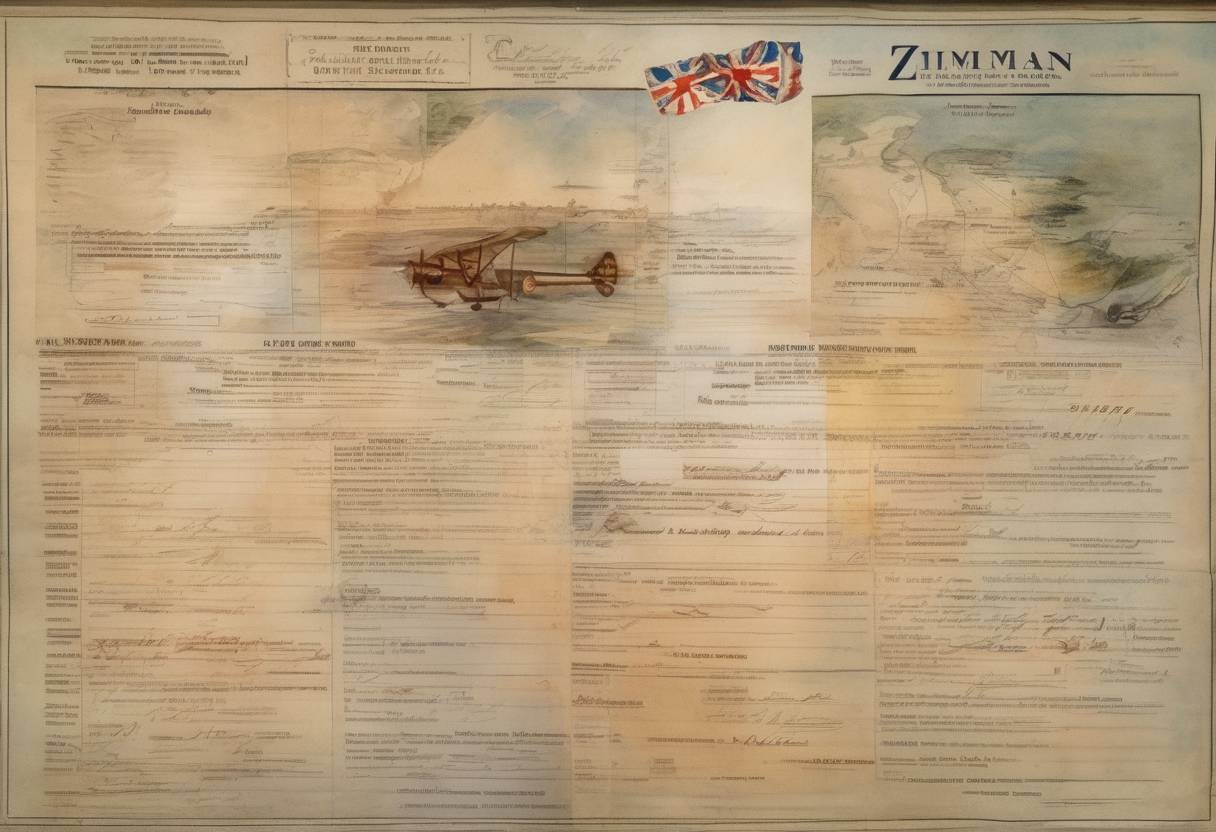
The British government presented the Zimmermann Telegram to the United States, a secret communication from Germany proposing a military alliance with Mexico.
1918
Tallinn, Estonia
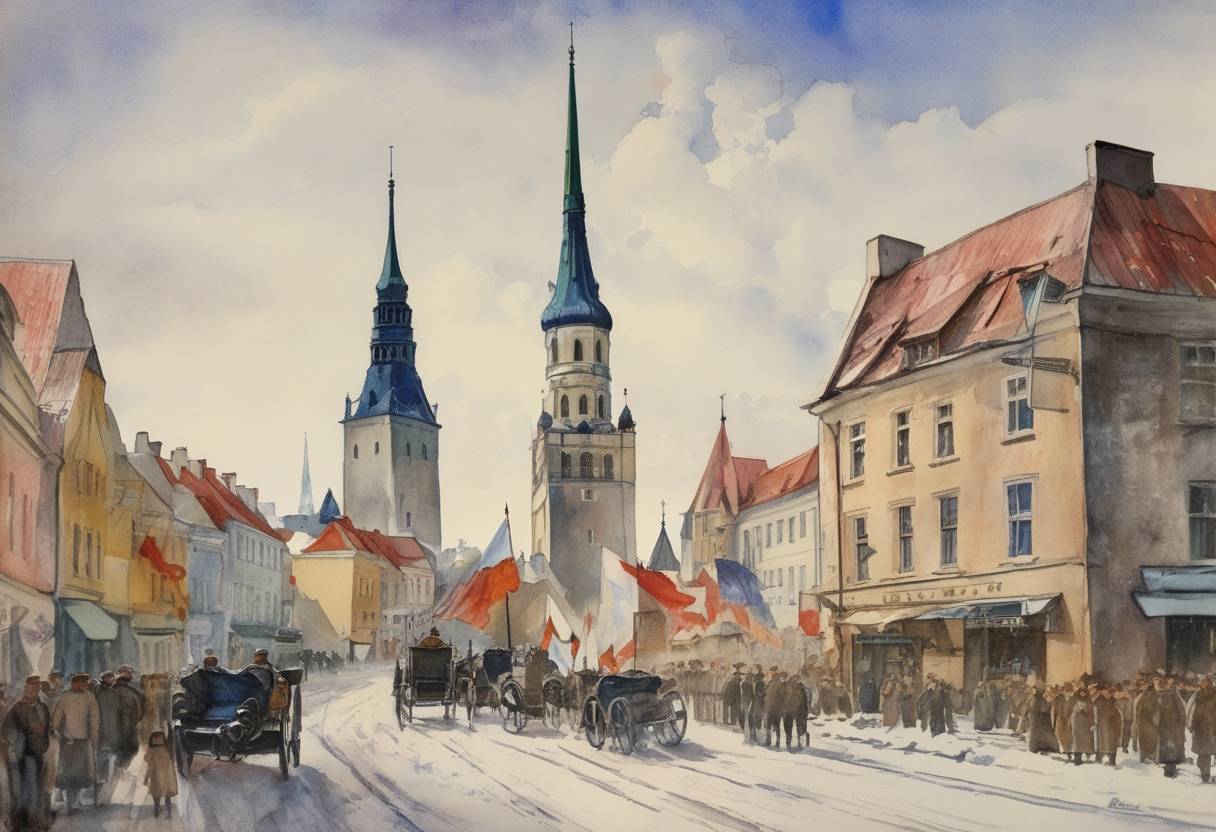
Estonia declared its independence from Russia amidst the chaos of World War I and the Russian Revolution, marking the beginning of the Estonian War of Independence.
1920
Munich, Germany
The Nazi Party (NSDAP) was founded in Germany, marking the beginning of a political movement that would have profound effects on world history.
1946
Buenos Aires, Argentina
Juan Domingo Perón was elected President of Argentina, marking the beginning of a significant era in Argentine politics characterized by Peronism.
1980
Lake Placid, United States
The United States Olympic hockey team defeated Finland to win the gold medal at the Winter Olympics in Lake Placid, completing the 'Miracle on Ice' tournament.
1981
London, United Kingdom
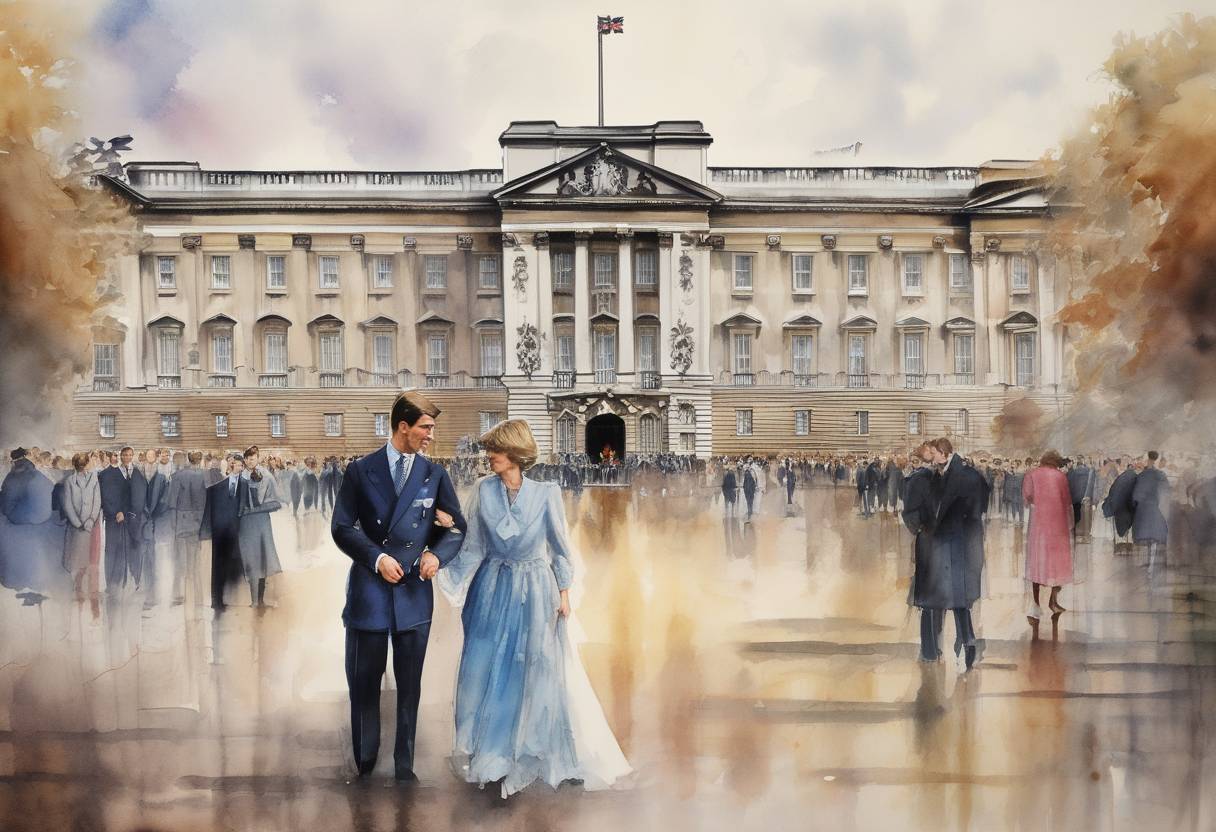
Buckingham Palace announced the engagement of Prince Charles and Lady Diana Spencer, a major event in British royal history.
1991
Kuwait City, Kuwait
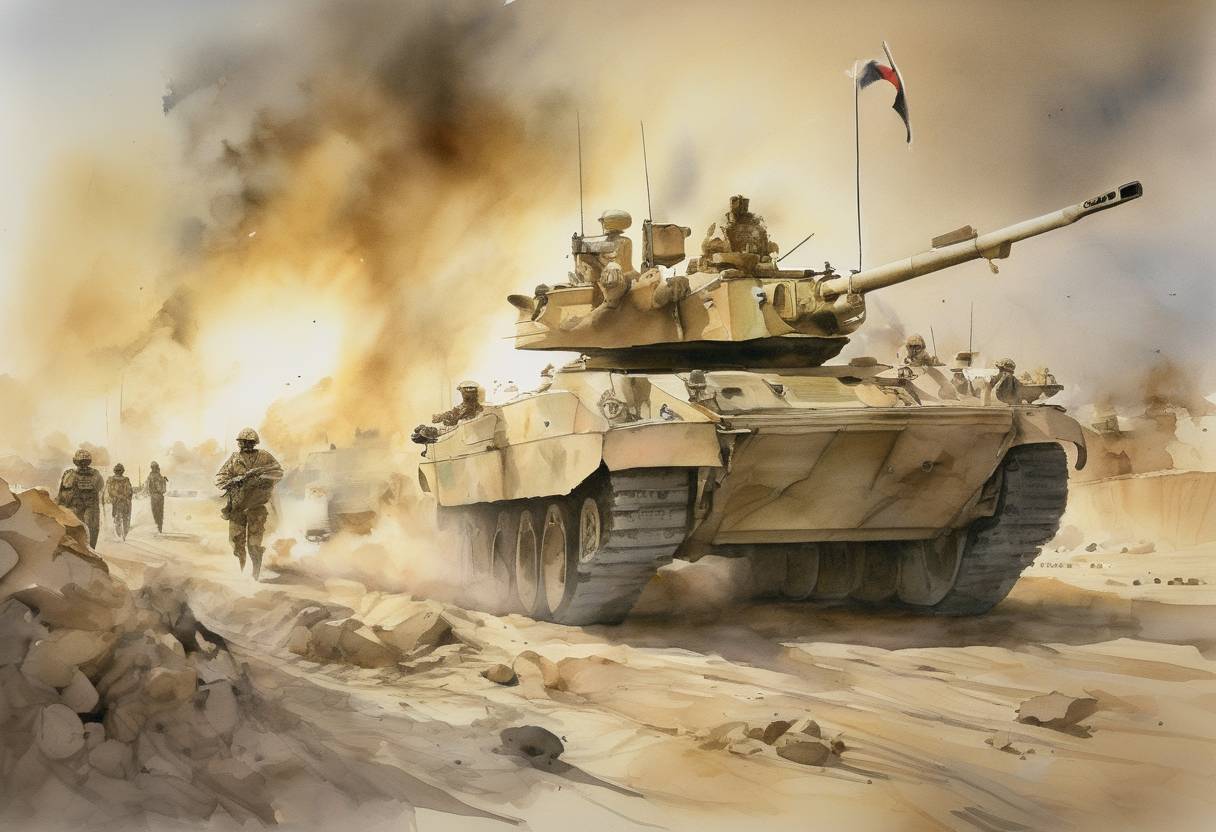
The ground phase of the Gulf War began with a massive coalition force assault on Iraqi positions in Kuwait and southern Iraq, leading to the liberation of Kuwait.
2008
Havana, Cuba
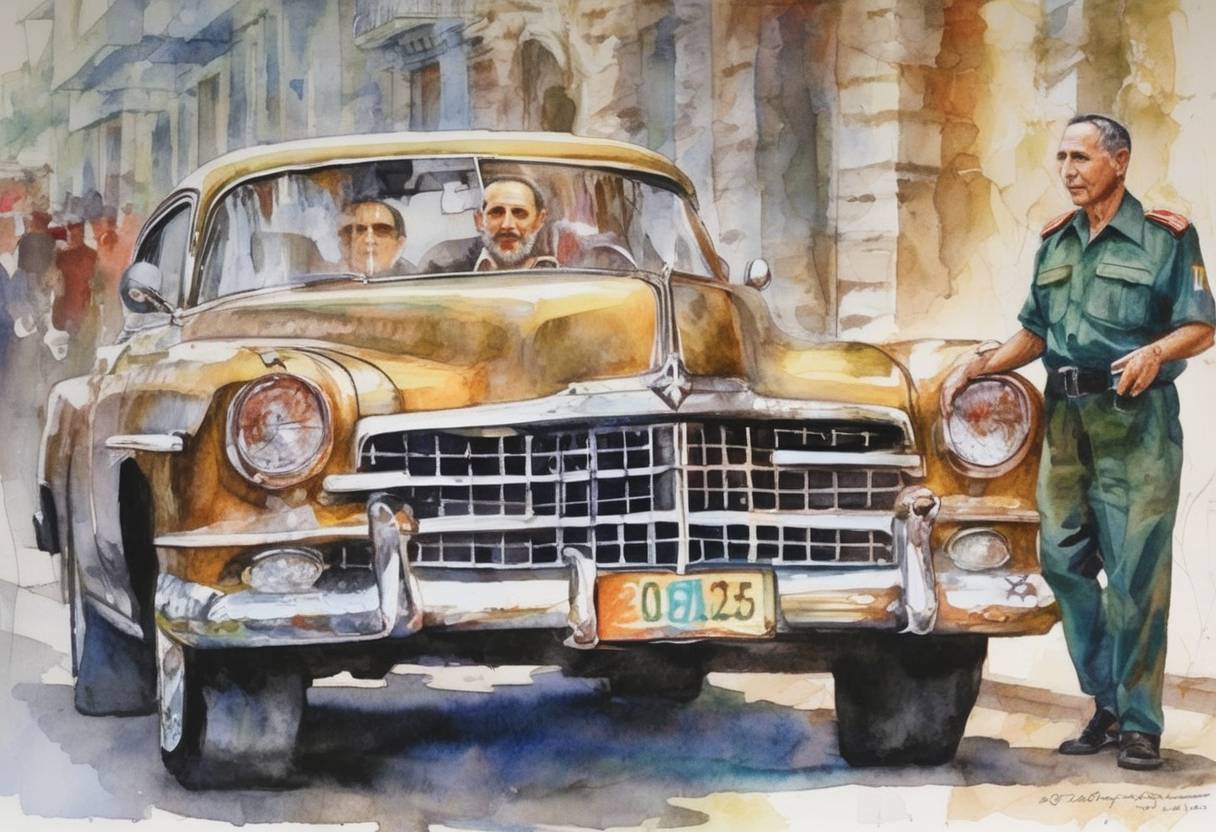
Fidel Castro retired as the President of Cuba, ending nearly 50 years of rule. His brother, Raúl Castro, was elected as the new President by the National Assembly.
2010
Ryukyu Islands, Japan
A 7.0 magnitude earthquake struck the Ryukyu Islands in Japan, causing a tsunami warning but resulting in no significant damage or casualties.
2014
Sochi, Russia
The Winter Olympics concluded in Sochi, Russia, with Russia leading the medal count with 33 medals, including 13 golds.
2022
Kyiv, Ukraine
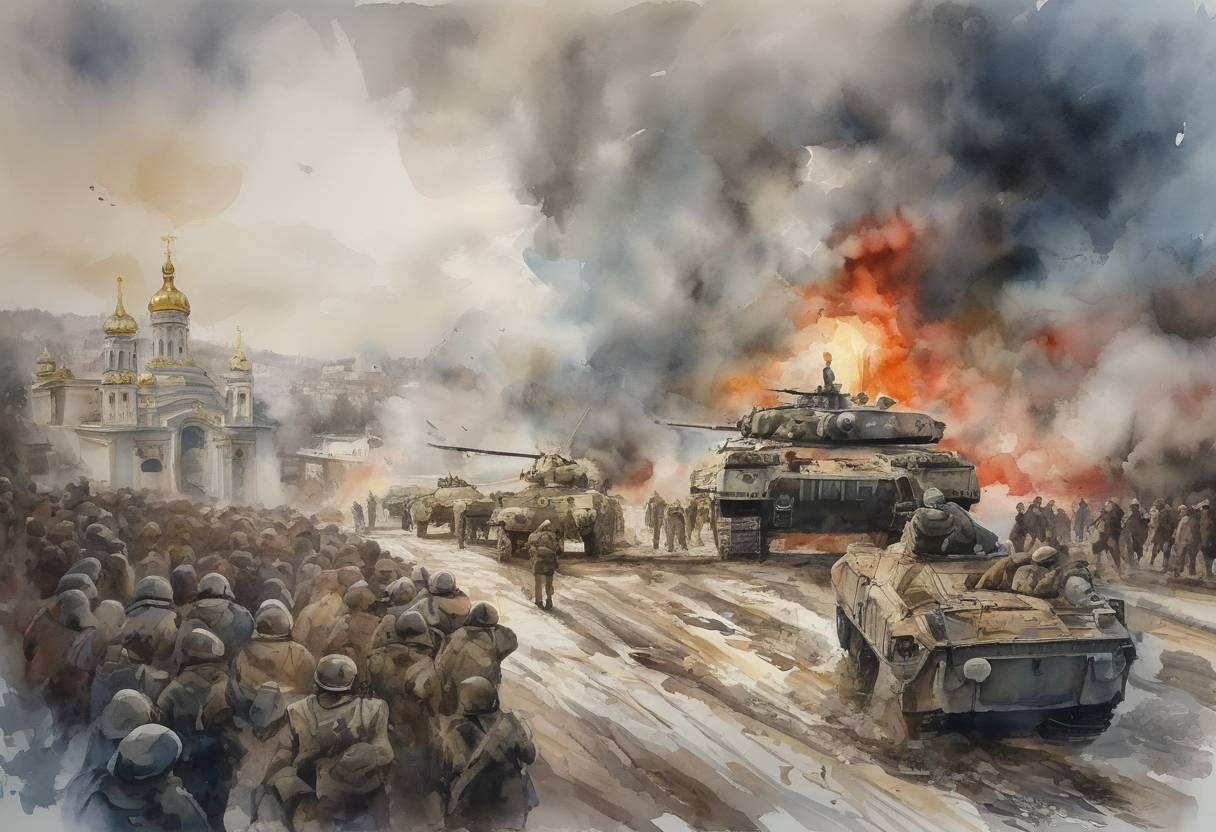
Russia launched a full-scale invasion of Ukraine, marking a significant escalation in the Russo-Ukrainian War. This event led to widespread international condemnation and sanctions against Russia.