The Singapore Summit: June 11-12, 2018
2018 · Singapore, Singapore
The Singapore Summit takes place, where U.S. President Donald Trump and North Korean leader Kim Jong-un meet for the first time.
June 12, 2018
The Singapore Summit took place, where U.S. President Donald Trump and North Korean leader Kim Jong-un met to discuss denuclearization of the Korean Peninsula.
Singapore, Singapore | United States, North Korea
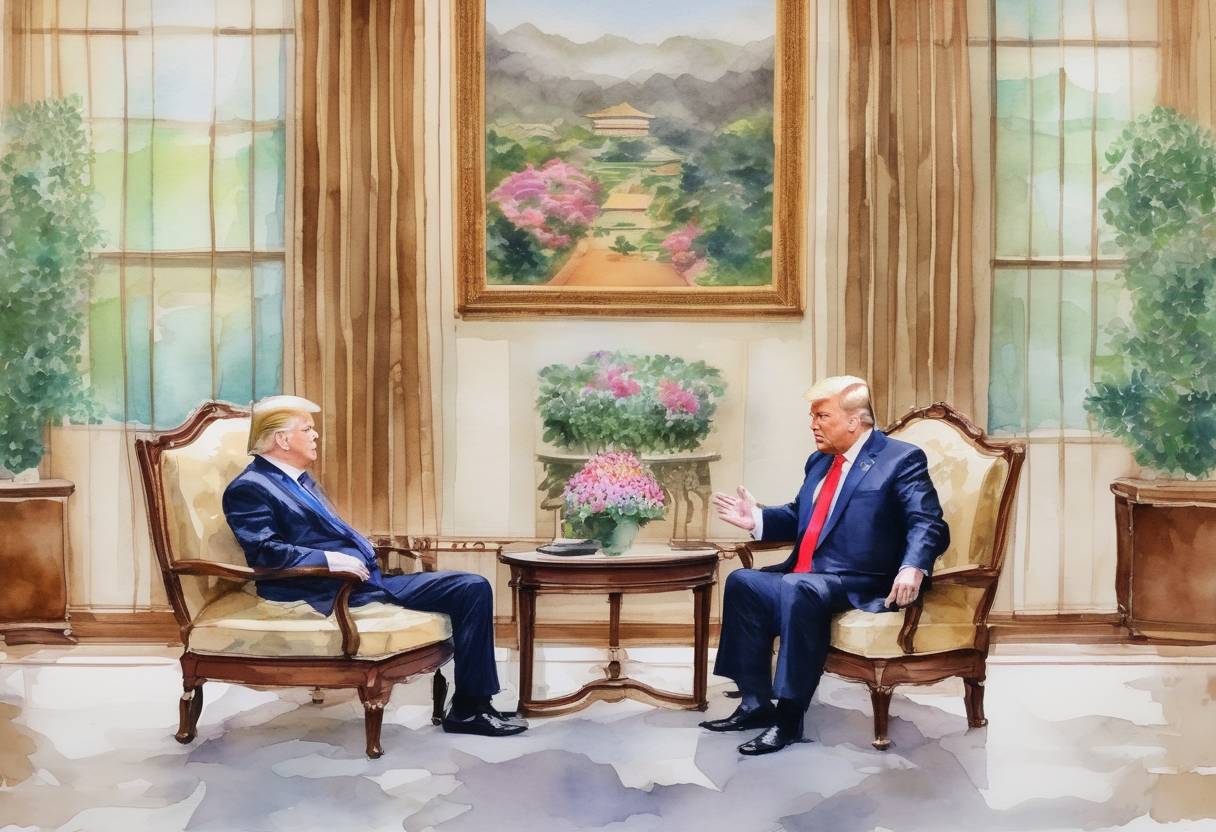
On June 12, 2018, a historic summit took place in Singapore between U.S. President Donald Trump and North Korean leader Kim Jong-un. This meeting marked the first time a sitting U.S. president met with a North Korean leader, aiming to address the longstanding tensions on the Korean Peninsula and discuss the potential denuclearization of North Korea.
The relationship between the United States and North Korea had been fraught with tension for decades, primarily due to North Korea’s nuclear weapons program. In the years leading up to the summit, North Korea had conducted several nuclear tests and missile launches, escalating global concerns. The rhetoric between the two nations had been particularly hostile, with threats exchanged between President Trump and Kim Jong-un.
However, in early 2018, diplomatic efforts began to thaw relations. South Korea played a crucial role in facilitating dialogue, with South Korean President Moon Jae-in meeting Kim Jong-un in April 2018. This meeting set the stage for the Singapore Summit, as both North Korea and the United States expressed a willingness to engage in direct talks.
The summit was held at the Capella Hotel on Sentosa Island in Singapore. The main objectives were to discuss the denuclearization of the Korean Peninsula and to establish a new relationship between the two countries. The key outcomes of the summit included:
Joint Statement: President Trump and Kim Jong-un signed a joint statement committing to the denuclearization of the Korean Peninsula. The statement outlined four main points:
Security Guarantees: The United States offered security guarantees to North Korea, although the specifics were not detailed in the joint statement.
Follow-up Negotiations: Both leaders agreed to continue negotiations to implement the outcomes of the summit, with U.S. Secretary of State Mike Pompeo leading the efforts on behalf of the United States.
The Singapore Summit was a significant diplomatic event, as it opened a channel of communication between two adversarial nations. However, the summit’s outcomes were met with mixed reactions. Critics argued that the joint statement lacked concrete details and timelines for denuclearization, while supporters viewed it as a positive step towards peace.
In the months following the summit, negotiations continued but faced challenges. Subsequent meetings, including a second summit in Hanoi in February 2019, did not yield substantial progress on denuclearization. Despite this, the Singapore Summit remains a pivotal moment in U.S.-North Korea relations, highlighting the complexities of diplomatic engagement with North Korea.
Overall, the Singapore Summit underscored the importance of diplomacy in addressing global security issues, even when tangible results are not immediately apparent.
Source: en.wikipedia.org