The Final Stages Before the Abolition of Slavery in Brazil
1888 · Rio de Janeiro, Brazil
Brazil was in the final stages of abolishing slavery, an effort culminating just a day after with the signing of the Lei Áurea (Golden Law) by Princess Isabel.
May 13, 1888
Brazil abolishes slavery with the signing of the Lei Áurea (Golden Law) by Princess Isabel.
Rio de Janeiro, Brazil | Brazilian government
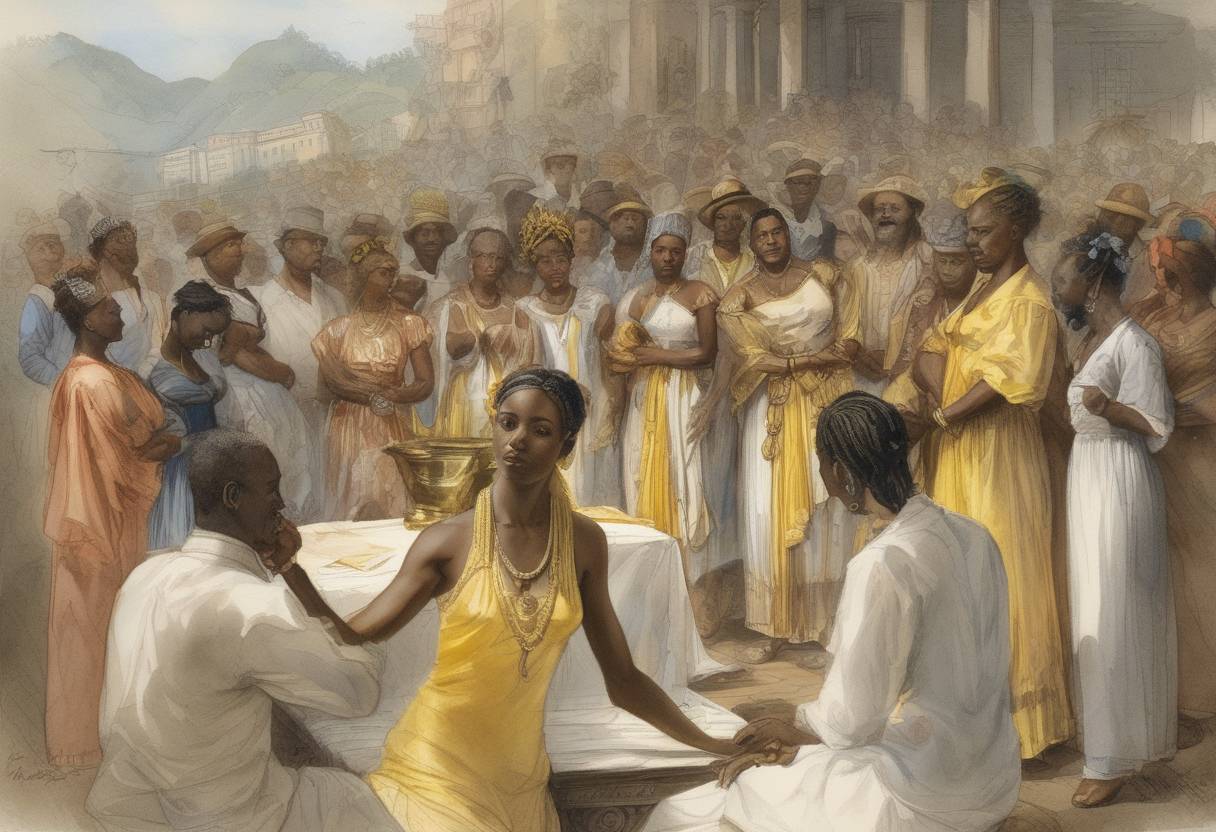
On May 13, 1888, Brazil took a monumental step in its history with the abolition of slavery through the signing of the Lei Áurea, or the “Golden Law.” This significant event marked the end of over three centuries of slavery in the country and was a pivotal moment in the broader abolitionist movement across the Americas.
Colonial Legacy: Slavery had been a cornerstone of Brazil’s economy since the early days of Portuguese colonization. Enslaved Africans were brought to work primarily on sugar plantations and later in coffee production, which became Brazil’s major export by the 19th century.
Abolitionist Movement: By the late 19th century, Brazil was the last country in the Americas to abolish slavery. The abolitionist movement gained momentum in the 1870s and 1880s, driven by both internal and external pressures. Intellectuals, former slaves, and free blacks played crucial roles in advocating for abolition.
Preceding Legislation: Before the Lei Áurea, Brazil had already taken steps towards emancipation. The Law of Free Birth (1871) declared that children born to enslaved mothers were free, and the Sexagenarian Law (1885) freed slaves over the age of 60. However, these laws had limited impact on the overall institution of slavery.
Princess Isabel: The Lei Áurea was signed by Princess Isabel, the daughter of Emperor Dom Pedro II, who was acting as regent while her father was in Europe. Her role in signing the law earned her a prominent place in Brazilian history.
The Law: The Lei Áurea was remarkably concise, consisting of just two articles. It declared the immediate abolition of slavery without compensation to slave owners, a decision that was both radical and controversial at the time.
Social Impact: The abolition of slavery freed approximately 700,000 enslaved individuals. However, the newly freed population faced significant challenges, including lack of access to land, education, and employment opportunities, which perpetuated socio-economic disparities.
Political Repercussions: The abolition of slavery contributed to the weakening of the monarchy, as many of the empire’s supporters were slave owners who felt betrayed by the lack of compensation. This discontent played a role in the eventual fall of the Brazilian Empire and the establishment of the Republic in 1889.
Legacy: The abolition of slavery in Brazil is celebrated annually on May 13th, known as “Abolition Day.” The Lei Áurea remains a symbol of freedom and a reminder of the ongoing struggle for racial equality and justice in Brazil.
The signing of the Lei Áurea was a landmark event not only for Brazil but also in the context of global abolitionist movements. It underscored the universal human rights struggle and highlighted the complex legacies of colonialism and slavery that continue to influence societies worldwide.
Source: www.britannica.com