Amelia Earhart's Historic Solo Transatlantic Flight
1932 · Newfoundland, Canada
Amelia Earhart took off from Newfoundland, Canada, on her solo flight across the Atlantic Ocean, becoming the first woman to achieve this feat.
June 18, 1928
Amelia Earhart became the first woman to fly across the Atlantic Ocean as a passenger on the Fokker F.VII Friendship, piloted by Wilmer Stultz and Louis Gordon. This achievement helped to pave the way for her later solo transatlantic flight in 1932.
Burry Port, United Kingdom | Fokker Aircraft
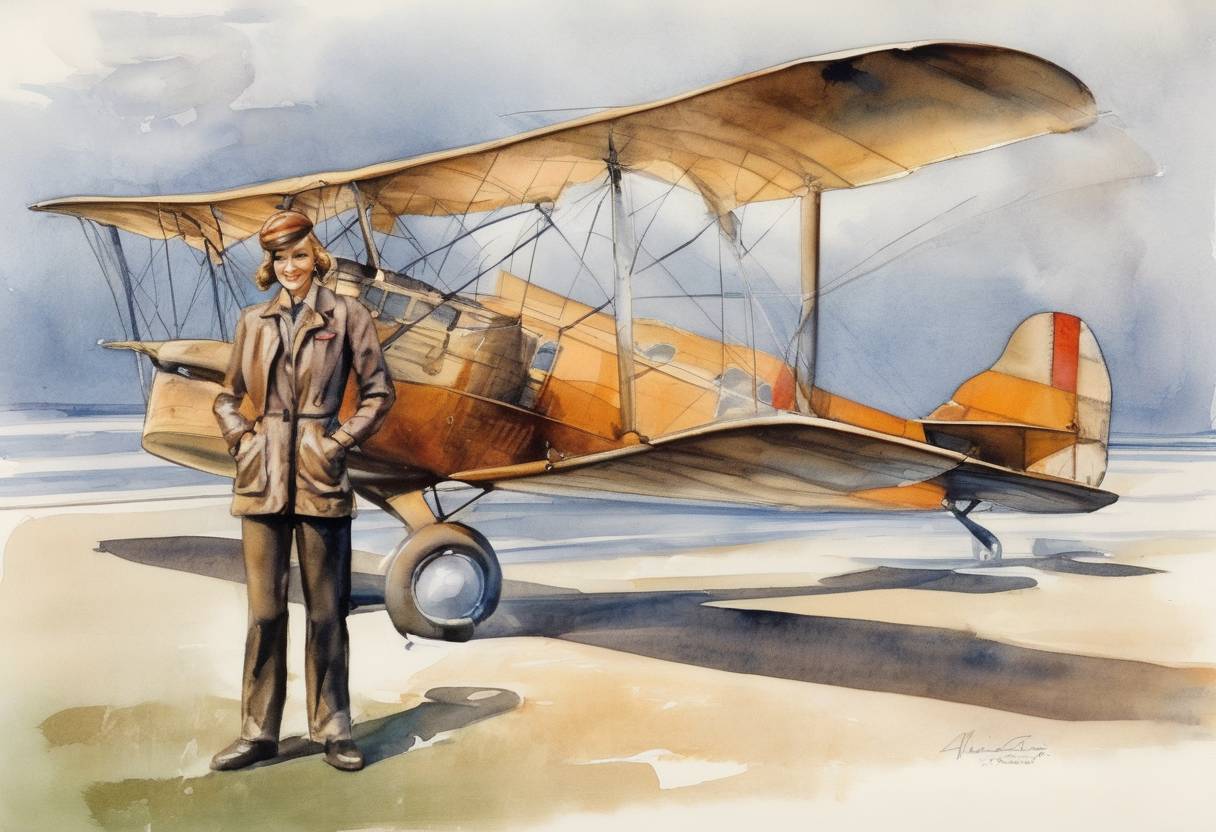
On June 18, 1928, Amelia Earhart made history by becoming the first woman to fly across the Atlantic Ocean as a passenger. This significant event took place aboard the Fokker F.VII aircraft named “Friendship,” piloted by Wilmer Stultz and co-piloted by Louis Gordon. This achievement marked a pivotal moment in aviation history and set the stage for Earhart’s later accomplishments.
Aviation in the 1920s: The 1920s were a transformative period for aviation, with numerous advancements in aircraft technology and a growing public fascination with flight. Charles Lindbergh’s solo transatlantic flight in 1927 had captured the world’s imagination and inspired further exploration of long-distance air travel.
Amelia Earhart: Born in 1897 in Atchison, Kansas, Earhart developed a passion for aviation at a young age. By the late 1920s, she was already a licensed pilot and had gained some recognition in the aviation community.
The Aircraft: The Fokker F.VII “Friendship” was a tri-motor monoplane, known for its reliability and capacity to carry multiple passengers over long distances. It was chosen for its ability to handle the challenging conditions of transatlantic flight.
The Journey: The flight departed from Trepassey Harbor, Newfoundland, on June 17, 1928, and landed in Burry Port, Wales, on June 18, 1928. The journey covered approximately 2,000 miles and took about 20 hours and 40 minutes.
Role of Earhart: Although Earhart was a passenger on this flight, her involvement was significant. She served as a log keeper and was instrumental in promoting the flight, which garnered substantial media attention.
Public Recognition: Upon her return to the United States, Earhart was celebrated as a pioneering figure in aviation. She was honored with a ticker-tape parade in New York City and received widespread acclaim.
Impact on Women’s Aviation: Earhart’s successful crossing of the Atlantic as a passenger challenged prevailing gender norms and inspired women worldwide to pursue careers in aviation and other male-dominated fields.
Path to Solo Flight: This flight laid the groundwork for Earhart’s solo transatlantic flight in 1932, where she became the first woman to fly solo across the Atlantic, further cementing her legacy as a trailblazer in aviation.
Amelia Earhart’s participation in the 1928 transatlantic flight was more than just a milestone for women in aviation; it was a testament to her determination and vision, which continued to inspire generations of aviators and adventurers.
Source: www.ameliaearhart.com