Sri Lankan Government Declares Victory Over LTTE: May 17, 2009
2009 · Colombo, Sri Lanka
Sri Lankan government declared victory over the Liberation Tigers of Tamil Eelam (LTTE), ending a 26-year civil war.
May 7, 2009
The Currency Act was passed by the Parliament of Sri Lanka, establishing the use of the Sri Lankan rupee.
Colombo, Sri Lanka | Parliament of Sri Lanka
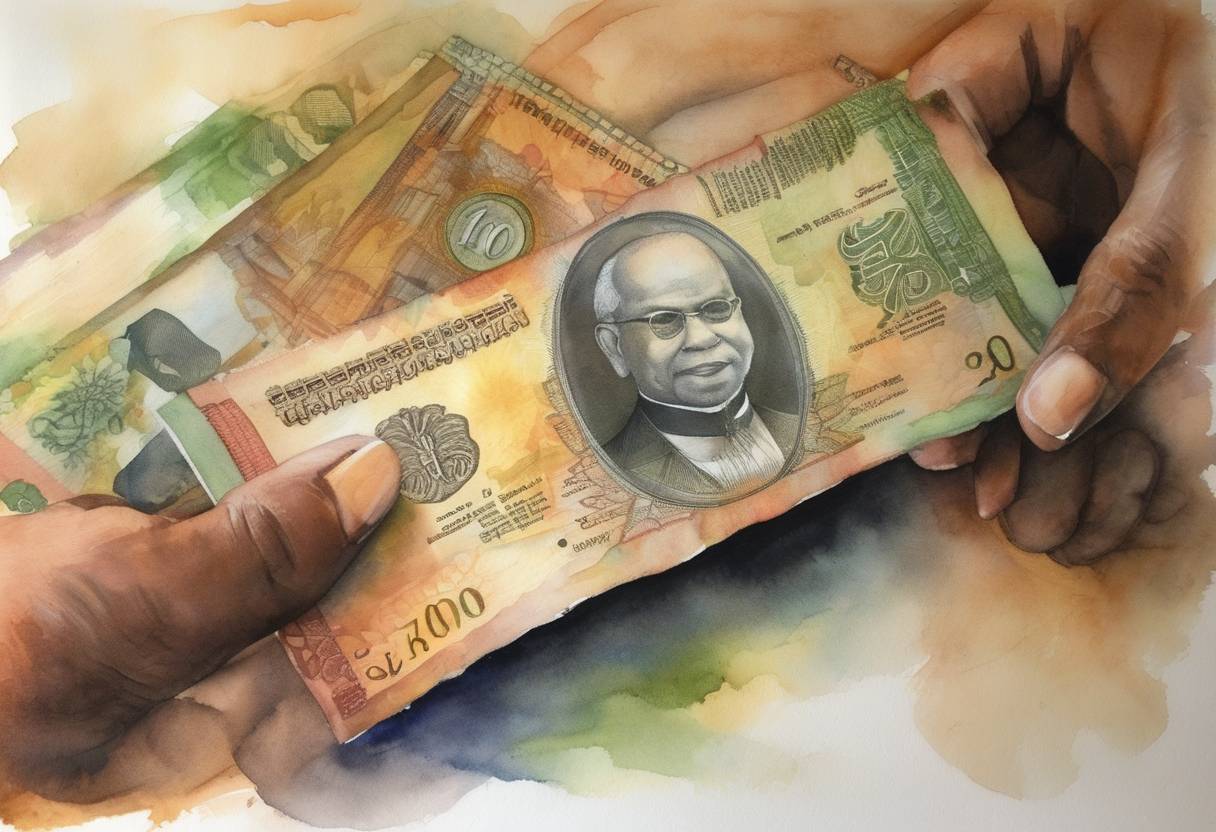
On May 7, 2009, the Parliament of Sri Lanka passed significant legislation known as The Currency Act, which officially established the Sri Lankan rupee as the national currency. This law was a pivotal moment in the country’s economic and financial history, solidifying its monetary system and further embedding the rupee’s usage in day-to-day transactions.
Before the enforcement of The Currency Act, the Sri Lankan rupee had already been in use, replacing the Ceylon rupee in 1960 when Sri Lanka, then Ceylon, sought a more tailored currency system post-independence from British colonial rule in 1948. The introduction of the Sri Lankan rupee marked an effort to assert national identity and economic independence.
The Currency Act of 2009 was aimed at standardizing and regulating the issuance of the Sri Lankan rupee. This piece of legislation included measures to streamline currency policy, ensure stable management of currency issuance, and strengthen regulatory frameworks governing monetary circulation.
Passing The Currency Act played a critical role in stabilizing the country’s monetary policy. It bolstered confidence in the national currency at a time when the country was nearing the end of a protracted civil conflict. The legislation provided a framework for more effective financial governance and currency management, essential for economic recovery and stability.
The enactment of this legislation allowed the Central Bank of Sri Lanka to have more precise control over monetary policy. It impacted various economic sectors by reducing uncertainty and promoting consistent economic growth. In the years that followed, the focus shifted to leveraging fiscal policy to boost further development and ensure that the national economy aligned with global financial standards.
The Currency Act stands as a testament to Sri Lanka’s efforts to reclaim and reinforce its economic sovereignty in the modern financial era.
Source: www.cbsl.gov.lk