1984 · Washington, D.C., United States
The United States and Vatican City establish full diplomatic relations.
July 4, 1803
The Louisiana Purchase was announced to the American people.
Washington, D.C., United States | United States Government
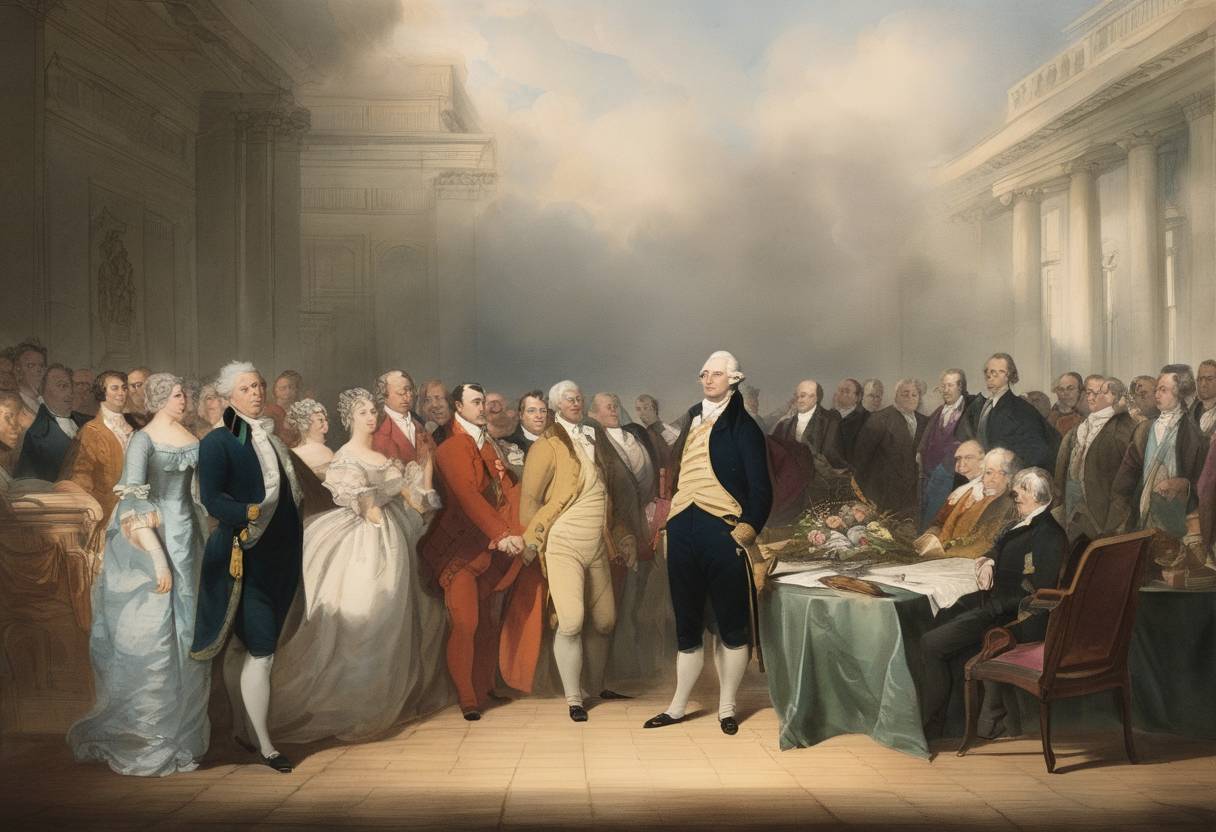
On July 4, 1803, United States President Thomas Jefferson announced the acquisition of the Louisiana Territory to the American people. This monumental event, known as The Louisiana Purchase, effectively doubled the size of the United States, adding approximately 828,000 square miles of territory at a cost of about $15 million.
Prior to the purchase, the vast region of Louisiana was under Spanish control until it was retroceded to France in 1800 via the secret Treaty of San Ildefonso. However, France, under the leadership of Napoleon Bonaparte, faced financial difficulties and geopolitical challenges that made the maintenance of the territory cumbersome.
Negotiations for the purchase began when tensions rose over American access to the port of New Orleans, a critical point for trade and commerce in the Mississippi River region. President Jefferson was initially interested in merely securing access to New Orleans, but French negotiations led by Foreign Minister Talleyrand offered to sell the entire Louisiana Territory.
The announcement on July 4th, a day of national significance due to American Independence Day, added symbolic weight to the acquisition as a new chapter in the young nation’s history, expanding its reach and influence.
Source: www.history.com