The Surrender of Messina: December 11, 1282
1282 · Messina, Italy
The Sicilian city of Messina surrenders to the forces of Charles of Anjou, marking a significant moment in the War of the Sicilian Vespers.
April 15, 1282
The Sicilian Vespers rebellion concludes with the expulsion of Charles of Anjou's forces from Sicily, leading to the establishment of the Kingdom of Sicily under Peter III of Aragon.
Palermo, Italy | n/a
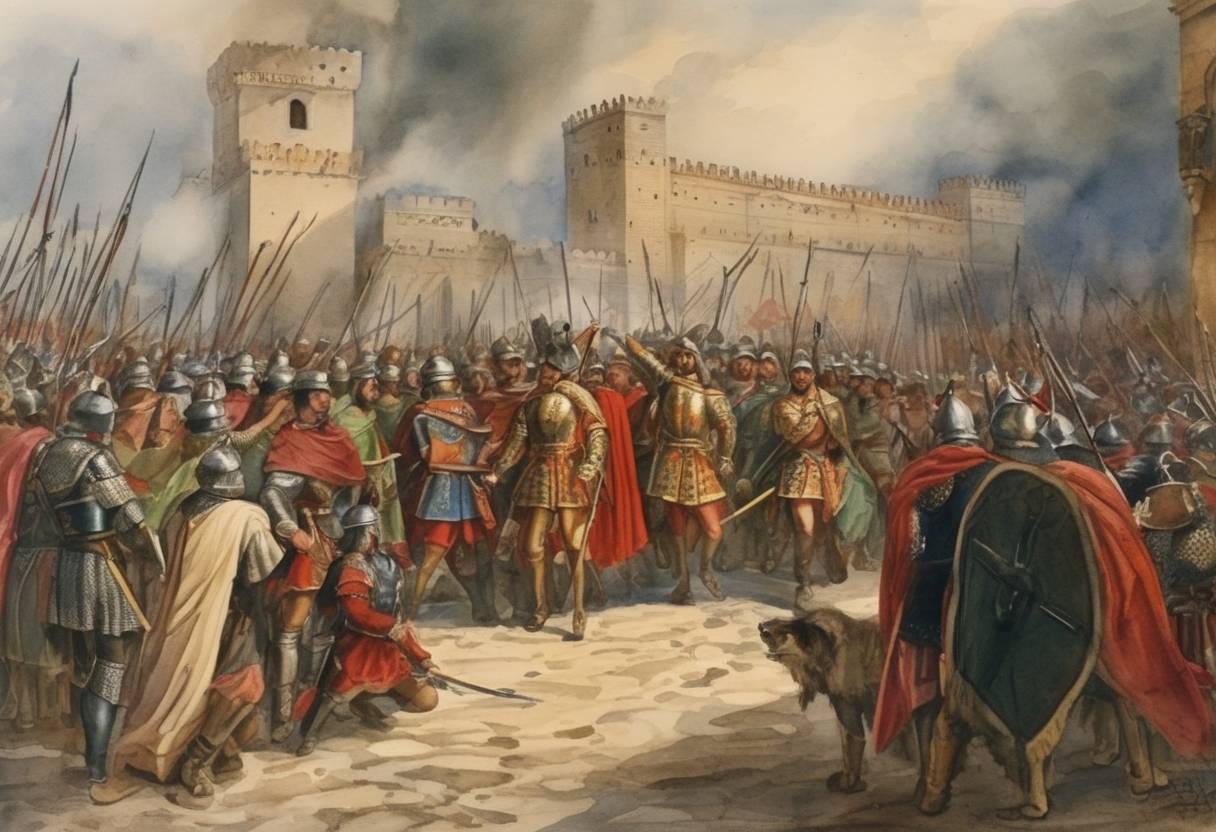
The Sicilian Vespers rebellion, a significant insurrection against Charles of Anjou’s rule, reached a pivotal moment on April 15, 1282, with the expulsion of his forces from Sicily. This uprising was a critical event in the history of the Mediterranean that reshaped power dynamics in the region.
The origins of the Sicilian Vespers can be traced back to widespread dissatisfaction with the oppressive rule of Charles of Anjou, who had been installed as King of Sicily following the defeat of the Hohenstaufen dynasty. Among the grievances were heavy taxation, the mistreatment of locals, and the general arrogance of the Angevin administration. The resentment simmered until it erupted into open revolt on March 30, 1282, when a violent uprising occurred during vespers, the evening prayer service, in Palermo.
The rebellion rapidly spread throughout the island as Sicilians seized the opportunity to resist Angevin control. The insurrection was marked by fierce guerrilla warfare and public support from a populace eager to rid themselves of foreign domination. Charles’s forces attempted to quell the rebellion, but they struggled against the determined and organized resistance.
The call for support led to the intervention of Peter III of Aragon, who claimed the Sicilian crown through his marriage to Constance, the daughter of the deceased Hohenstaufen ruler, Manfred of Sicily. On April 15, 1282, Peter’s forces successfully expelled the Angevin troops, and the island declared allegiance to him, effectively establishing the Kingdom of Sicily under Aragonese control.
The successful conclusion of the Sicilian Vespers not only marked the end of Angevin rule in Sicily but also ignited the War of the Sicilian Vespers between the Aragonese and the Angevins. The conflict extended beyond Sicily, impacting political alliances and rivalries across Europe. It underscored the island’s strategic importance and its role as a pivotal chess piece in the Mediterranean power struggles.
The repercussions of the rebellion and subsequent war eventually shaped the political landscape of Southern Europe, reinforcing Aragon’s influence in the region and underscoring the enduring legacy of local resistance movements in altering the course of history.
Source: en.wikipedia.org