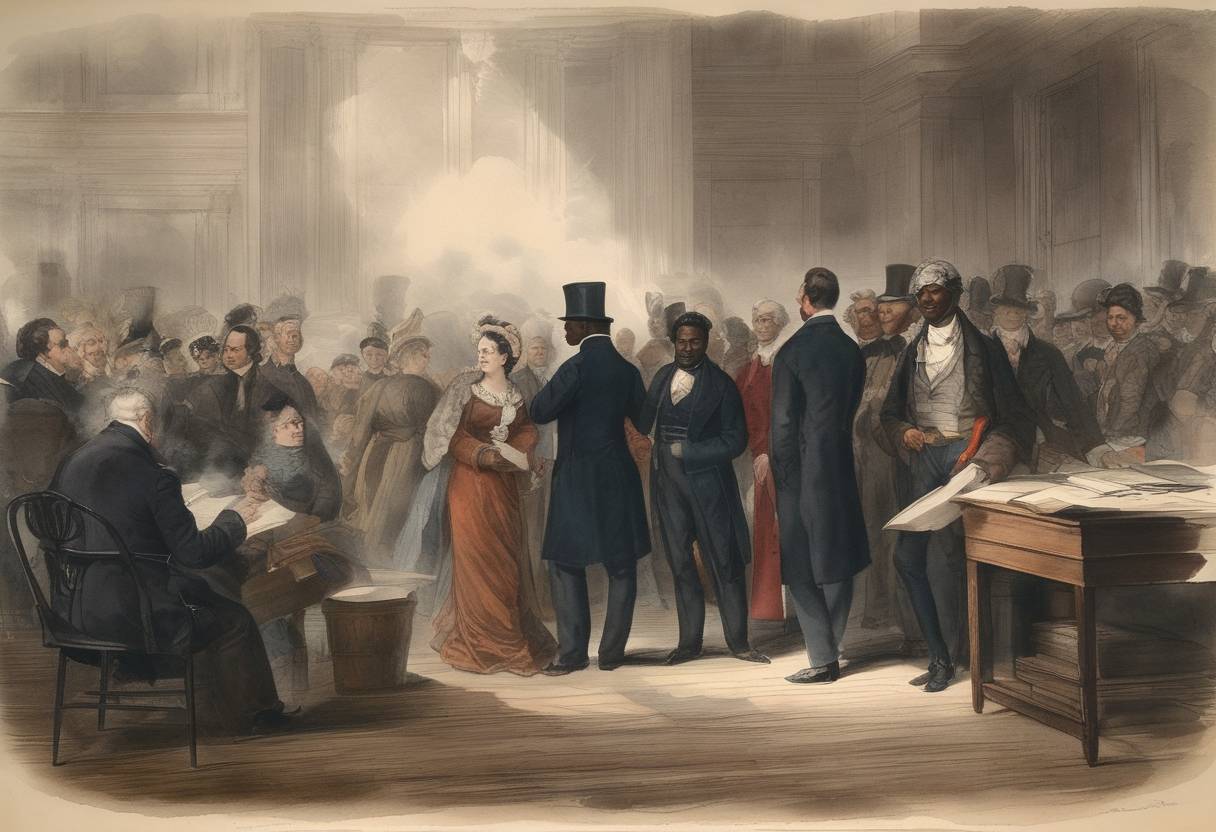
The Abolition of Slavery Act Receives Royal Assent - July 26, 1833
On July 26, 1833, the Abolition of Slavery Act was given Royal Assent, marking a pivotal moment in the history of the British Empire. This legislation laid the legislative groundwork for the formal abolition of slavery within most of the British territories, signaling the beginning of a significant societal transformation.
Background
The abolitionist movement in Britain had gained significant momentum throughout the late 18th and early 19th centuries. A combination of moral, economic, and political factors fueled public opposition to the institution of slavery. Key figures, such as William Wilberforce and Thomas Clarkson, along with organizations like the Anti-Slavery Society, were instrumental in rallying support and influencing public opinion against slavery.
Key Provisions of the Act
Although the Abolition of Slavery Act enacted a legal end to slavery, it did not result in the immediate emancipation of all enslaved individuals. Key aspects of the legislation included:
Apprenticeship System: The law stipulated a transitional period commonly referred to as the “apprenticeship” system. Enslaved individuals, particularly those working in the field and domestic sector, were required to continue laboring for their former owners under a system of paid apprenticeship. This period was designed to last for up to six years, ostensibly to aid the transition from slavery to freedom.
Compensation to Slave Owners: The act allocated a significant sum of £20 million (equivalent to billions in today’s currency), to be distributed among the owners of enslaved individuals as compensation for the loss of their “property.”
Immediate Freedom for Some: Children under the age of six were immediately granted their freedom without undergoing the apprenticeship phase, reflecting a partial immediate impact of the legislation.
Consequences and Aftermath
Economic Shifts: The introduction of the apprenticeship system was designed to ease economic transitions, but it was met with criticism and resistance. Many newly freed individuals faced challenges integrating into a free labor market that was still heavily skewed in favor of former slave owners.
Abolition of Apprenticeship: Due to public pressure and the ineffectiveness of the apprenticeship system, this interim arrangement was prematurely terminated across the Caribbean in 1838, ensuring full emancipation of all enslaved people.
Broader Impact: The act set a precedent and galvanized abolitionist movements worldwide. The successful passing of the law catalyzed further global efforts towards ending slavery and was an important step in the ongoing struggle for racial equality and human rights.
In summary, the Royal Assent of the Abolition of Slavery Act on July 26, 1833, was a monumental move towards the eradication of slavery, laying the groundwork for progressive changes throughout the British Empire. Despite its initial limitations and the requirement for a transitional apprenticeship period, the act was a critical milestone in advancing human rights and justice.