The Civil Partnership Act Comes into Force in the United Kingdom
2005 · London, United Kingdom
The Civil Partnership Act came into force in the United Kingdom, granting same-sex couples legal recognition for the first time.
March 29, 2014
Same-sex marriage became legal in England and Wales as the first marriages were conducted under the Marriage (Same Sex Couples) Act 2013.
London, United Kingdom | UK Government
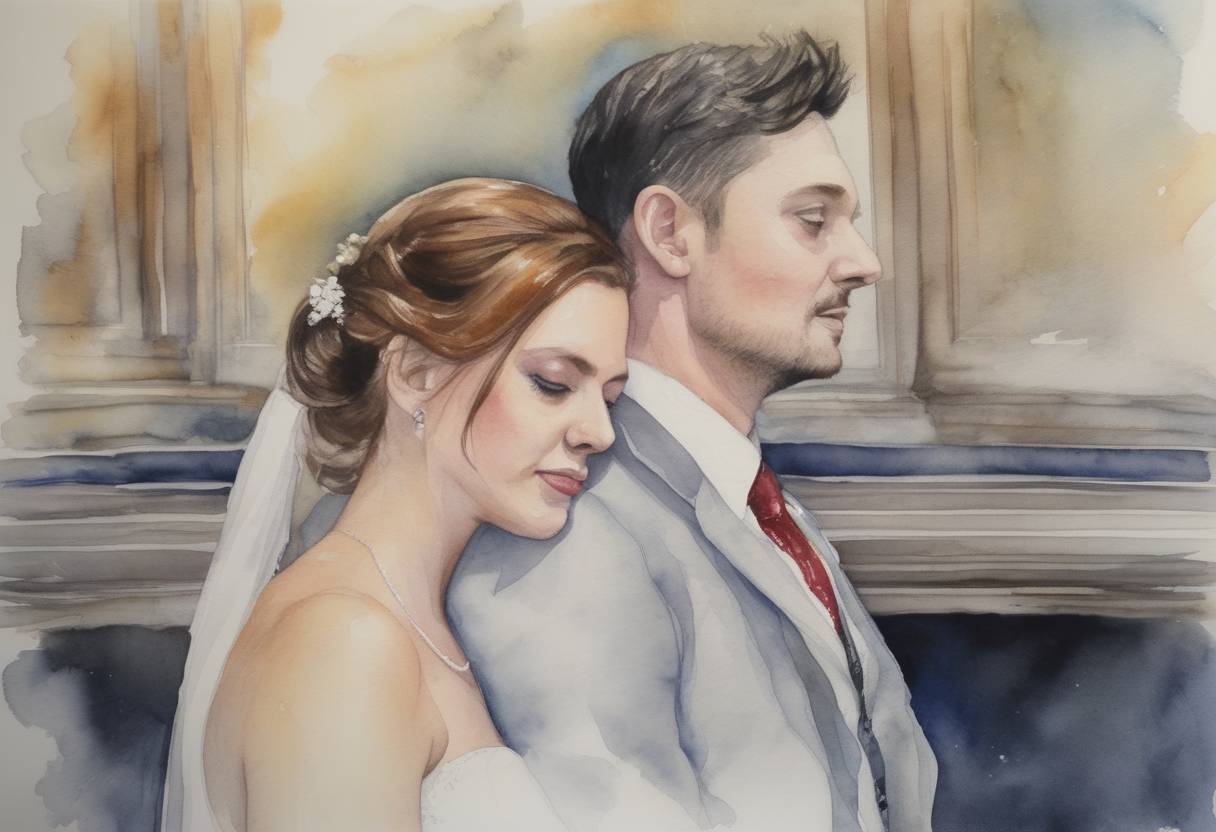
On March 29, 2014, a significant milestone in the history of LGBTQ+ rights in England and Wales was achieved as same-sex marriage became legal, and the first marriages were conducted under the Marriage (Same Sex Couples) Act 2013.
The journey toward marriage equality in England and Wales involved a combination of political advocacy, public campaigning, and legislative processes. The Marriage (Same Sex Couples) Act 2013 was introduced to the UK Parliament and sought to provide legal recognition to marriages between same-sex couples, previously limited to civil partnerships in the region.
The Act was a result of years of advocacy by LGBTQ+ activists and allies who argued for equal rights and recognition under the law. Public opinion had been shifting towards greater acceptance of same-sex marriage, which bolstered the legislative efforts.
The Marriage (Same Sex Couples) Act 2013 began its passage through Parliament with an announcement by Prime Minister David Cameron and his government in 2012. The bill faced vigorous debate and scrutiny, with discussions centered on religious freedoms, legal definitions of marriage, and individual rights.
Despite opposition from some quarters, the bill received its Royal Assent on July 17, 2013, becoming law. It was slated to come into effect on March 29, 2014, allowing same-sex couples the opportunity to marry.
At the stroke of midnight on March 29, 2014, same-sex couples across England and Wales celebrated the ability to legally marry. The occasion was marked by joy and festivities, with numerous couples exchanging vows in ceremonies and a celebratory atmosphere prevailing.
Among the first to marry were Peter McGraith and David Cabreza, who wed at Islington Town Hall in London. Their marriage, along with many others conducted that day, symbolized the fruition of a long struggle for equality.
The legalization of same-sex marriage in England and Wales was a landmark development in the broader global movement for LGBTQ+ rights. It reflected changing societal attitudes and increased recognition of equality in legal protections for same-sex couples.
The Act not only provided a legal platform for marriage but also reinforced the principles of equal treatment and non-discrimination on the basis of sexual orientation. It spurred discussions about further legal reforms and inspired similar movements in other countries.
The historic day on March 29, 2014, thus marked a significant step towards equality, celebrated by many as a progressive advancement for human rights in England and Wales.
Source: en.wikipedia.org