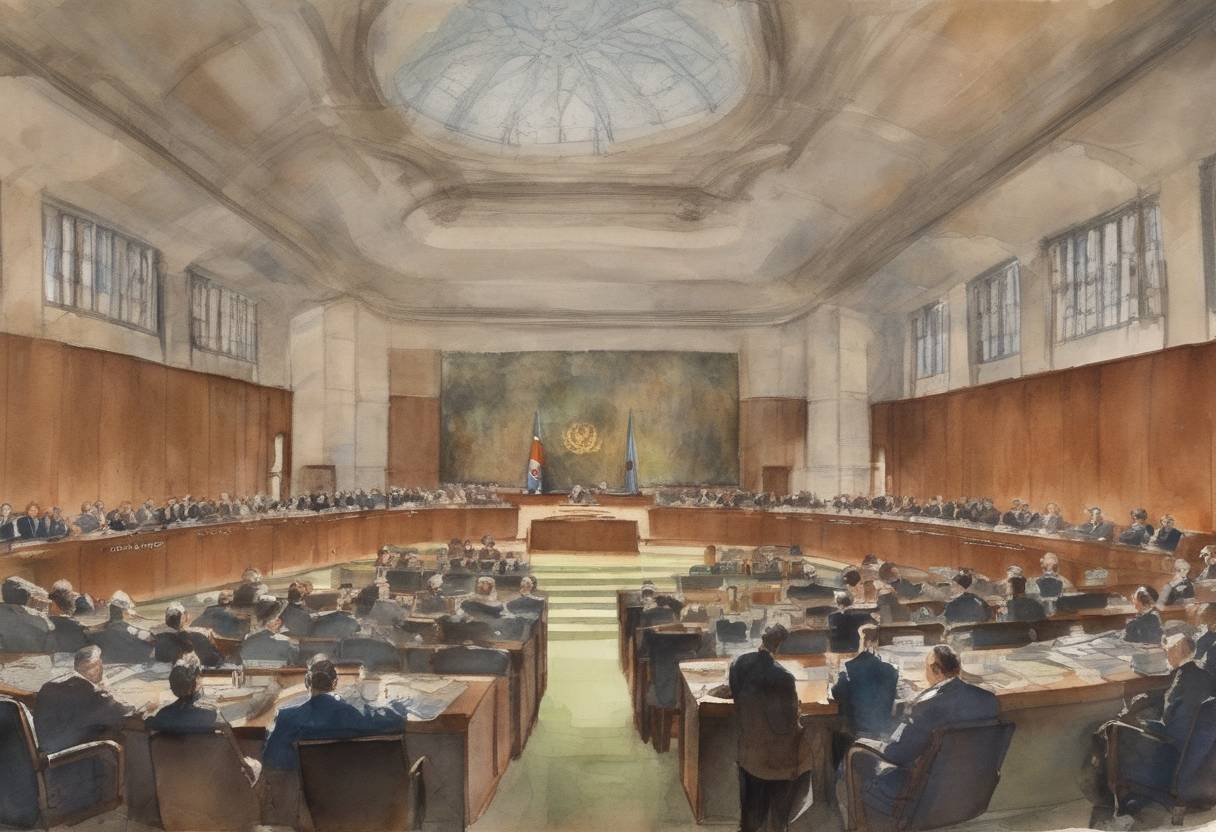
The First Session of the United Nations Security Council
Date: January 17, 1946
Location: Church House, Westminster, London
The inaugural session of the United Nations Security Council (UNSC) marked a significant moment in international diplomacy and post-World War II global governance. Held on January 17, 1946, at Church House in Westminster, London, this meeting was a foundational step in the operationalization of the United Nations, which had been officially established just months earlier, on October 24, 1945.
Context and Background
Formation of the United Nations: The United Nations was created in the aftermath of World War II, with the primary aim of preventing future conflicts and fostering international cooperation. The UN Charter was signed on June 26, 1945, in San Francisco, and came into force on October 24, 1945.
Purpose of the Security Council: The UNSC was designed to be the UN’s primary body responsible for maintaining international peace and security. It was endowed with the authority to make binding decisions that member states are obligated to implement, including the imposition of sanctions and the authorization of military action.
Key Features of the First Session
Participants: The Security Council initially consisted of 11 members: five permanent members (the United States, the Soviet Union, the United Kingdom, France, and China) and six non-permanent members elected by the General Assembly for two-year terms.
Agenda: The first session focused on procedural matters, including the adoption of rules of procedure and the election of the first President of the Security Council. The Council also began discussions on issues related to international peace and security, setting the stage for its future work.
Significance of the Venue: Church House in Westminster was chosen as the venue due to its historical significance and its capacity to host international gatherings. The choice of London underscored the United Kingdom’s role as a founding member and host of the first session.
Broader Historical Significance
Cold War Context: The first session of the UNSC took place at the dawn of the Cold War, a period characterized by geopolitical tension between the Soviet Union and the Western powers. This context would heavily influence the Council’s operations and decisions in the ensuing decades.
Legacy and Impact: The UNSC has played a crucial role in addressing international conflicts and crises. Its decisions have shaped global responses to issues ranging from the Korean War to the Gulf War, and more recently, conflicts in the Middle East and Africa.
Challenges and Criticisms: Over the years, the Security Council has faced criticism for its structure, particularly the veto power held by the five permanent members, which has sometimes led to deadlock in decision-making.
The first session of the United Nations Security Council was a pivotal event in the establishment of a new international order aimed at promoting peace and cooperation. It laid the groundwork for the Council’s ongoing efforts to address global security challenges.