East Timor's Independence: May 20, 2002
2002 · Dili, East Timor
East Timor becomes the first new sovereign state of the 21st century, regaining independence from Indonesia.
March 21, 1990
Namibia gained independence from South Africa, marking the end of a long struggle for freedom and the beginning of a new chapter as a sovereign nation.
Windhoek, Namibia | United Nations
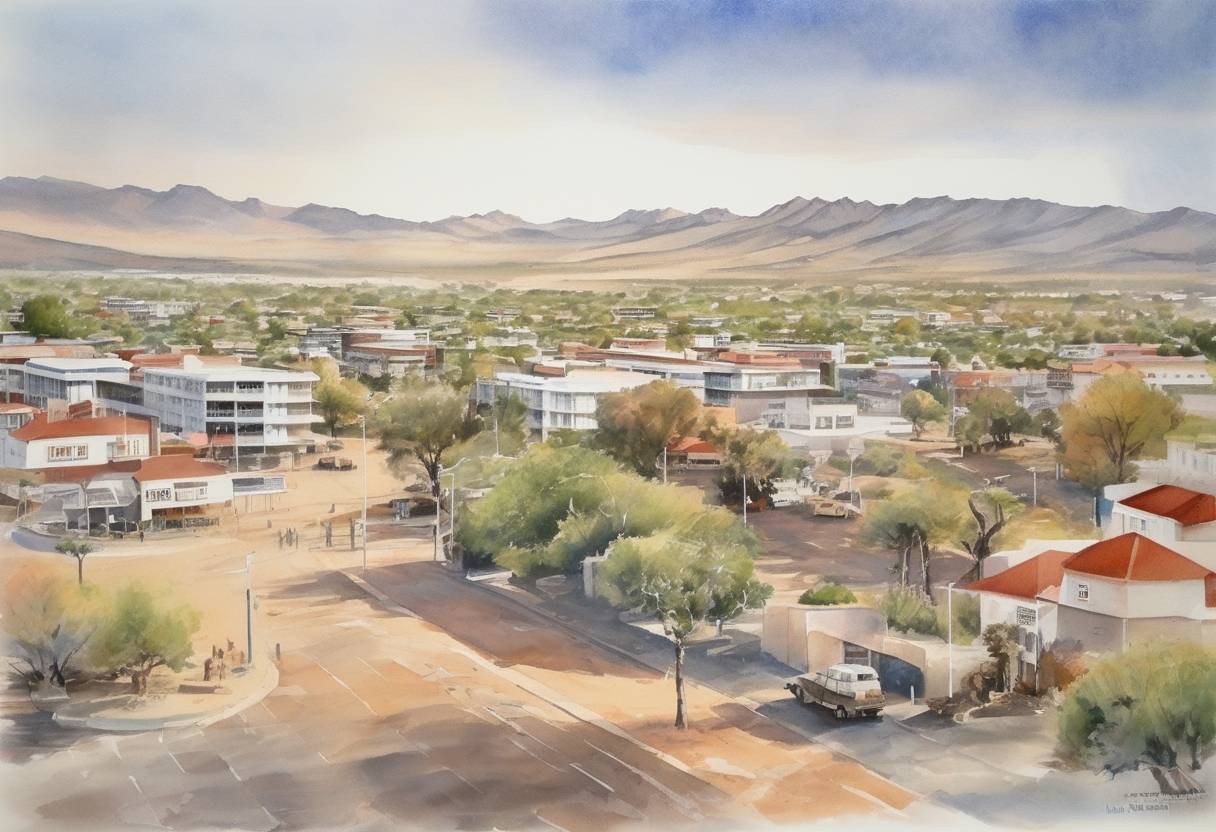
On March 21, 1990, Namibia officially gained independence from South Africa, marking the end of a prolonged struggle for freedom and the beginning of a new chapter as a sovereign nation. This historic event was the culmination of decades of resistance against colonial rule and apartheid policies.
Colonial Rule: Namibia, formerly known as South West Africa, was colonized by Germany in the late 19th century. Following Germany’s defeat in World War I, the League of Nations mandated the territory to South Africa in 1920.
Apartheid Policies: Under South African administration, Namibia was subjected to apartheid laws, which enforced racial segregation and discrimination against the indigenous population.
Struggle for Independence: The fight for Namibian independence was spearheaded by the South West Africa People’s Organization (SWAPO), founded in 1960. SWAPO engaged in both diplomatic efforts and armed struggle to achieve self-determination.
UN Involvement: The United Nations played a significant role in Namibia’s path to independence. In 1966, the UN General Assembly revoked South Africa’s mandate over Namibia, declaring it a direct responsibility of the UN.
International Pressure: Throughout the 1970s and 1980s, international pressure mounted against South Africa to relinquish control over Namibia. The UN Security Council passed Resolution 435 in 1978, outlining a plan for Namibia’s transition to independence.
Peace Negotiations: In the late 1980s, negotiations intensified, leading to a ceasefire between SWAPO and South African forces. The implementation of Resolution 435 was finally agreed upon, paving the way for free elections.
Elections: In November 1989, Namibia held its first democratic elections under UN supervision. SWAPO won a majority, and its leader, Sam Nujoma, became the country’s first president.
Independence Day: On March 21, 1990, Namibia was officially declared independent. The ceremony was attended by numerous international dignitaries, including then-South African President F.W. de Klerk and UN Secretary-General Javier Pérez de Cuéllar.
Post-Independence: Namibia’s independence marked a significant step towards decolonization in Africa. The country embarked on building a democratic society, focusing on national reconciliation and economic development.
Namibia’s independence was a pivotal moment in the global struggle against colonialism and apartheid. It demonstrated the effectiveness of international solidarity and diplomacy in resolving conflicts. The peaceful transition set a precedent for future negotiations in the region, contributing to the eventual end of apartheid in South Africa.
Namibia’s journey to independence remains a testament to the resilience and determination of its people, serving as an inspiring example of the power of collective action in the pursuit of freedom and justice.
Source: en.wikipedia.org