Twin Blasts Near Kabul's Hamid Karzai International Airport - August 27, 2021
2021 · Kabul, Afghanistan
Twin blasts near Kabul's Hamid Karzai International Airport killed dozens, including U.S. service members and Afghan civilians.
May 30, 2017
A massive truck bomb detonated in the diplomatic quarter of Kabul, Afghanistan, killing at least 90 people and injuring more than 400. The explosion caused widespread destruction and was one of the deadliest terrorist attacks in the city's history.
Kabul, Afghanistan | unknown perpetrator
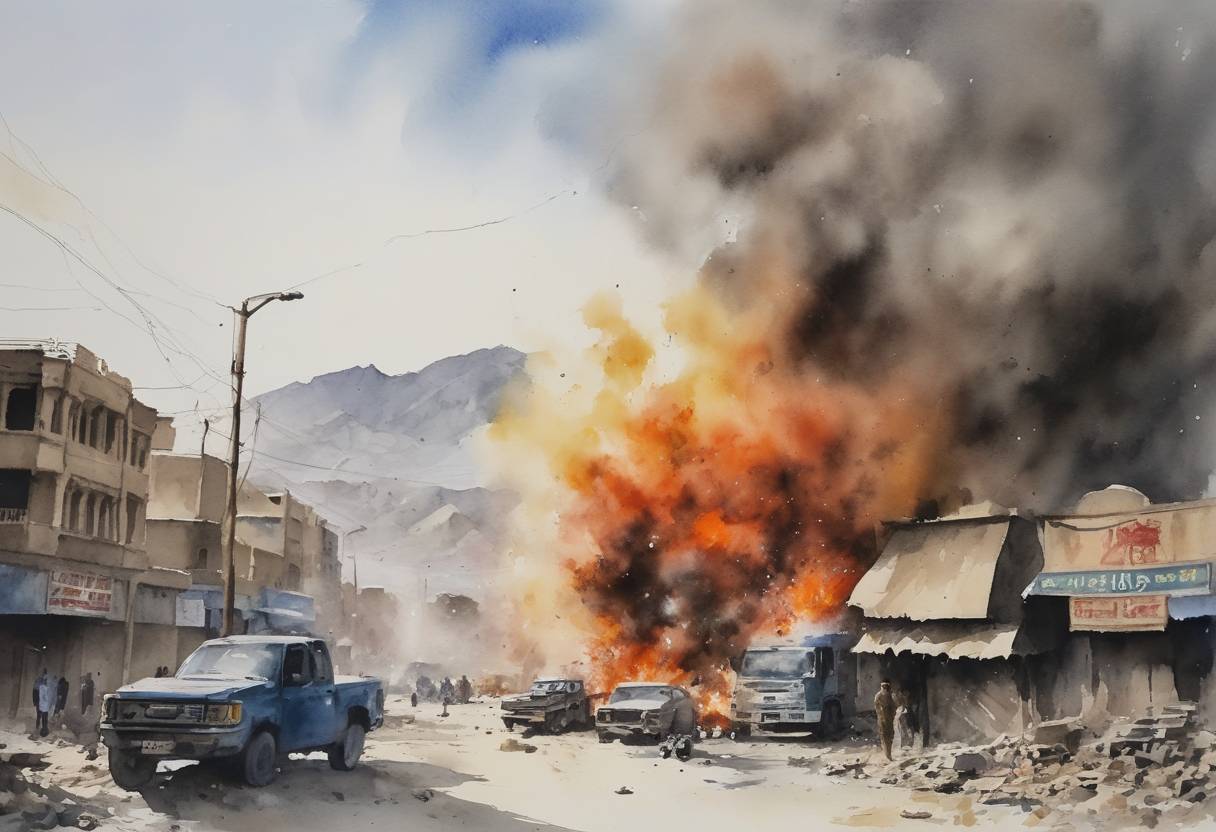
On May 31, 2017, one of the deadliest terrorist attacks in Kabul, Afghanistan, occurred when a massive truck bomb detonated in the diplomatic quarter of the city. This devastating explosion resulted in the deaths of at least 90 people and injured more than 400 others.
The bombing took place in Kabul’s Wazir Akbar Khan area, a highly secure district hosting several embassies and government buildings. Despite stringent security measures, the area has been a frequent target for attacks due to its symbolic significance and concentration of international presence.
The attack involved a sewage truck loaded with explosives, strategically detonated during the morning rush hour to maximize casualties. The blast created a havoc situation, leading to widespread destruction over a large radius, shattering windows, and causing significant structural damage to surrounding buildings, including the German Embassy, which bore the brunt of the explosion.
Rescue operations were launched hastily, with emergency responses stretching the city’s hospital resources to provide care for the overwhelming number of injured victims. The scale of destruction and loss echoed through Kabul, instigating immediate international condemnation and expressing solidarity with Afghanistan.
Although no group initially claimed responsibility for the attack, Afghan security forces pointed towards insurgent groups active in the region, such as the Taliban and the Haqqani network. The attack underscored the fragile security situation in Afghanistan, despite ongoing efforts by NATO forces and the Afghan government to stabilize the region.
The attack on May 31, 2017, highlighted persistent challenges in securing Kabul and protecting civilians amidst an increasingly volatile security environment. It also intensified scrutiny on governmental and international strategies aimed at countering terrorism and brought about renewed focus on diplomatic and security measures within Afghanistan.
Source: www.bbc.com