The End of the IRA's Armed Campaign: July 28, 2005
2005 · Belfast, United Kingdom
The Provisional Irish Republican Army (IRA) formally announced an end to its armed campaign, stating that it would pursue its objectives through peaceful means.
May 5, 1981
Bobby Sands, a member of the Provisional Irish Republican Army, dies on hunger strike in HM Prison Maze.
Lisburn, United Kingdom | Provisional Irish Republican Army
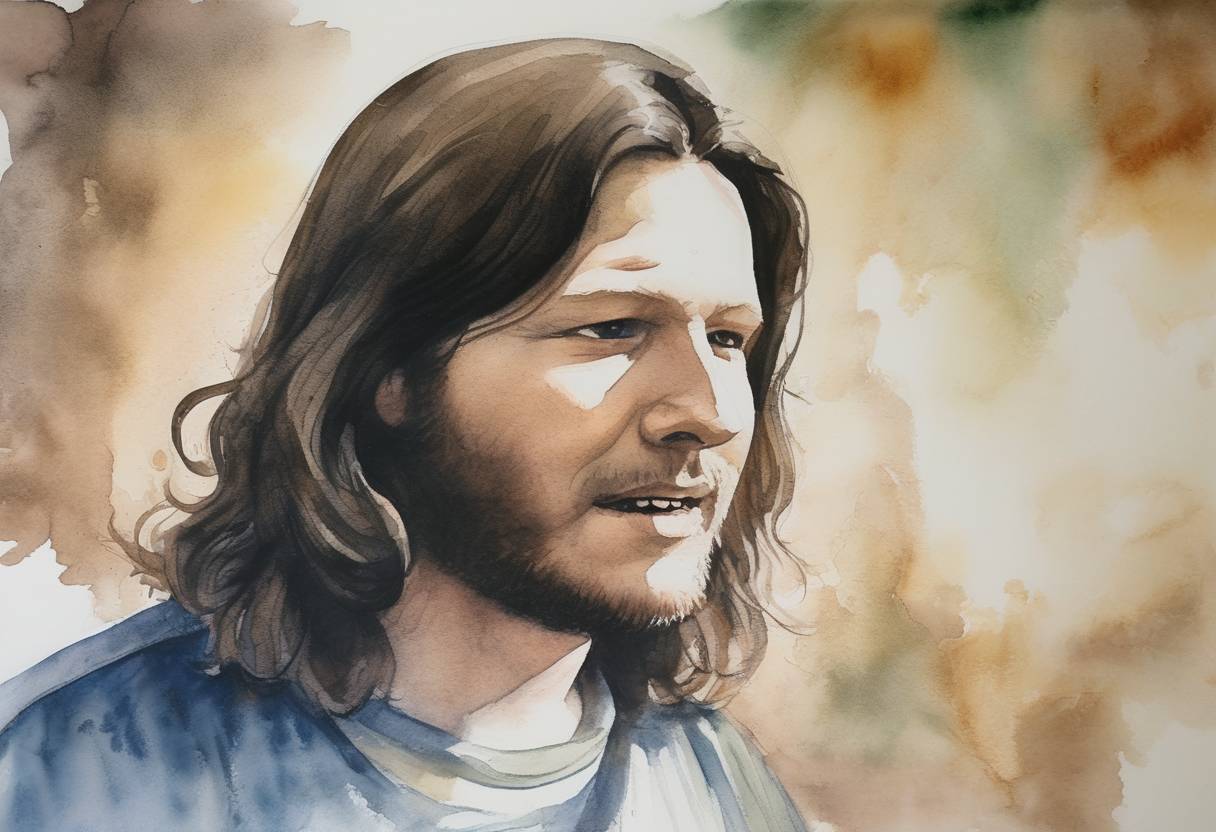
On May 5, 1981, Bobby Sands, a member of the Provisional Irish Republican Army (IRA), died after 66 days on hunger strike in HM Prison Maze, also known as Long Kesh, located in Northern Ireland. Sands’ death marked a pivotal moment in the history of the Northern Ireland conflict, often referred to as “The Troubles.”
Bobby Sands was born on March 9, 1954, in Belfast, Northern Ireland. He grew up in a Catholic family during a time of intense sectarian conflict between the Catholic nationalist community, which sought unification with the Republic of Ireland, and the Protestant unionist community, which wanted to remain part of the United Kingdom.
Sands joined the Provisional IRA in the early 1970s, motivated by the civil rights struggles and the violent response from the British state. He was arrested in 1976 for possession of firearms and sentenced to 14 years in prison.
The hunger strike of 1981 was part of a larger protest by Irish republican prisoners who sought to regain political status, which had been revoked by the British government in 1976. The prisoners demanded the right to wear their own clothes, refrain from prison work, and have free association with other prisoners, among other rights.
Bobby Sands began his hunger strike on March 1, 1981, and was the first of ten prisoners to die during the protest. His strike gained international attention, particularly after he was elected as a Member of Parliament for Fermanagh and South Tyrone on April 9, 1981, while still imprisoned.
Sands’ death led to widespread riots and protests in Northern Ireland and increased international awareness of the conflict. The British government, led by Prime Minister Margaret Thatcher, remained steadfast in its refusal to grant the prisoners’ demands, arguing that conceding would undermine the rule of law and encourage further violence.
The hunger strike had significant political repercussions. It galvanized nationalist sentiment in Northern Ireland and increased support for Sinn Féin, the political wing of the IRA. This shift laid the groundwork for Sinn Féin’s later political successes and its role in the peace process that eventually led to the Good Friday Agreement in 1998.
Bobby Sands’ legacy remains a complex and contentious subject. For many, he is seen as a martyr for the cause of Irish nationalism, while others view the hunger strike as a tragic episode in a violent and protracted conflict.
The death of Bobby Sands on May 5, 1981, was a turning point in the Northern Ireland conflict, highlighting the deep divisions and intense emotions surrounding the struggle for Irish self-determination. His story continues to resonate, symbolizing both the sacrifices made during The Troubles and the enduring quest for peace and reconciliation in the region.
Source: en.wikipedia.org