Space Shuttle Discovery's Final Mission: STS-133
2011 · Cape Canaveral, United States
The Space Shuttle Discovery completed its final mission, STS-133, and landed at Kennedy Space Center in Florida.
February 24, 2011
Space Shuttle Discovery was launched on its final mission, STS-133, to the International Space Station.
Cape Canaveral, United States | NASA
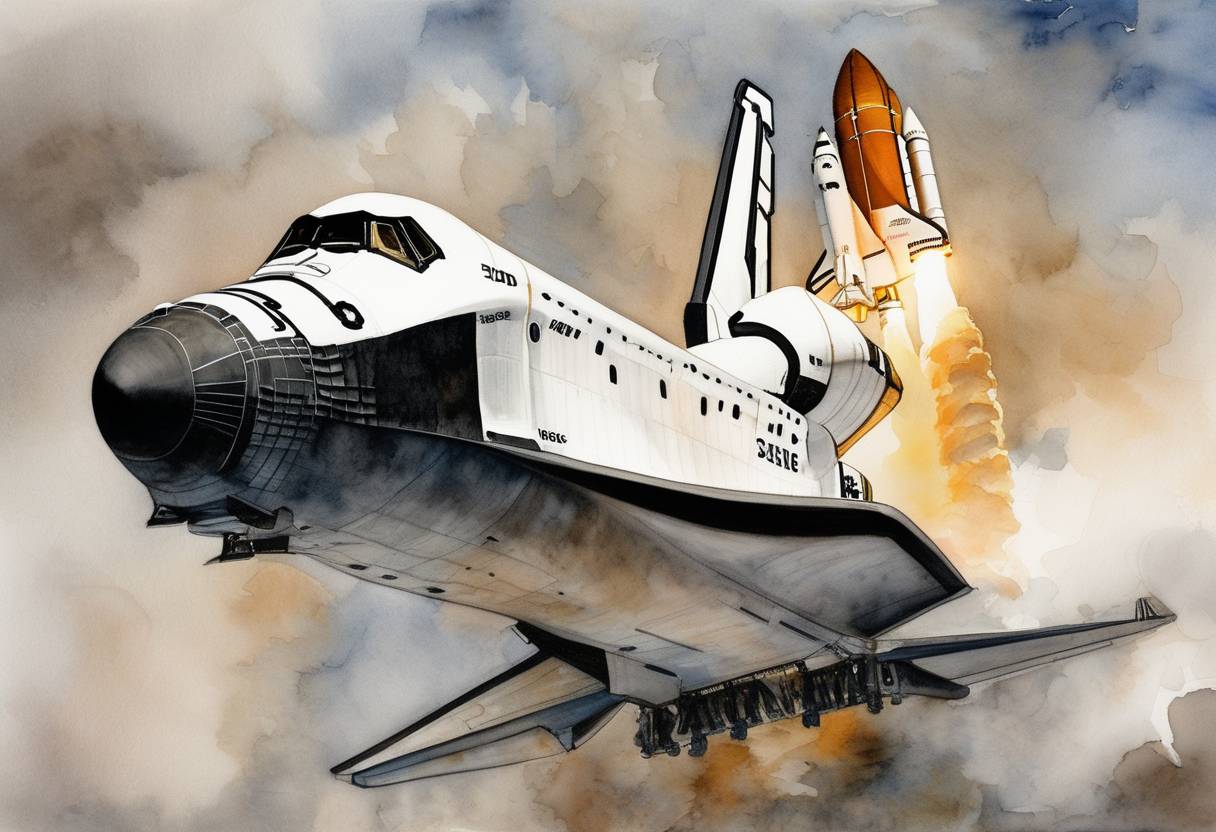
On February 24, 2011, Space Shuttle Discovery embarked on its final mission, STS-133, as part of NASA’s Space Shuttle program. The launch took place at 4:53 PM EST from Launch Pad 39A at the Kennedy Space Center in Florida.
STS-133 was primarily tasked with delivering critical components to the International Space Station (ISS). The key objectives included:
The STS-133 mission was crewed by a team of six astronauts:
Notably, Stephen Bowen replaced astronaut Timothy Kopra after Kopra was injured in a bicycle accident prior to the mission’s launch.
The mission marked Discovery’s 39th flight, solidifying its status as the most flown spacecraft in NASA’s history. Upon landing, Discovery concluded its operational history which began with its maiden voyage on August 30, 1984. This final mission underscored the contributions of the Space Shuttle program in furthering space exploration and international cooperation through the ISS.
Discovery returned to Earth on March 9, 2011, landing at the Kennedy Space Center. Following its retirement, Discovery was transferred to the Smithsonian National Air and Space Museum’s Steven F. Udvar-Hazy Center in Virginia, where it remains as an exhibit to educate and inspire future generations about human space exploration. Discovery’s legacy continues to influence NASA’s ongoing missions and future plans for space travel beyond low Earth orbit.
Source: www.nasa.gov