The Implantation of the AbioCor Artificial Heart
2001 · Louisville, United States
The world's first self-contained artificial heart, the AbioCor, was implanted in a patient at Jewish Hospital in Louisville, Kentucky.
February 19, 1985
William J. Schroeder became the first artificial heart patient to leave the hospital.
Louisville, United States | Humana Heart Institute International
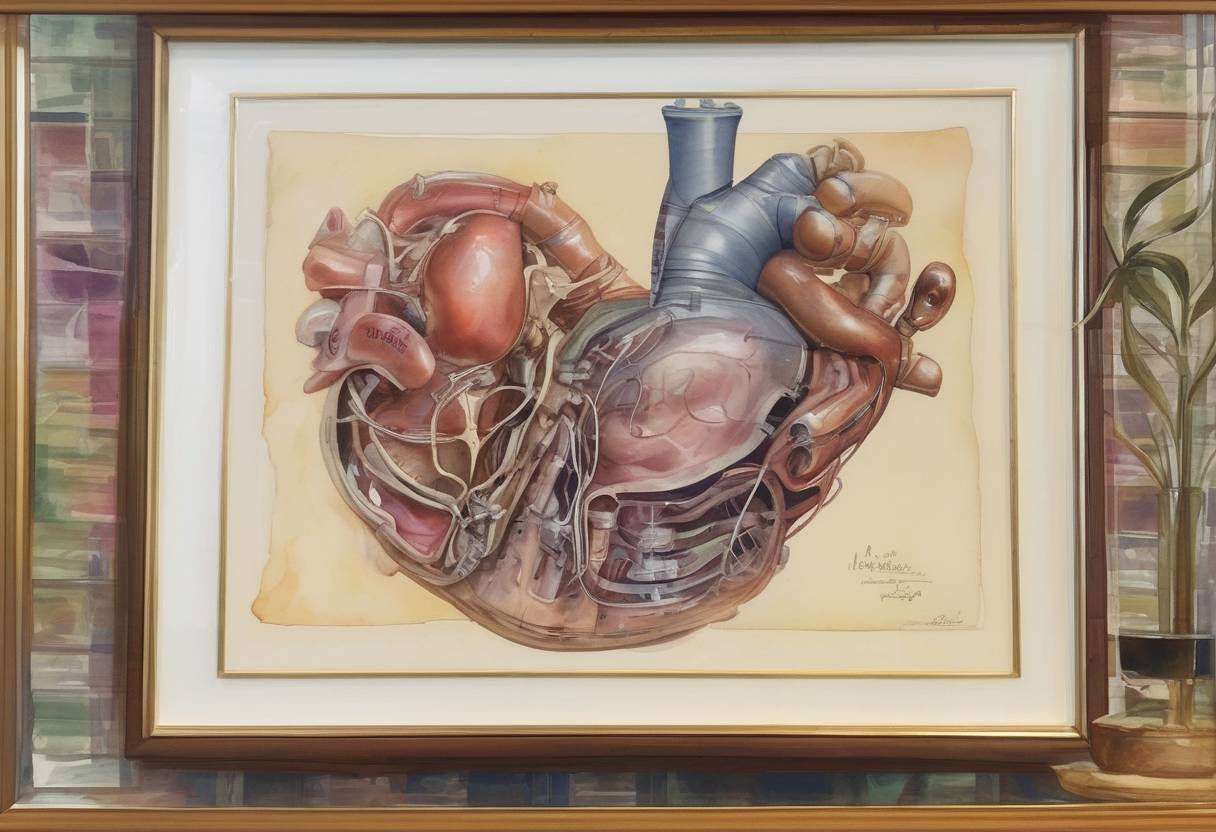
On February 19, 1985, William J. Schroeder made medical history by becoming the first recipient of a permanent artificial heart to be discharged from the hospital. This milestone marked a significant advancement in the field of medical technology and cardiac care.
William J. Schroeder, a 52-year-old retired factory worker from Jasper, Indiana, suffered from severe heart failure. Traditional heart transplants were not an option due to the scarcity of donor hearts and his deteriorating condition. As a result, Schroeder became a candidate for an experimental procedure involving the implantation of an artificial heart.
The artificial heart implanted in Schroeder was the Jarvik-7, named after its inventor, Dr. Robert Jarvik. The Jarvik-7 was a pneumatically powered device designed to replace the function of a human heart. It was made of aluminum and polyurethane and connected to an external power source via tubes that exited the body.
Schroeder underwent the groundbreaking surgery on November 25, 1984, at Humana Hospital-Audubon in Louisville, Kentucky. The procedure was led by Dr. William C. DeVries, a pioneering heart surgeon. Following the surgery, Schroeder remained in the hospital for nearly three months, during which he was closely monitored for complications and adjustments to the artificial heart.
On February 19, 1985, Schroeder was discharged from the hospital, marking the first time a patient with a permanent artificial heart left a medical facility. This event was a significant step forward in the development of artificial heart technology and offered hope for patients with end-stage heart disease.
William J. Schroeder lived for 620 days with the Jarvik-7 artificial heart, passing away on August 7, 1986, due to a stroke. His case highlighted both the potential and the challenges of artificial heart technology. It spurred further research and development in the field, eventually leading to improvements in artificial heart designs and the development of ventricular assist devices (VADs) that are used today.
Schroeder’s experience underscored the importance of innovation in medical technology and the ongoing quest to improve the quality of life for patients with severe cardiac conditions. His journey remains a pivotal moment in the history of cardiac care and medical science.
Source: en.wikipedia.org