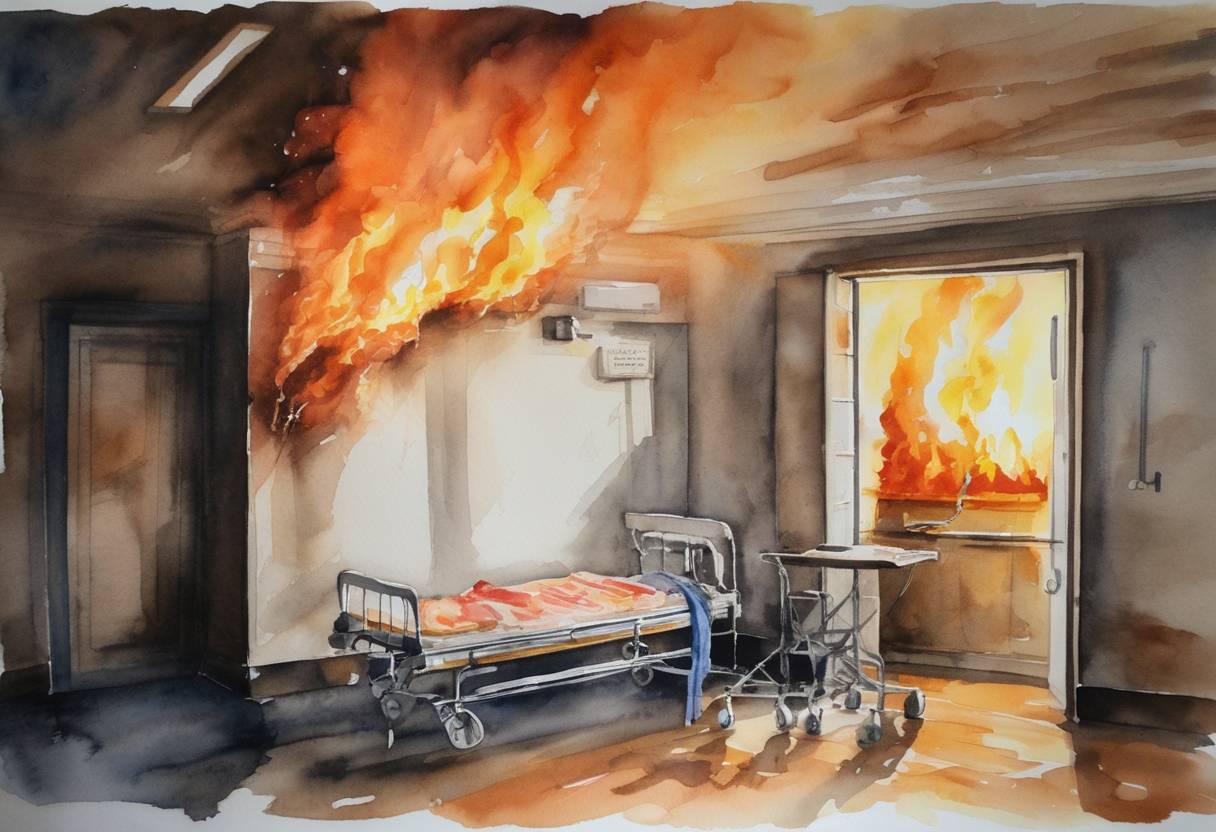
Fire Incident at COVID-19 Ward in Tver, Russia - April 16, 2022
Overview
On April 16, 2022, a tragic fire broke out at the Tver Regional Infectious Diseases Hospital in Tver, Russia, resulting in the deaths of six patients. The blaze occurred in a ward designated for the treatment of COVID-19 patients.
Cause of the Fire
The fire was attributed to a short circuit in medical equipment crucial for treating patients suffering from COVID-19. Specifically, the short circuit occurred in ventilators, which are vital for aiding patients with severe respiratory distress. The malfunction in the electrical system caused the equipment to ignite, leading to the rapid spread of flames in the ward.
The Incident
The fire caused significant damage to the facility, compromising the structure of the hospital. Emergency responders were called to the scene to contain the blaze and evacuate patients. Despite their efforts, six individuals lost their lives due to the incident. Other patients and hospital staff were evacuated successfully, preventing further casualties.
Aftermath and Investigation
Local authorities launched an investigation to determine the exact sequence of events and identify potential lapses in safety protocols. This inquiry aimed to prevent similar incidents in the future. The tragedy highlighted concerns regarding hospital safety standards, especially under the heightened pressures of a pandemic.
Broader Context
This incident is one of several similar events that occurred globally, underscoring the challenges faced by healthcare systems during the COVID-19 pandemic. Hospitals worldwide were operating under immense stress, with demands for medical resources, including ventilators, far outstripping supply. This scenario led to increased scrutiny on the maintenance and use of medical equipment.
Historical Significance
The fire emphasized the urgent need for improved safety measures in medical facilities, particularly during health crises. It served as a sobering reminder of the vulnerabilities within healthcare infrastructures when faced with unprecedented emergency conditions, such as those brought on by the COVID-19 pandemic.