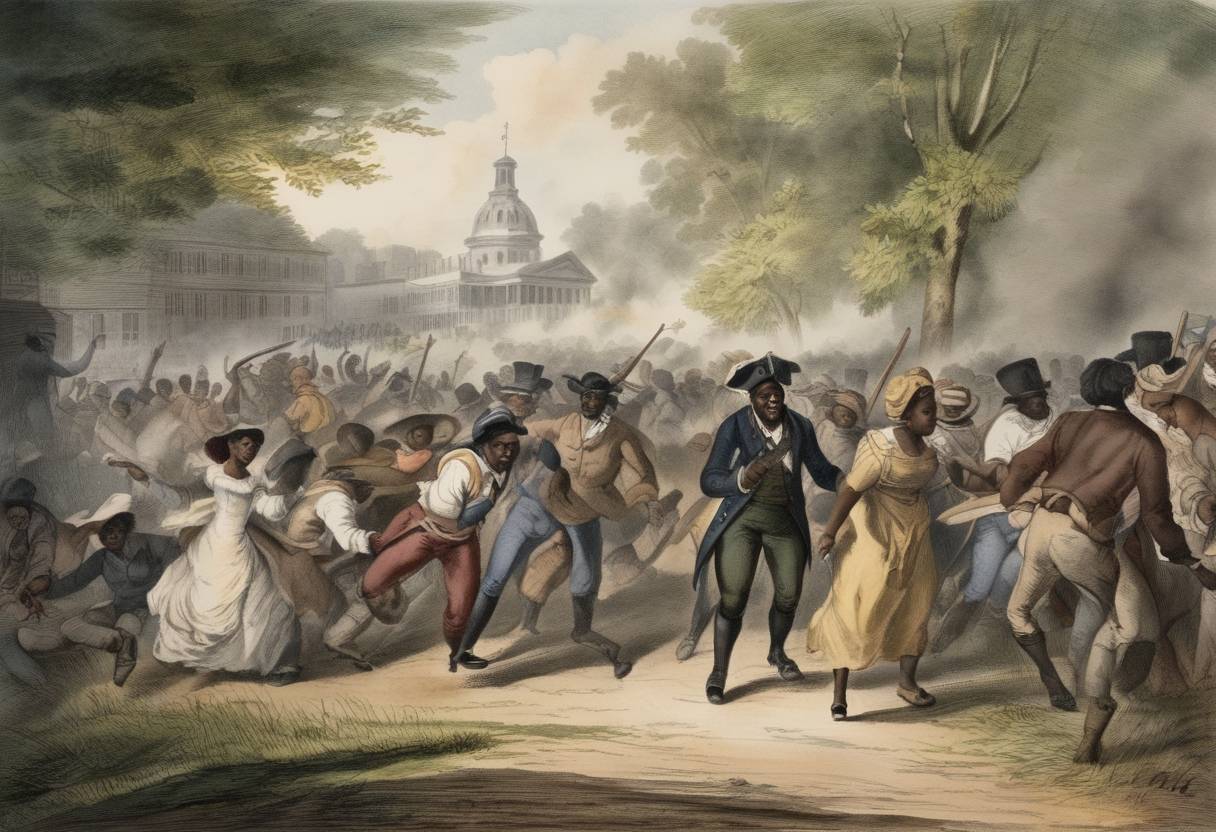
The Fugitive Slave Act of 1793
On February 12, 1793, the United States Congress passed the Fugitive Slave Act, a significant piece of legislation designed to enforce Article IV, Section 2 of the United States Constitution. This article required the return of runaway enslaved individuals to their enslavers.
Context and Motivation
The Fugitive Slave Act of 1793 emerged from the constitutional compromise between Northern and Southern states during the Constitutional Convention of 1787. Southern states, which heavily relied on slavery for their economic prosperity, demanded legal provisions to secure their continued control and reclaim of enslaved people who had fled to free states. In response, the 1793 Act aimed to reinforce enslavers’ property rights across state lines.
Key Provisions
The Act authorized:
- The capture and return of enslaved individuals who had escaped and were residing in another state.
- Federal and state judges to issue warrants for the arrest of fugitive slaves upon formal complaint by an enslaver or a designated representative.
- Imposition of fines up to $500 on individuals who aided, harbored, or concealed escaped enslaved persons, an extensive sum at the time, to deter assistance and prevent the fostering of abolitionist support.
The legislation did not provide a trial by jury for the accused, limiting legal defense for those captured. It placed the legal ownership claims of enslavers above the agency and rights of the enslaved.
Impact and Aftermath
The Fugitive Slave Act of 1793 marked a step towards federal enforcement of slavery, escalating tensions between abolitionist sentiments in the North and pro-slavery states in the South. It encouraged a network of fugitive slave catchers and heightened the risks for those involved in Underground Railroad activities.
The inadequacies and controversies surrounding the 1793 Act eventually led to the passage of the more stringent Fugitive Slave Act of 1850, which intensified national divisions and contributed to the events leading up to the American Civil War.
The 1793 legislation highlights an era where institutional frameworks prioritized property rights over human rights, reflecting the deep systemic entrenchment of slavery in early American society.