Sentencing of Robert Hanssen: May 10, 2002
2002 · Alexandria, United States
FBI agent Robert Hanssen was sentenced to life in prison without the possibility of parole for selling secrets to the Soviet Union and Russia over a 22-year period.
June 19, 1953
Julius and Ethel Rosenberg are executed for conspiracy to commit espionage for the Soviet Union, marking a controversial moment in Cold War history.
New York City, United States | United States government
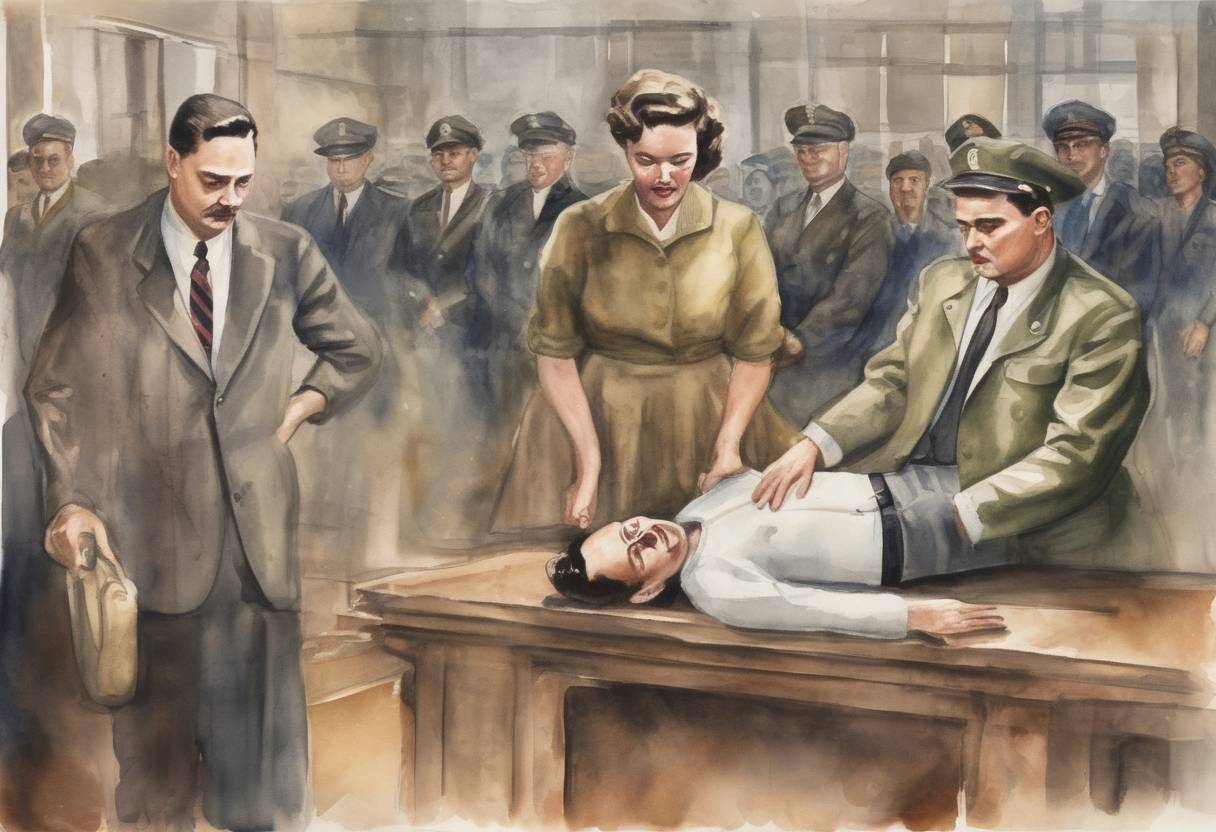
On June 19, 1953, Julius and Ethel Rosenberg were executed at Sing Sing Prison in Ossining, New York, marking a pivotal and controversial moment in Cold War history. The Rosenbergs were American citizens convicted of conspiracy to commit espionage, specifically for passing atomic secrets to the Soviet Union. Their trial and execution were emblematic of the intense anti-communist sentiment and fear of Soviet espionage that characterized the early Cold War era in the United States.
Espionage Allegations: Julius Rosenberg, an electrical engineer, and his wife Ethel were accused of leading a spy ring that provided the Soviet Union with top-secret information about the atomic bomb. The case against them was largely based on the testimony of Ethel’s brother, David Greenglass, who worked on the Manhattan Project and confessed to passing information to Julius.
The Trial: The Rosenbergs were arrested in 1950 and stood trial in 1951. The trial was highly publicized and controversial, with the prosecution arguing that their espionage had accelerated Soviet nuclear capabilities, thus endangering American security. They were convicted and sentenced to death under the Espionage Act of 1917.
Execution: Despite numerous appeals and international pleas for clemency, including from figures such as Albert Einstein and the Pope, the Rosenbergs were executed in the electric chair on June 19, 1953. They were the first American civilians to be executed for espionage during peacetime.
Controversy and Debate: The case has been the subject of ongoing debate and controversy. Critics argue that the evidence against Ethel, in particular, was weak and that her execution was intended to pressure Julius into confessing. The trial and execution were seen by many as influenced by the pervasive anti-communist hysteria of the McCarthy era.
Impact on U.S. Society: The Rosenberg case heightened fears of communist infiltration and espionage within the United States, contributing to the broader Red Scare and McCarthyism. It also sparked debates about civil liberties, due process, and the fairness of the American justice system during times of national security crises.
Legacy: Over the years, declassified documents and further investigations have provided more context to the case. While Julius Rosenberg’s involvement in espionage activities is generally accepted, Ethel’s role remains a subject of debate, with some historians suggesting she was less culpable than portrayed.
The execution of Julius and Ethel Rosenberg remains a significant and contentious episode in American history, reflecting the complexities and tensions of the Cold War era.
Source: www.history.com