The Collapse of the Old Man of the Mountain: May 3, 2003
Overview
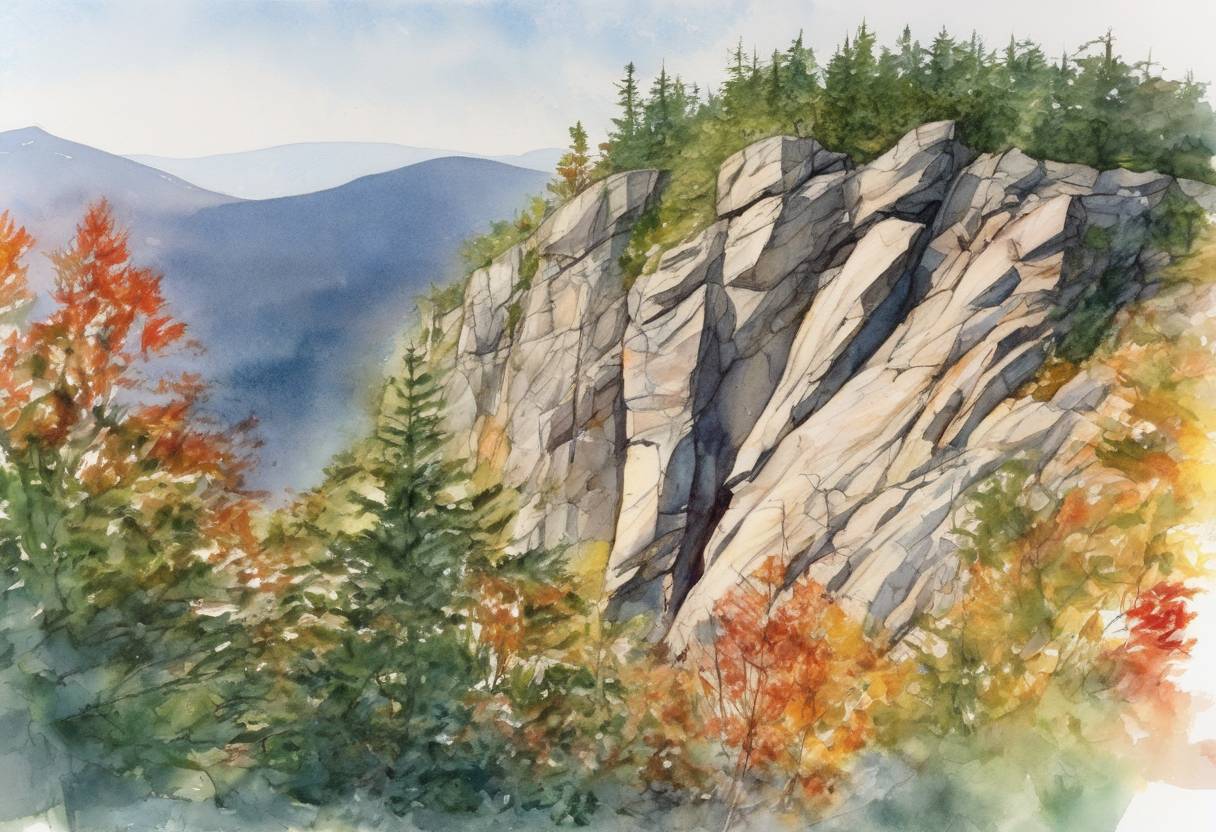
On May 3, 2003, New Hampshire’s iconic natural rock formation known as the Old Man of the Mountain collapsed. This geological feature, located on Cannon Mountain in the White Mountains, was a series of five granite cliff ledges that, when viewed from the north, resembled the profile of an old man’s face. The collapse marked the end of an era for a symbol that had been an integral part of New Hampshire’s identity.
Historical Context
Formation and Discovery: The Old Man of the Mountain was formed during the retreat of glaciers approximately 12,000 years ago. It was first discovered by European settlers in 1805 and quickly became a symbol of the rugged beauty of New Hampshire.
Cultural Significance: The Old Man of the Mountain was not only a natural wonder but also a cultural icon. It was featured on New Hampshire’s state quarter, license plates, and numerous promotional materials. The profile was a source of state pride and was officially adopted as the state emblem in 1945.
Events Leading to the Collapse
Natural Erosion: Over the years, the Old Man of the Mountain was subject to natural erosion and weathering. The freeze-thaw cycles typical of New Hampshire’s climate contributed to the gradual weakening of the rock formation.
Preservation Efforts: Starting in the 1920s, efforts were made to preserve the Old Man. These included the installation of steel rods and turnbuckles to stabilize the formation. Despite these efforts, the natural forces proved too strong.
The Collapse
Date and Discovery: On the morning of May 3, 2003, the Old Man of the Mountain was discovered to have collapsed. The event likely occurred overnight, with the rocks succumbing to gravity and the persistent effects of erosion.
Public Reaction: The collapse was met with widespread sadness and a sense of loss among New Hampshire residents and admirers worldwide. The Old Man had been a beloved symbol for nearly two centuries.
Aftermath and Legacy
Memorialization: In the wake of the collapse, the state of New Hampshire and private organizations worked to memorialize the Old Man. The Old Man of the Mountain Legacy Fund was established to create a memorial site at Franconia Notch State Park, which includes a series of steel rods and a viewing platform to help visitors visualize the profile.
Cultural Impact: The Old Man of the Mountain remains a potent symbol of New Hampshire’s natural beauty and resilience. It continues to be celebrated in art, literature, and local folklore.
Broader Significance
The collapse of the Old Man of the Mountain serves as a reminder of the impermanence of natural landmarks and the powerful forces of nature. It highlights the challenges of preserving natural heritage and the emotional connections people form with such symbols. Despite its physical absence, the Old Man of the Mountain endures in the collective memory and identity of New Hampshire.