European Union Announces New Sanctions Against Russia
2022 · Brussels, Belgium
The European Union announced a new package of sanctions against Russia in response to its invasion of Ukraine.
February 21, 2013
The European Union imposes sanctions on North Korea following its third nuclear test conducted earlier in the month.
Brussels, Belgium | European Union
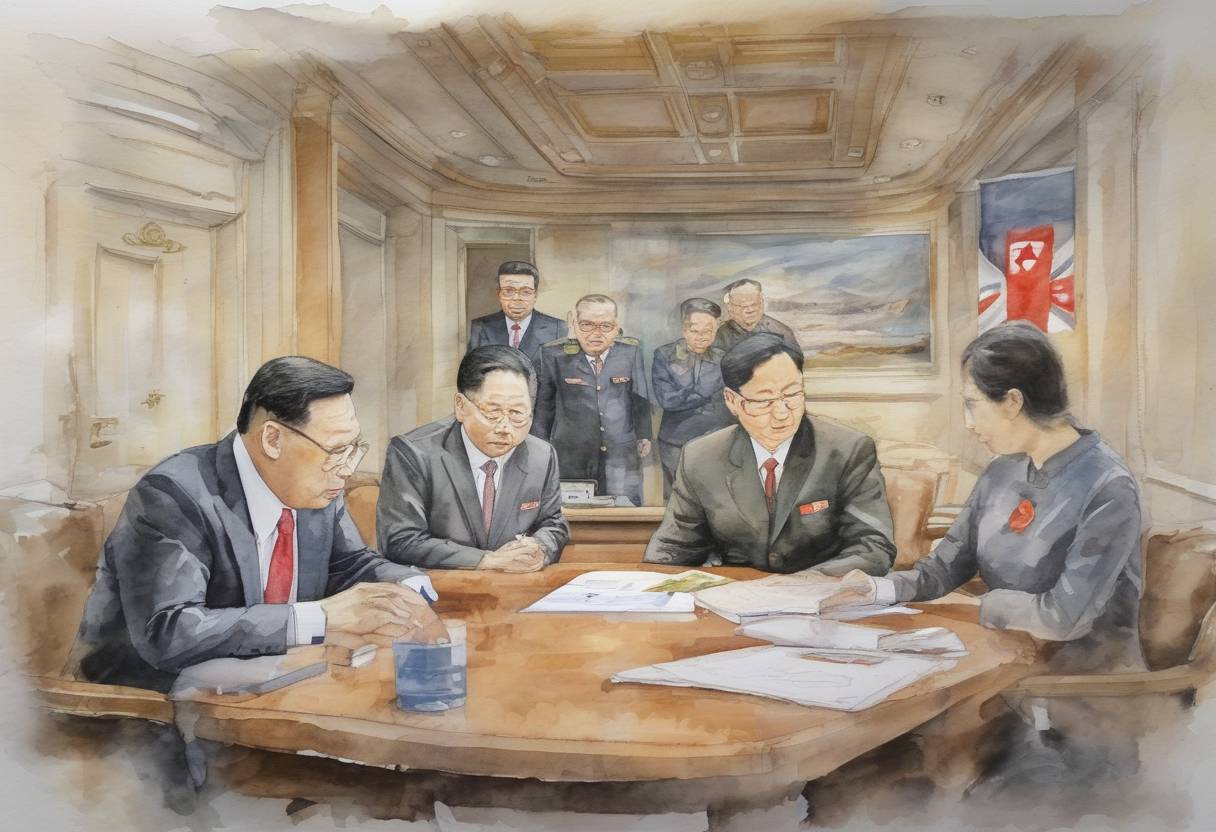
On February 21, 2013, the European Union (EU) imposed a new set of sanctions on North Korea in response to its third nuclear test, which was conducted on February 12, 2013. This action by the EU was part of a broader international effort to curb North Korea’s nuclear ambitions and to pressure the regime into compliance with international norms regarding nuclear proliferation.
North Korea’s Nuclear Program: North Korea’s pursuit of nuclear weapons has been a point of international tension for decades. The country conducted its first nuclear test in 2006, followed by a second in 2009. These tests were met with widespread condemnation and resulted in various sanctions from the United Nations and individual countries.
February 2013 Nuclear Test: The nuclear test conducted by North Korea in February 2013 was its third and was reported to be more powerful than its previous tests. This test was seen as a significant provocation and a direct challenge to international efforts to denuclearize the Korean Peninsula.
Nature of Sanctions: The EU’s sanctions targeted North Korea’s financial and trade sectors. They included restrictions on the trade of goods and technology that could contribute to North Korea’s nuclear and ballistic missile programs. Additionally, the sanctions aimed to limit North Korea’s access to the international financial system.
Objectives: The primary goal of these sanctions was to pressure North Korea into halting its nuclear program and returning to the negotiating table for denuclearization talks. The EU, along with other international actors, sought to demonstrate a unified stance against nuclear proliferation.
United Nations: Following the nuclear test, the United Nations Security Council unanimously adopted Resolution 2094, which expanded existing sanctions against North Korea. This resolution aimed to tighten financial restrictions and increase scrutiny of North Korean cargo.
Global Condemnation: The nuclear test was condemned by countries around the world, including the United States, South Korea, Japan, and China. These nations called for North Korea to adhere to international agreements and cease its nuclear activities.
Continued Tensions: Despite the sanctions and international pressure, North Korea continued to develop its nuclear and missile programs in the following years. The situation on the Korean Peninsula remained tense, with periodic escalations and diplomatic efforts to address the nuclear issue.
Diplomatic Efforts: The sanctions were part of a broader strategy that included diplomatic efforts to engage North Korea in dialogue. Over the years, various rounds of talks, including the Six-Party Talks, were held with the aim of achieving denuclearization.
In summary, the EU’s imposition of sanctions on North Korea on February 21, 2013, was a significant step in the international community’s response to North Korea’s nuclear test earlier that month. These actions underscored the global commitment to preventing nuclear proliferation and maintaining stability in the region.
Source: www.reuters.com