The Release of the First iPhone: June 29, 2007
2007 · Cupertino, United States
Apple Inc. released the first iPhone, revolutionizing the smartphone industry and significantly impacting global communication and technology.
January 10, 2007
Apple Inc. CEO Steve Jobs announces the iPhone at the Macworld convention in San Francisco, revolutionizing the smartphone industry.
San Francisco, United States | Apple Inc.
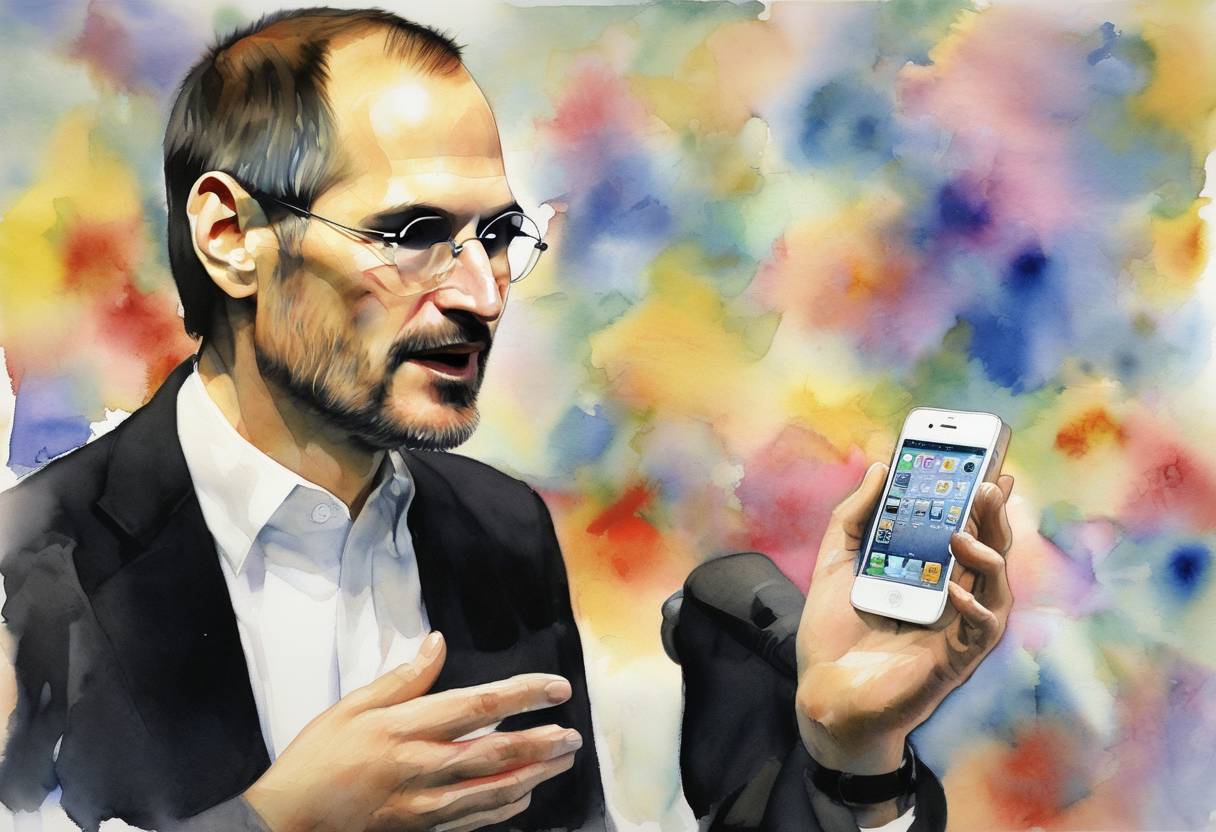
On January 10, 2007, Steve Jobs, the co-founder and then-CEO of Apple Inc., took the stage at the Macworld convention in San Francisco to unveil a groundbreaking product that would revolutionize the smartphone industry: the iPhone. This announcement marked a pivotal moment in technology and consumer electronics, setting new standards for mobile devices.
Before the iPhone’s introduction, the mobile phone market was dominated by companies like Nokia, BlackBerry, and Motorola. These devices primarily focused on communication, with limited internet capabilities and user interfaces that were often cumbersome. Apple, known for its innovation in personal computing and portable music players with the iPod, saw an opportunity to integrate these technologies into a single device.
During his keynote address, Steve Jobs described the iPhone as three revolutionary products in one: a widescreen iPod with touch controls, a revolutionary mobile phone, and a breakthrough internet communications device. The key features that set the iPhone apart included:
The announcement of the iPhone was met with widespread acclaim and excitement. It set a new benchmark for smartphones, influencing the design and functionality of future devices. The iPhone’s success led to the development of a robust ecosystem of apps and accessories, further cementing Apple’s position as a leader in the tech industry.
The iPhone’s introduction also had broader implications for various sectors:
In summary, Steve Jobs’ announcement of the iPhone on January 10, 2007, was a transformative event that not only redefined the smartphone industry but also had lasting effects on technology and society as a whole.
Source: www.apple.com