U.S. President Donald Trump and Saudi Arabia's King Salman Sign a $110 Billion Arms Deal
2017 · Riyadh, Saudi Arabia
U.S. President Donald Trump and Saudi Arabia's King Salman sign a $110 billion arms deal in Riyadh.
January 6, 1978
The Holy Crown of Hungary was returned to Hungary from the United States, where it had been held since the end of World War II.
Budapest, Hungary | United States Government
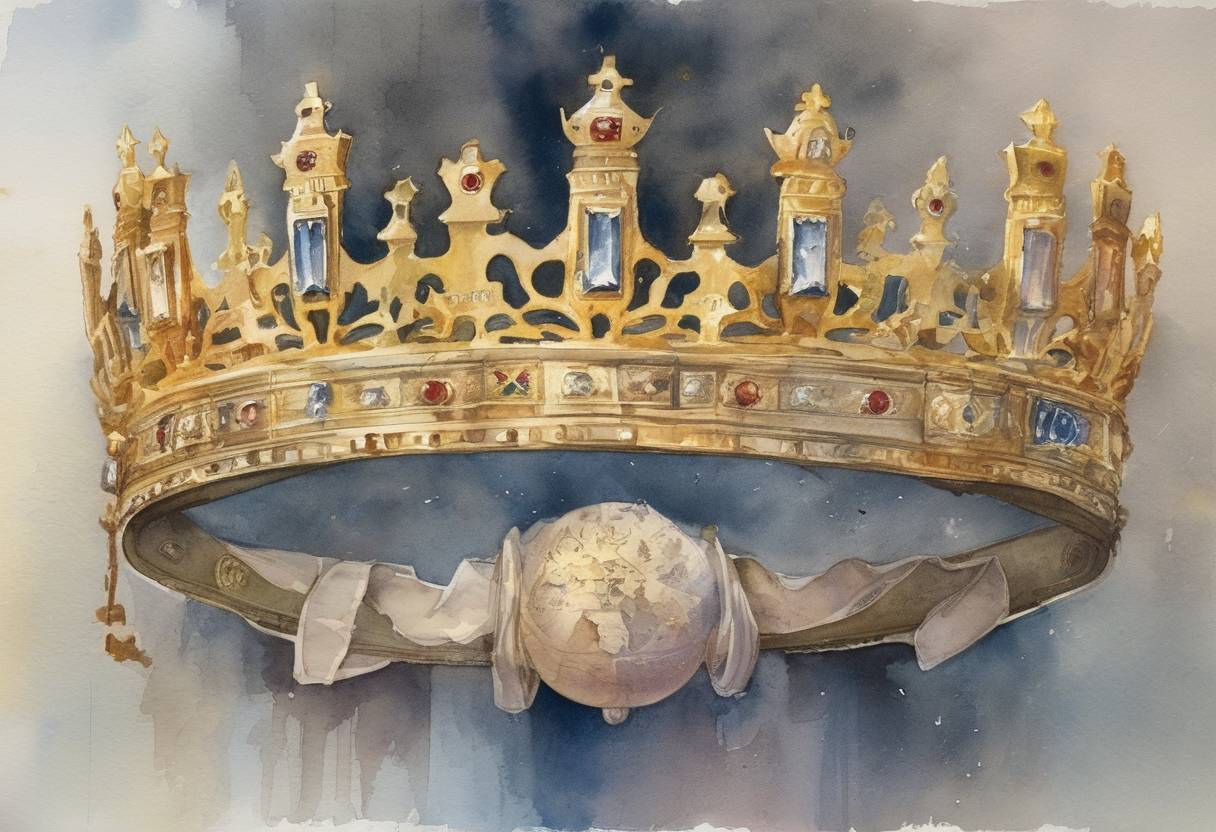
The Holy Crown of Hungary, also known as the Crown of Saint Stephen, is a significant symbol of Hungarian statehood and identity. Traditionally used in the coronation of Hungarian kings, the crown holds immense cultural and historical importance. Its origins date back to the late 11th century, and it is associated with Hungary’s first king, Saint Stephen I.
During World War II, as the Axis powers faced defeat, the Hungarian government sought to protect the crown from the advancing Soviet forces. In 1945, it was handed over to the United States Army by the retreating Hungarian forces. The crown was then transported to the United States for safekeeping, where it remained in Fort Knox, Kentucky, for over three decades.
On January 6, 1978, the Holy Crown was returned to Hungary by the United States. This event marked a significant moment in Cold War diplomacy and was seen as a gesture of goodwill by the U.S. towards Hungary, which was then a socialist state under Soviet influence. The decision to return the crown was made by President Jimmy Carter, reflecting a broader policy of improving relations with Eastern European countries.
Diplomatic Negotiations: The return of the crown was preceded by extensive diplomatic discussions between the United States and Hungary. These negotiations were part of a broader context of détente, where the U.S. sought to ease tensions with Eastern Bloc countries.
Cultural and Political Significance: The return was not only a diplomatic gesture but also a recognition of the crown’s cultural and historical significance to the Hungarian people. It was intended to foster goodwill and cultural exchange.
National Celebration: The return of the crown was met with national celebration in Hungary. It was seen as a restoration of a vital part of the country’s heritage and identity.
Symbol of Unity: The crown’s return helped to unify various political factions within Hungary, as it was a symbol that transcended political ideologies.
Continued Diplomatic Relations: The event paved the way for improved relations between Hungary and the United States, contributing to a gradual thaw in Cold War tensions.
The return of the Holy Crown of Hungary is a notable example of cultural diplomacy during the Cold War. It underscores the importance of cultural artifacts in international relations and highlights how such gestures can contribute to easing geopolitical tensions. The crown remains a potent symbol of Hungarian national identity and continues to be displayed in the Hungarian Parliament building in Budapest.
This event is a testament to the enduring power of cultural heritage in shaping national and international narratives.
Source: en.wikipedia.org