Jefferson Davis Elected as Provisional President of the Confederate States of America
1861 · Montgomery, United States
Jefferson Davis was elected as the provisional president of the Confederate States of America.
February 4, 1861
The Confederate States of America was formed in Montgomery, Alabama, by representatives from six southern states that seceded from the United States.
Montgomery, United States | Confederate States of America
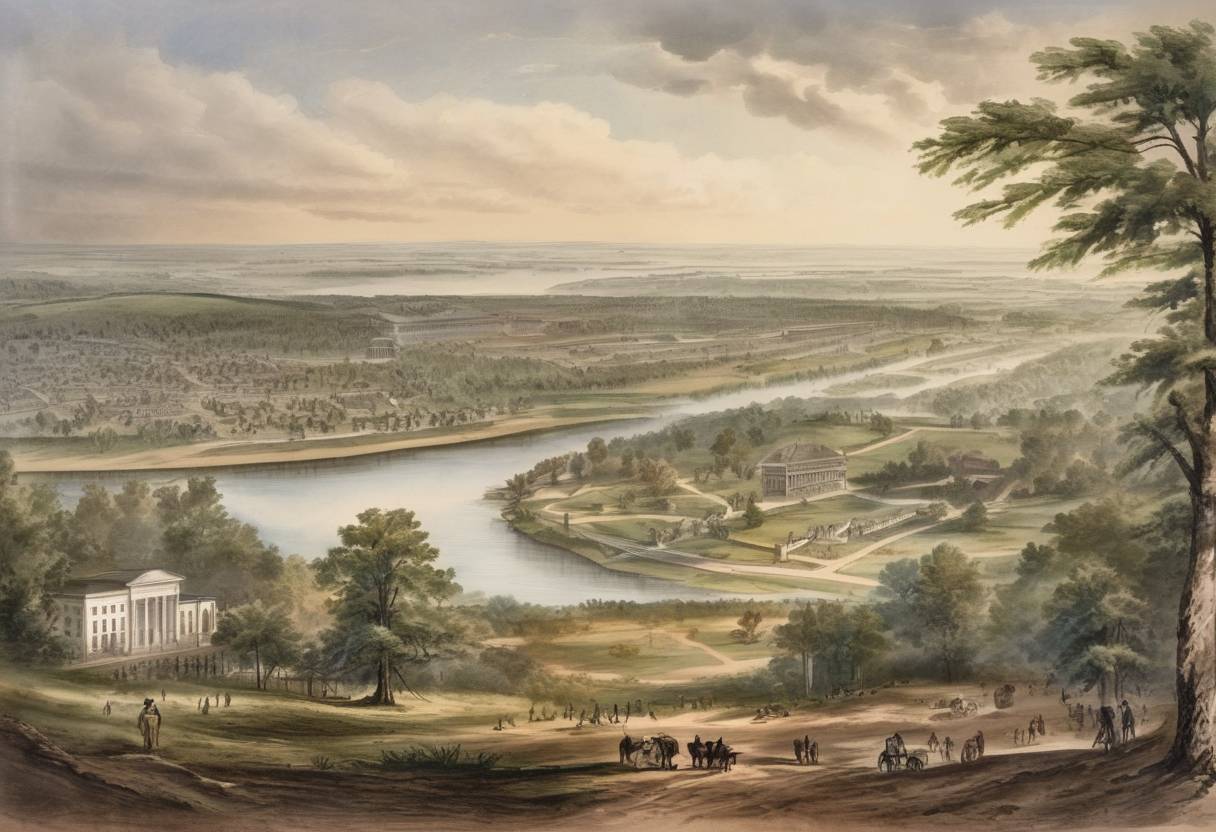
On February 4, 1861, representatives from six southern states convened in Montgomery, Alabama, to form the Confederate States of America (CSA). This pivotal event marked a significant escalation in the tensions that had been brewing between the northern and southern states of the United States, primarily over issues of states’ rights and slavery.
The election of Abraham Lincoln as President of the United States in November 1860 was a catalyst for secession. Lincoln’s Republican Party was seen as opposed to the expansion of slavery into new territories, which alarmed many in the southern states who viewed slavery as essential to their economic and social systems.
In the wake of Lincoln’s election, several southern states decided to secede from the Union. By February 1861, the following states had declared their secession:
These states sought to protect their interests and maintain their way of life, which they felt was threatened by the northern states and the incoming administration.
Delegates from the seceded states met in Montgomery, Alabama, to establish a new government. This gathering, known as the Montgomery Convention, was tasked with creating a constitution and organizing a provisional government for the Confederacy.
Provisional Constitution: The delegates drafted a provisional constitution for the Confederate States, which closely resembled the U.S. Constitution but with greater emphasis on states’ rights and the protection of slavery.
Leadership: Jefferson Davis of Mississippi was elected as the provisional President of the Confederate States, with Alexander H. Stephens of Georgia as Vice President.
Capital: Montgomery was chosen as the initial capital of the Confederacy, though it would later be moved to Richmond, Virginia.
The formation of the Confederate States of America was a direct challenge to the authority of the United States government and set the stage for the American Civil War. The secession of these states and the establishment of a rival government highlighted the deep divisions within the country.
Civil War: The establishment of the Confederacy led to the outbreak of the Civil War in April 1861, following the Confederate attack on Fort Sumter in South Carolina.
Expansion of the Confederacy: Following the initial formation, additional states, including Texas, Virginia, Arkansas, Tennessee, and North Carolina, joined the Confederacy.
Long-term Impact: The Civil War resulted in significant loss of life and reshaped the United States, leading to the eventual abolition of slavery and the strengthening of federal authority.
The formation of the Confederate States of America remains a critical moment in American history, reflecting the intense regional and ideological conflicts that defined the era.
Source: www.britannica.com