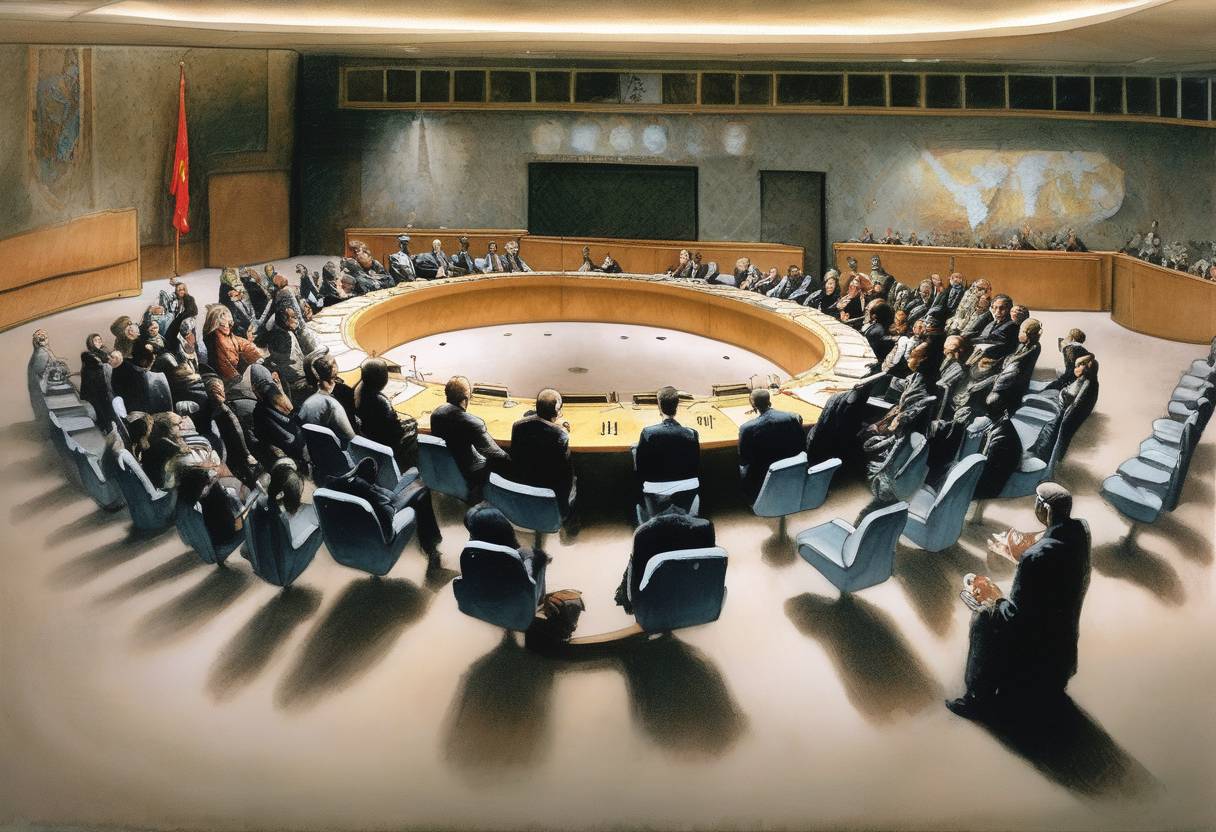
United Nations Security Council Resolution 1308
On June 19, 2000, the United Nations Security Council adopted Resolution 1308, marking a significant moment in the international community’s response to the HIV/AIDS epidemic. This resolution was groundbreaking as it was the first time the Security Council addressed a health issue as a matter of international peace and security.
Context and Background
By the late 1990s, HIV/AIDS had become a global pandemic, with severe implications for social and economic stability, particularly in sub-Saharan Africa. The disease not only affected civilian populations but also had a profound impact on military personnel and peacekeeping forces. Recognizing the potential threat to international peace and security, the Security Council took the unprecedented step of addressing the epidemic within the context of its mandate.
Key Provisions of Resolution 1308
Acknowledgment of the Impact: The resolution acknowledged that the HIV/AIDS pandemic could pose a risk to stability and security, particularly in regions with high infection rates. It recognized the potential impact on the health of peacekeeping personnel and the communities they serve.
Call for Action: The resolution called upon member states to develop and implement strategies to address the spread of HIV/AIDS among national uniformed services, including peacekeeping troops. It emphasized the importance of education, prevention, and treatment programs.
Role of the UN: The resolution urged the United Nations to incorporate HIV/AIDS awareness and prevention into its peacekeeping operations. It highlighted the need for training and the provision of necessary resources to protect peacekeepers and the populations they interact with.
Collaboration and Support: The resolution encouraged collaboration between the UN, member states, and relevant organizations to support efforts in combating HIV/AIDS. It stressed the importance of international cooperation in addressing the epidemic.
Significance and Aftermath
Resolution 1308 was a landmark in recognizing the intersection of health and security. It set a precedent for the Security Council to consider non-traditional threats to peace and security, broadening the scope of its responsibilities. The resolution also underscored the importance of integrating health considerations into peacekeeping missions, leading to the development of more comprehensive health policies within the UN system.
In the years following the adoption of Resolution 1308, the UN and its member states have continued to work towards mitigating the impact of HIV/AIDS on peacekeeping operations. The resolution paved the way for subsequent initiatives and resolutions that further addressed health issues within the context of international security.
Overall, Resolution 1308 represented a significant step in the global fight against HIV/AIDS, highlighting the need for a coordinated and multifaceted approach to address the epidemic’s far-reaching consequences.