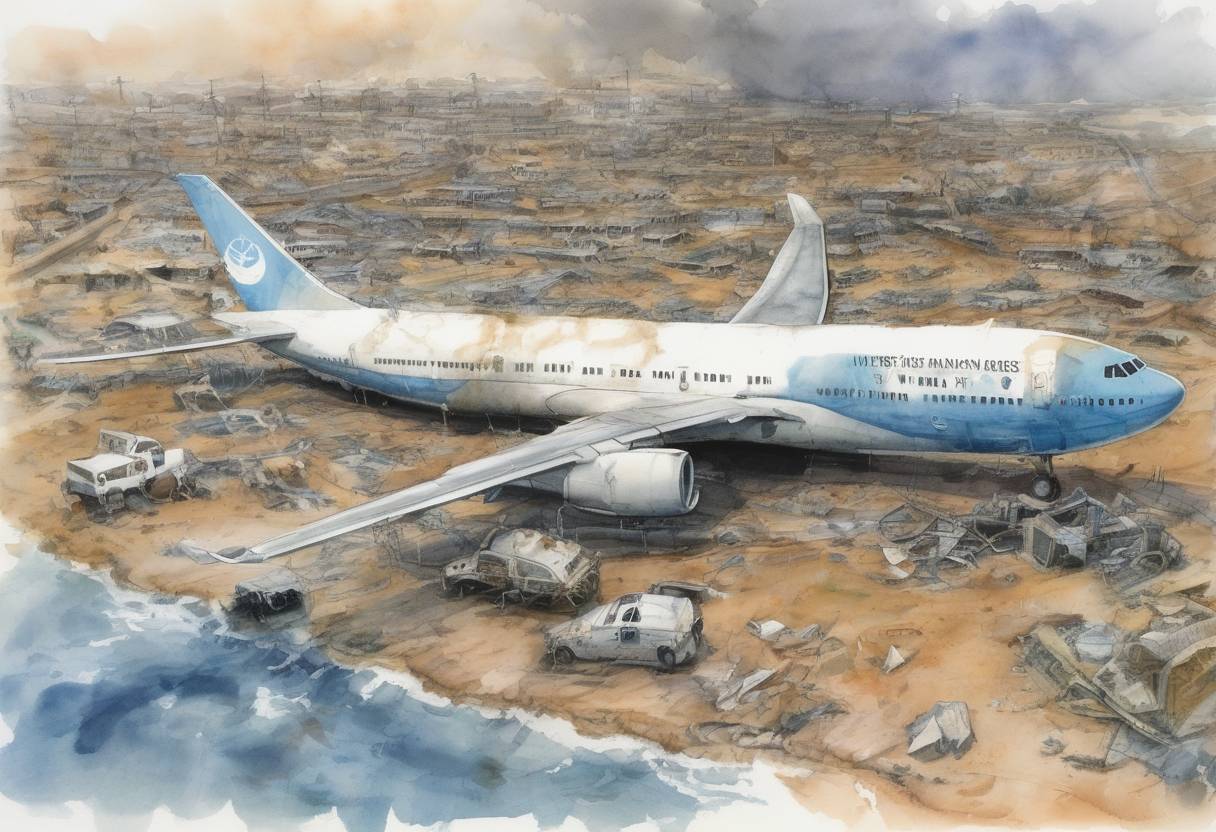
Lifting of Sanctions Against Libya - August 30, 2003
On August 30, 2003, the United Nations Security Council voted to lift sanctions against Libya, marking a significant turning point in international relations with the North African nation. This decision followed Libya’s acceptance of responsibility for the 1988 bombing of Pan Am Flight 103 over Lockerbie, Scotland, and its agreement to compensate the victims’ families.
Background
Pan Am Flight 103 Bombing: On December 21, 1988, Pan Am Flight 103, en route from London to New York, exploded over Lockerbie, Scotland, killing all 259 passengers and crew on board, along with 11 people on the ground. The attack was one of the deadliest acts of terrorism in aviation history.
International Response: In response to the bombing, the United Nations imposed sanctions on Libya in 1992, demanding that Libya surrender suspects for trial, cooperate with investigations, and pay compensation to the victims’ families.
Key Developments Leading to the Lifting of Sanctions
Trial and Conviction: In 1999, after years of diplomatic negotiations, Libya handed over two suspects for trial in the Netherlands under Scottish law. In 2001, one of the suspects, Abdelbaset al-Megrahi, was convicted of murder, while the other was acquitted.
Libya’s Acceptance of Responsibility: In August 2003, Libya formally accepted responsibility for the actions of its officials in the bombing, a crucial step in addressing international demands.
Compensation Agreement: Libya agreed to pay \(2.7 billion in compensation to the families of the victims, amounting to approximately \)10 million per family.
The Security Council’s Decision
Resolution 1506: On August 30, 2003, the UN Security Council adopted Resolution 1506, which lifted the sanctions imposed on Libya. The resolution was passed with 13 votes in favor, none against, and two abstentions (from the United States and France).
Impact of the Decision: The lifting of sanctions allowed Libya to re-enter the international community, paving the way for improved diplomatic and economic relations. It also marked a significant step in Libya’s efforts to rehabilitate its international image and pursue economic reforms.
Aftermath and Historical Significance
Libya’s Reintegration: The lifting of sanctions facilitated Libya’s reintegration into the global economy and international diplomacy. It led to increased foreign investment and the normalization of relations with Western countries.
Broader Implications: The resolution of the Lockerbie case and the lifting of sanctions demonstrated the effectiveness of diplomatic negotiations and international pressure in addressing state-sponsored terrorism. It also highlighted the potential for nations to change course and seek reconciliation with the international community.
The events surrounding the lifting of sanctions against Libya in 2003 underscore the complexities of international diplomacy and the long-lasting impacts of acts of terrorism on global relations.