The Tucson Shooting: January 8, 2011
2011 · Tucson, United States
A mass shooting occurs in Tucson, Arizona, where U.S. Representative Gabrielle Giffords is shot and six people are killed, including a federal judge and a nine-year-old girl.
February 26, 2012
Trayvon Martin, an unarmed African American teenager, was fatally shot by George Zimmerman in Sanford, Florida, leading to nationwide protests and debates over racial profiling and gun laws in the United States.
Sanford, United States | none
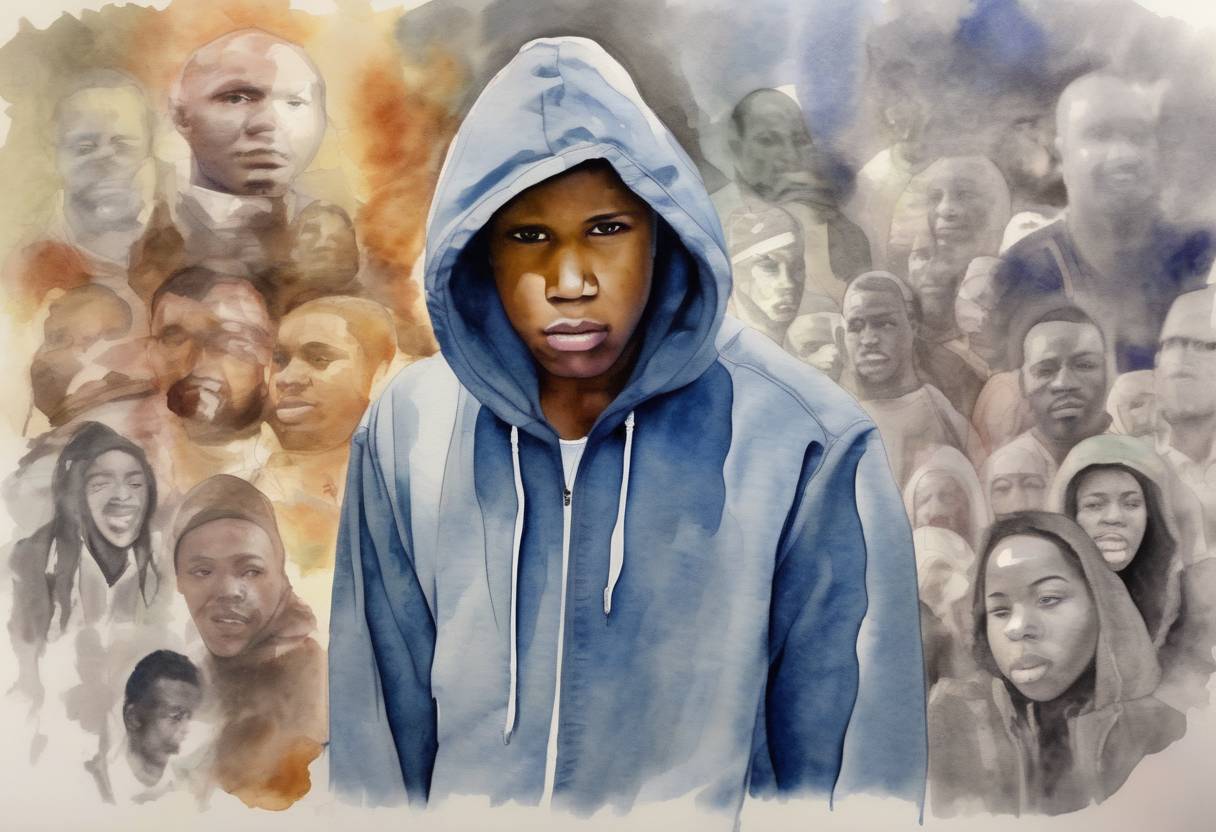
On February 26, 2012, Trayvon Martin, a 17-year-old African American teenager, was fatally shot by George Zimmerman in Sanford, Florida. This incident sparked nationwide protests and intense debates over racial profiling, gun laws, and civil rights in the United States.
Trayvon Martin was visiting his father in Sanford, Florida, during a school suspension. On the evening of February 26, he walked to a nearby convenience store to purchase snacks. As he returned to his father’s fiancée’s home in the gated community of The Retreat at Twin Lakes, he was spotted by George Zimmerman, a neighborhood watch volunteer.
Zimmerman, who was armed with a 9mm handgun, called the Sanford Police Department to report what he considered a suspicious person in the neighborhood. Despite being advised by the dispatcher not to follow Martin, Zimmerman left his vehicle and pursued him on foot. A confrontation ensued, resulting in Zimmerman shooting Martin in the chest.
Initially, Zimmerman was not charged, as he claimed self-defense under Florida’s “Stand Your Ground” law. The lack of immediate charges led to public outcry and protests across the nation, highlighting issues of racial profiling and the treatment of African Americans by the justice system.
In April 2012, following widespread media coverage and public pressure, Zimmerman was charged with second-degree murder and manslaughter. His trial began in June 2013, and on July 13, 2013, Zimmerman was acquitted of all charges, a verdict that further fueled national debates and protests.
The shooting and subsequent trial had significant social and political ramifications:
Racial Profiling and Civil Rights: The case became a focal point for discussions on racial profiling and the broader issues of systemic racism in the United States.
Gun Laws: It brought attention to “Stand Your Ground” laws, prompting debates about their implications and calls for legal reforms.
Black Lives Matter Movement: The incident is often cited as a catalyst for the Black Lives Matter movement, which seeks to address and combat racial injustice and police violence.
The tragic death of Trayvon Martin remains a pivotal moment in American history, symbolizing the ongoing struggle for racial equality and justice. It continues to influence discussions on race relations, legal practices, and civil rights activism in the United States.
Source: en.wikipedia.org