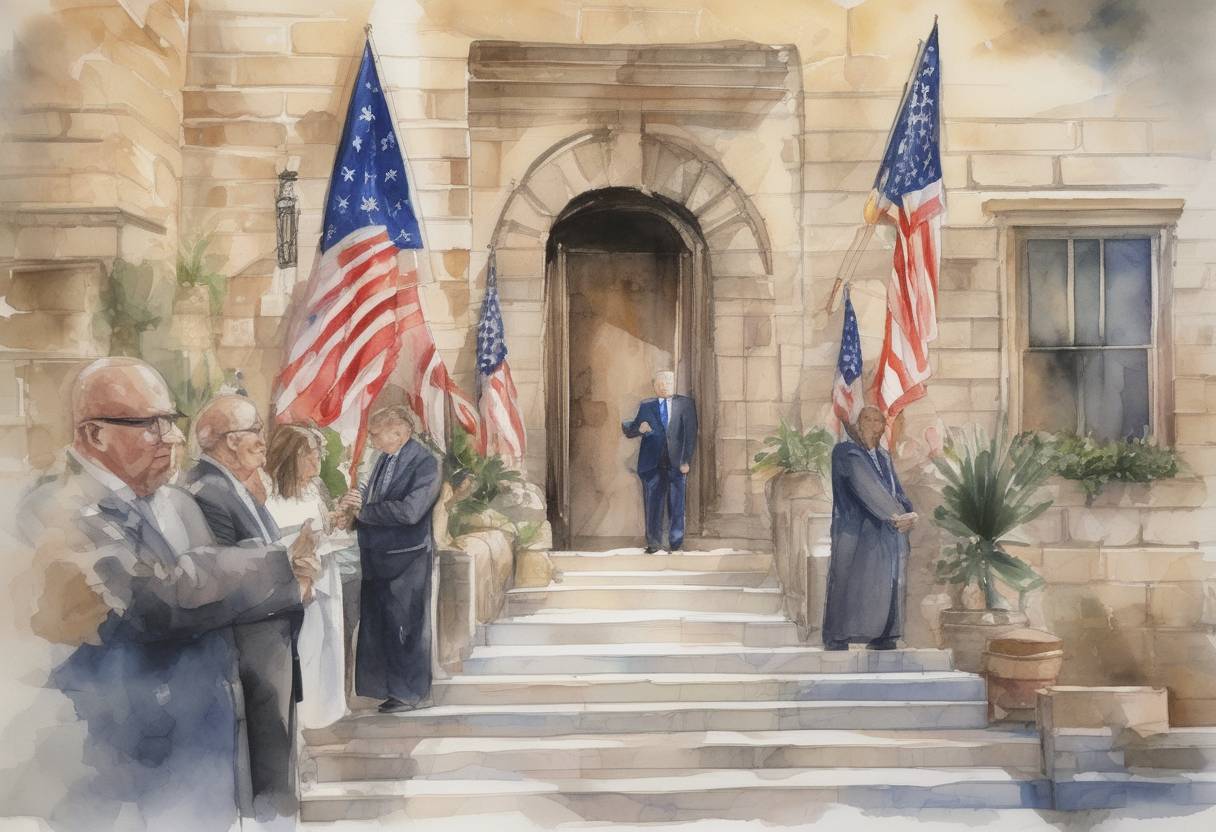
Opening of the U.S. Embassy in Jerusalem - May 16, 2018
On May 16, 2018, the United States officially opened its embassy in Jerusalem, marking a significant shift in American foreign policy. This event followed President Donald Trump’s announcement on December 6, 2017, recognizing Jerusalem as the capital of Israel, a decision that reversed decades of U.S. policy and sparked widespread international controversy and protests.
Context and Background
- Historical Context: Jerusalem holds profound religious and historical significance for Jews, Christians, and Muslims. Since the establishment of Israel in 1948, the city’s status has been a contentious issue in Israeli-Palestinian relations.
- Previous U.S. Policy: Prior to this decision, the U.S. and most other countries maintained their embassies in Tel Aviv, reflecting the international consensus that Jerusalem’s final status should be determined through peace negotiations.
- Trump’s Announcement: On December 6, 2017, President Trump announced the U.S. recognition of Jerusalem as Israel’s capital and directed the State Department to begin preparations for moving the U.S. Embassy from Tel Aviv to Jerusalem.
The Embassy Opening
- Ceremony: The embassy opening ceremony took place in the Arnona neighborhood of Jerusalem, attended by U.S. and Israeli officials, including Ivanka Trump, Jared Kushner, and Israeli Prime Minister Benjamin Netanyahu.
- Protests and Violence: The move was met with significant opposition. On the day of the embassy opening, protests erupted in the Gaza Strip, leading to violent clashes between Palestinian demonstrators and Israeli forces. Reports indicated that dozens of Palestinians were killed and hundreds injured.
International Reaction
- Support and Criticism: The decision was praised by Israel and some U.S. allies but condemned by many countries and international organizations. Critics argued that the move undermined the peace process and violated international law.
- United Nations Response: The United Nations General Assembly passed a resolution condemning the U.S. decision, with 128 countries voting in favor, 9 against, and 35 abstaining.
Aftermath and Consequences
- Impact on Peace Process: The embassy move further complicated the Israeli-Palestinian peace process, with Palestinian leaders refusing to engage with U.S.-led peace efforts.
- Regional Tensions: The decision heightened tensions in the Middle East, with increased protests and diplomatic strains between the U.S. and several countries in the region.
- Long-term Implications: The relocation of the embassy has had lasting implications for U.S. foreign policy in the Middle East, influencing subsequent diplomatic relations and peace negotiations.
The opening of the U.S. Embassy in Jerusalem remains a pivotal moment in the history of U.S.-Middle East relations, reflecting broader geopolitical dynamics and the complexities of the Israeli-Palestinian conflict.