Publication of *Pride and Prejudice* by Jane Austen
1813 · London, United Kingdom
Pride and Prejudice by Jane Austen is first published in the United Kingdom.
November 24, 1877
Anna Sewell's novel 'Black Beauty' is published, becoming one of the best-selling books of all time.
London, United Kingdom | Jarrold & Sons
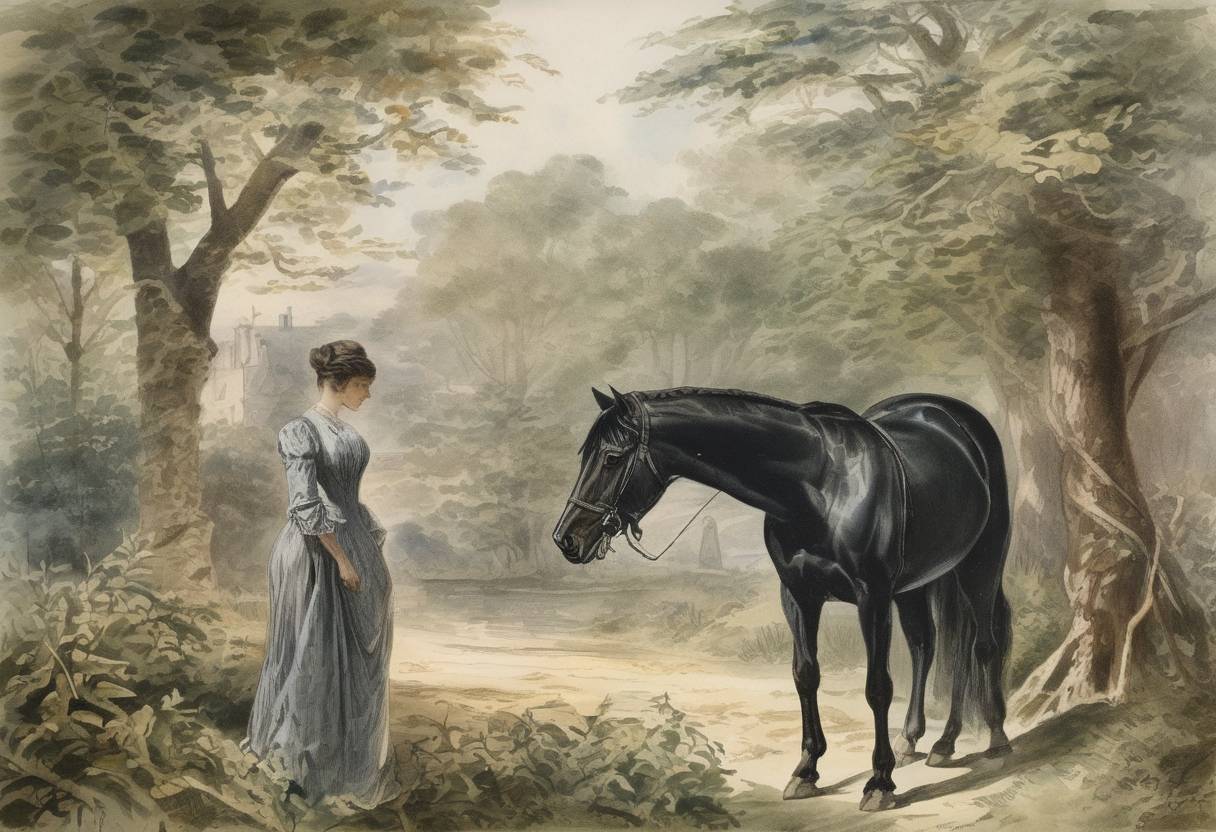
On November 24, 1877, Anna Sewell’s novel Black Beauty was published, marking the beginning of its journey to becoming one of the best-selling books of all time. This seminal work is notable not only for its commercial success but also for its profound impact on animal welfare and literature.
Anna Sewell was born in 1820 in Great Yarmouth, England. Despite suffering from a debilitating illness that left her unable to walk without assistance, Sewell was a passionate advocate for animal welfare, particularly concerning the treatment of horses. Her experiences and observations of the harsh conditions faced by working horses in Victorian England inspired her to write Black Beauty.
Black Beauty is unique in its narrative style, as it is told from the perspective of a horse. This first-person equine narrative provides a vivid and empathetic portrayal of the life of a horse, detailing its experiences from birth to old age. The novel is structured as an autobiography, chronicling Black Beauty’s journey through various owners, some kind and others cruel, highlighting the importance of humane treatment of animals.
The novel addresses several themes, including:
Black Beauty was an immediate success, resonating with readers and critics alike. It played a significant role in raising awareness about animal cruelty and contributed to the eventual establishment of animal protection laws. The novel has been translated into numerous languages and adapted into various films and television series, ensuring its continued influence and relevance.
Anna Sewell, unfortunately, did not live to see the full impact of her work, as she passed away just five months after its publication. However, her legacy endures through the ongoing popularity of Black Beauty and its lasting contribution to animal welfare advocacy.
In summary, the publication of Black Beauty on November 24, 1877, marked a pivotal moment in literary history, with its enduring message of compassion and empathy continuing to inspire generations.
Source: en.wikipedia.org