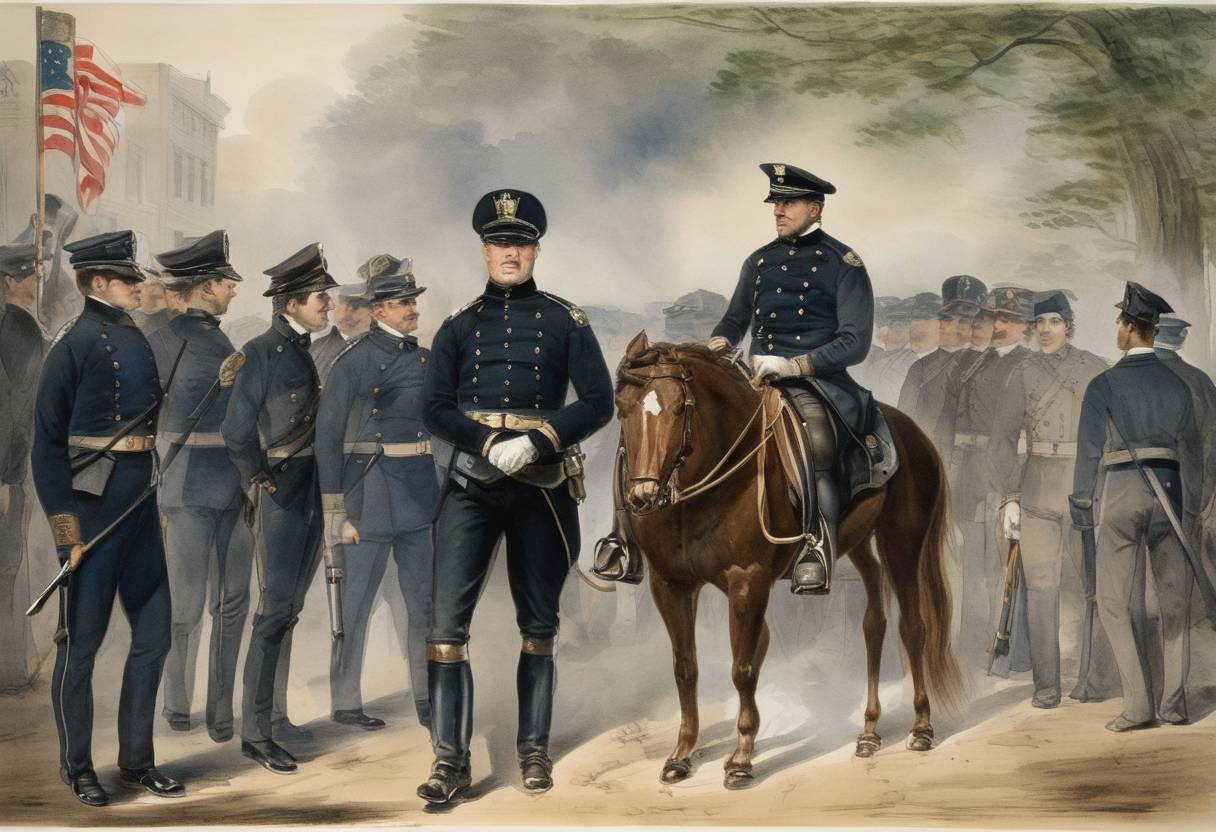
On September 1, 1838, the city of Boston established the first modern, organized police force in the United States. This significant development marked the beginning of a new era in American law enforcement and served as a model for other cities across the nation.
Context and Background
Prior to the establishment of the Boston Police Department, law enforcement in American cities was generally managed by a combination of elected officials, watchmen, and constables. This system was informal and often ineffective, leading urban areas to struggle with increasing crime rates amid rapid industrialization and urbanization during the early 19th century.
Key Events Leading to the Establishment
- Industrialization and Urbanization: As Boston grew into a bustling industrial center, crime rates began to rise significantly. The existing law enforcement arrangements proved inadequate for maintaining order and ensuring public safety.
- Public Demand for Reform: Citizens and local leaders demanded a more structured and professional approach to policing. This included the establishment of a dedicated, full-time police force that could effectively enforce laws and maintain public order.
The Boston Police Department
- Formation and Structure: Instituted as a municipally funded organization, the Boston Police Department was modeled after the London Metropolitan Police, which had been established in 1829. This new force included a team of officers who were hired, trained, and tasked with patrolling the city on a regular basis.
- Professionalization: Officers wore uniforms to signify their official status and role, patrolled assigned areas to deter criminal activity, and responded to incidents as they occurred, laying the groundwork for modern policing practices.
Impact and Significance
- Blueprint for Modern Policing: The establishment of the Boston Police Department set a precedent for other cities across the United States. By 1845, New York City followed suit, creating its own full-time police force. Over time, the model was adopted in cities throughout the nation.
- Evolution of Policing: The introduction of a standardized and professional police force marked a crucial shift from community-based watch systems to organized law enforcement agencies. This transition was fundamental in the development of modern police departments that focus on crime prevention, law enforcement, and community relations.
Legacy
Today, the establishment of the Boston Police Department on September 1, 1838, is recognized as a pivotal moment in the history of law enforcement in the United States, as it laid the groundwork for the professional standards and methods that would become integral to policing nationwide.