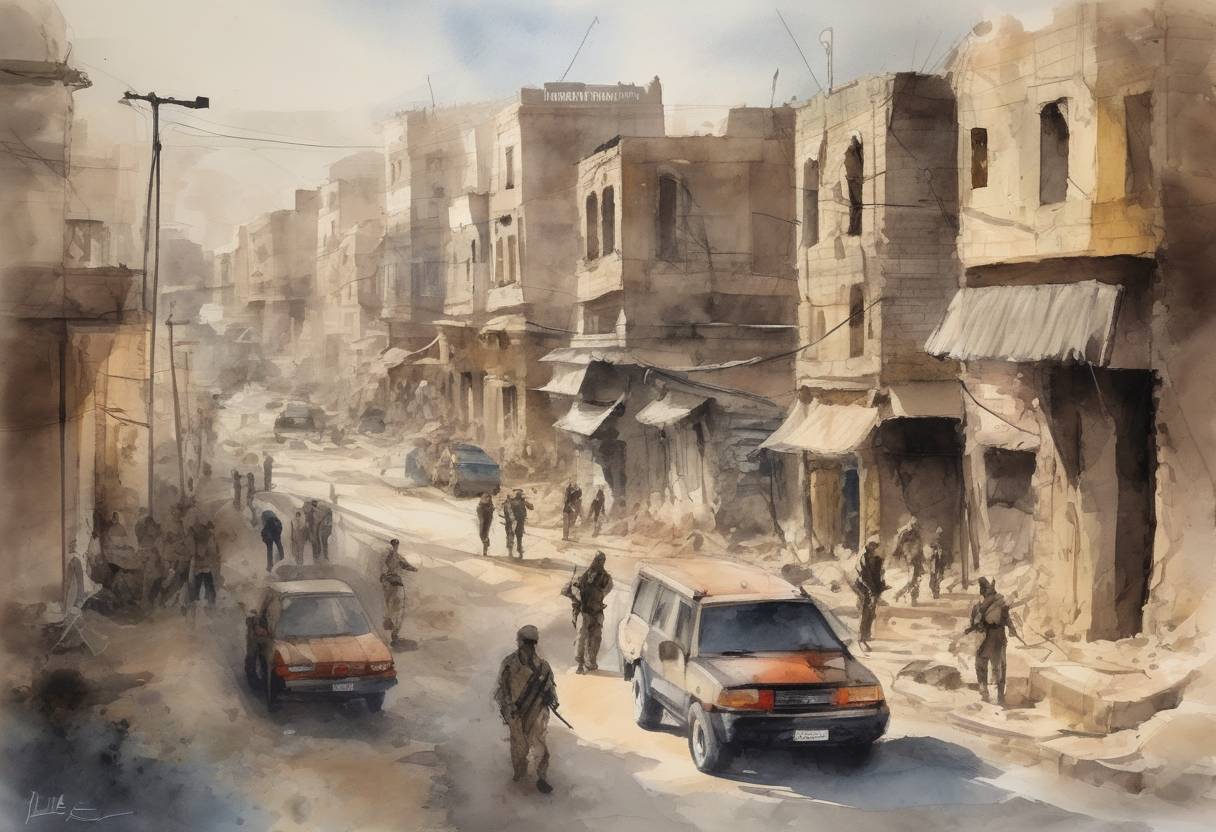
Capture of Mosul by ISIL - June 10, 2014
On June 10, 2014, the Islamic State of Iraq and the Levant (ISIL), also known as ISIS, captured the Iraqi city of Mosul, marking a pivotal moment in the Iraqi conflict and significantly escalating the group’s influence in the region.
Background
The roots of ISIL’s rise can be traced back to the instability following the U.S.-led invasion of Iraq in 2003, which dismantled the existing power structures and led to sectarian violence. The group, originally an offshoot of al-Qaeda in Iraq, capitalized on the chaos and sectarian divisions to expand its influence.
By 2014, ISIL had already gained control over significant territories in Syria, exploiting the civil war there. The group aimed to establish a caliphate across the Middle East, governed by its strict interpretation of Islamic law.
The Capture of Mosul
Mosul, Iraq’s second-largest city, fell to ISIL forces after a rapid and overwhelming assault. The attack began on June 6, 2014, and within days, ISIL fighters had overrun the city’s defenses. The Iraqi army, plagued by low morale, corruption, and inadequate leadership, largely collapsed in the face of the assault. Many soldiers abandoned their posts, leaving behind weapons and equipment that ISIL quickly seized.
The fall of Mosul was not just a military victory for ISIL but also a significant propaganda success. It demonstrated the group’s capability to capture and hold major urban centers, further bolstering its recruitment efforts.
Consequences
Territorial Expansion: The capture of Mosul allowed ISIL to control vast swathes of territory in northern Iraq, including key infrastructure and resources. This territorial gain provided the group with financial resources, including access to banks and oil fields.
Humanitarian Crisis: The takeover led to a massive humanitarian crisis, with hundreds of thousands of residents fleeing the city. Reports of atrocities, including mass executions and severe human rights abuses, emerged as ISIL imposed its harsh rule.
Global Response: The fall of Mosul prompted a significant international response. The United States and its allies began a military campaign to counter ISIL, leading to years of airstrikes and support for local ground forces in Iraq and Syria.
Iraqi Government Challenges: The event highlighted the weaknesses within the Iraqi government and military, prompting efforts to reform and strengthen these institutions. It also intensified sectarian tensions within the country.
Aftermath
The capture of Mosul marked the beginning of a prolonged and bloody conflict to reclaim the city and other territories from ISIL. It wasn’t until July 2017 that Iraqi forces, with international support, successfully recaptured Mosul after a grueling nine-month battle, marking a significant turning point in the fight against ISIL.
The events surrounding the capture of Mosul underscore the complexities of Middle Eastern geopolitics and the challenges of combating extremist groups in the region. The repercussions of ISIL’s rise and the subsequent conflict continue to affect Iraq and the broader Middle East to this day.