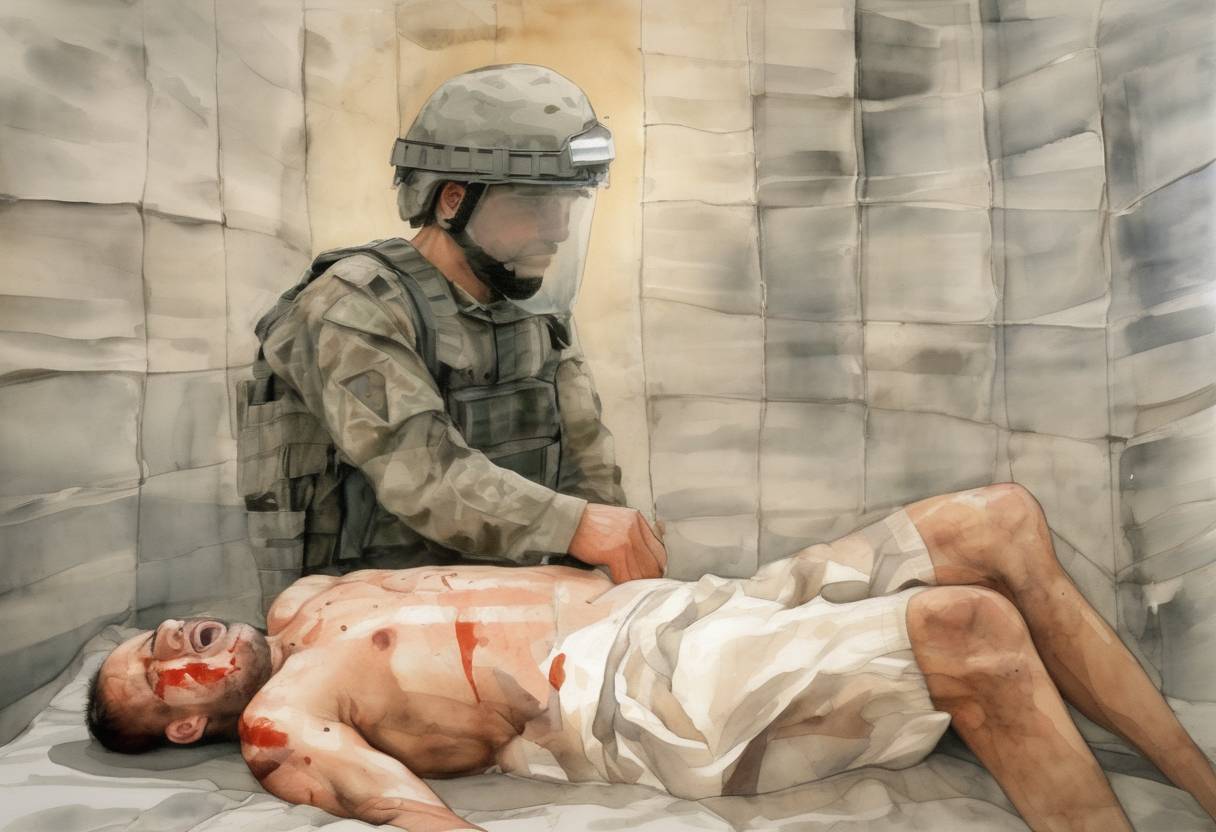
The Abu Ghraib Torture Scandal
On April 28, 2004, the Abu Ghraib torture scandal came to public attention when CBS News aired photographs depicting the abuse of Iraqi prisoners by American military personnel. This broadcast marked a pivotal moment in the Iraq War, revealing severe misconduct by U.S. forces and sparking global outrage.
Background
Abu Ghraib prison, located near Baghdad, Iraq, was initially used by Saddam Hussein’s regime to detain and torture political prisoners. After the U.S.-led invasion of Iraq in 2003, the prison was repurposed by American forces as a detention facility for individuals suspected of insurgency and terrorism.
The Scandal
The scandal erupted when CBS News aired images showing U.S. military personnel subjecting Iraqi detainees to inhumane treatment. The photographs depicted prisoners being physically and sexually abused, hooded, and stacked in human pyramids. These images were part of a larger set of evidence collected during an internal investigation by the U.S. Army.
- Lynndie England: A U.S. Army Reserve soldier who appeared in several of the infamous photographs, England became one of the most recognizable figures associated with the scandal.
- Charles Graner: Another key figure, Graner was identified as a ringleader in the abuse and was later convicted of multiple charges related to the scandal.
Consequences
The release of the photographs led to widespread condemnation from international human rights organizations, governments, and the general public. The scandal had several significant consequences:
Legal and Disciplinary Actions: Several U.S. military personnel were court-martialed and received prison sentences for their roles in the abuse. The highest-ranking officer convicted was Colonel Janis Karpinski, who was demoted for dereliction of duty.
Policy and Oversight Changes: The scandal prompted the U.S. military to review and revise its detention and interrogation policies. It also led to increased scrutiny of the treatment of detainees in U.S. custody worldwide.
Impact on U.S. Reputation: The revelations severely damaged the United States’ reputation, particularly in the Middle East, undermining its moral authority and complicating its efforts in the region.
Public and Political Repercussions: The scandal fueled debates about the conduct of the Iraq War and the broader War on Terror, influencing public opinion and political discourse in the United States and abroad.
Broader Historical Significance
The Abu Ghraib scandal highlighted the challenges of maintaining ethical standards in military operations and the importance of accountability and transparency. It underscored the potential for abuses in wartime environments and the necessity of safeguarding human rights, even amidst conflict.
The incident remains a stark reminder of the complexities and moral dilemmas inherent in modern warfare, influencing subsequent discussions on military ethics and international law.