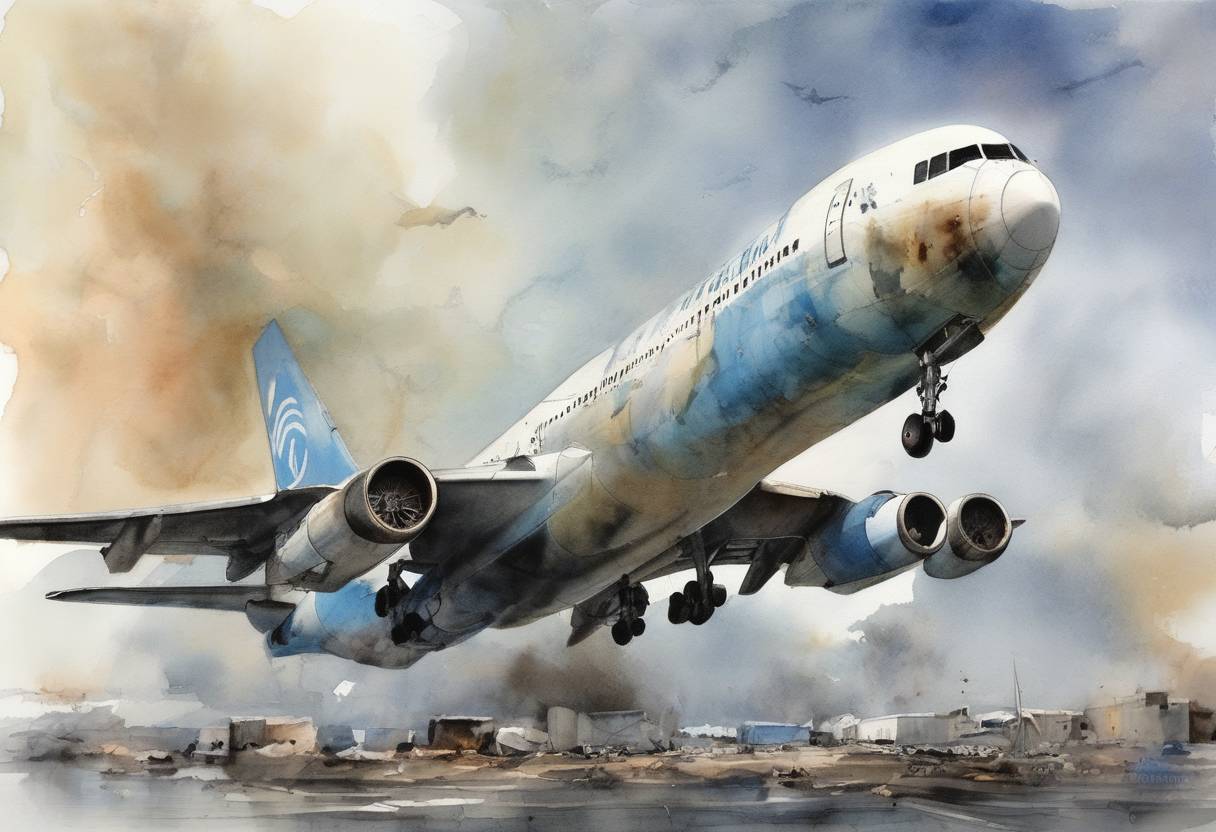
Lifting of Sanctions Against Libya - September 12, 2003
On September 12, 2003, the United Nations Security Council voted to lift sanctions against Libya, marking a significant development in international relations and the country’s reintegration into the global community. This decision followed Libya’s acceptance of responsibility for the 1988 bombing of Pan Am Flight 103 over Lockerbie, Scotland, and its agreement to compensate the victims’ families.
Background
Pan Am Flight 103 Bombing: On December 21, 1988, Pan Am Flight 103 exploded over Lockerbie, Scotland, killing all 259 passengers and crew on board, along with 11 people on the ground. The attack was one of the deadliest terrorist incidents involving an aircraft.
Initial Sanctions: In response to the bombing, the United Nations imposed sanctions on Libya in 1992. These included an arms embargo, a ban on air travel, and a freeze on certain financial assets, aimed at pressuring Libya to cooperate with investigations and extradite suspects.
Key Developments Leading to the Lifting of Sanctions
Libya’s Admission: In August 2003, Libya formally accepted responsibility for the bombing. This admission was part of a broader strategy by Libyan leader Muammar Gaddafi to end Libya’s international isolation and improve relations with Western countries.
Compensation Agreement: Libya agreed to pay \(2.7 billion in compensation to the families of the victims, amounting to approximately \)10 million per victim. This financial settlement was a crucial factor in the decision to lift sanctions.
Diplomatic Negotiations: The lifting of sanctions was facilitated by extensive diplomatic negotiations, involving the United States, the United Kingdom, and other key international players. These discussions were aimed at ensuring Libya’s compliance with international demands and securing justice for the victims’ families.
The United Nations Security Council Vote
- On September 12, 2003, the UN Security Council voted 13-0 in favor of lifting the sanctions, with France and the United States abstaining. The abstentions were due to ongoing concerns about other unresolved issues, including Libya’s role in other terrorist activities and its weapons programs.
Aftermath and Historical Significance
Reintegration into the International Community: The lifting of sanctions marked a turning point for Libya, allowing it to re-engage with the global economy and international institutions. It also paved the way for improved diplomatic relations with Western countries.
Impact on International Relations: The resolution of the Lockerbie case demonstrated the potential for diplomatic solutions to longstanding international disputes. It highlighted the effectiveness of sanctions as a tool for achieving compliance with international norms.
Legacy of the Lockerbie Bombing: The events surrounding the Lockerbie bombing and its aftermath continue to influence international policies on terrorism and aviation security. The case remains a poignant reminder of the impact of terrorism on global security and the importance of international cooperation in addressing such threats.
In summary, the lifting of UN sanctions against Libya on September 12, 2003, was a significant milestone in international diplomacy, reflecting Libya’s efforts to address past grievances and rejoin the global community.