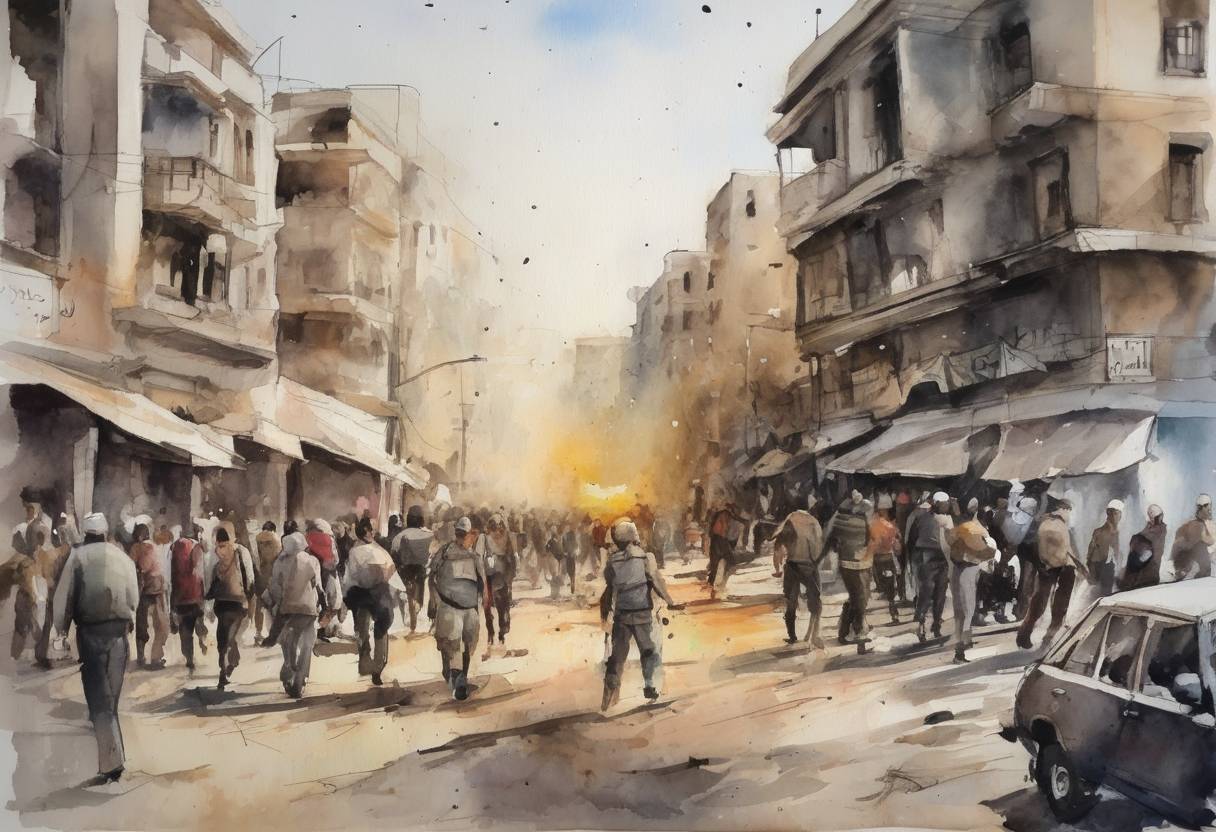
The Beginning of the Syrian Civil War: March 25, 2011
The Syrian Civil War, a conflict that would have profound implications both regionally and globally, is widely considered to have begun on March 25, 2011, with large-scale protests erupting in several Syrian cities, most notably in Daraa. This date marks a significant escalation in the unrest that had been simmering in Syria, inspired by the broader wave of the Arab Spring that swept across the Middle East and North Africa.
Context Leading Up to the Protests
The Arab Spring, which began in late 2010, saw a series of anti-government protests and uprisings across the Arab world. These movements were largely driven by demands for political reform, economic opportunities, and an end to corruption and authoritarian rule. In Syria, these sentiments were compounded by longstanding grievances against the regime of President Bashar al-Assad, who had been in power since 2000, following the rule of his father, Hafez al-Assad.
Key Events on March 25, 2011
Protests in Daraa: The city of Daraa, located in southern Syria, became the focal point of the protests. Demonstrations began in response to the arrest and torture of a group of teenagers who had painted revolutionary slogans on a school wall. The harsh response by security forces, including the use of live ammunition, further fueled public anger.
Spread of Protests: As news of the events in Daraa spread, protests erupted in other cities, including Damascus, Homs, and Aleppo. Demonstrators called for political freedoms, the release of political prisoners, and an end to the state of emergency that had been in place since 1963.
Government Response: The Assad regime responded with a combination of concessions and crackdowns. While some political prisoners were released and minor reforms were promised, the government also intensified its security measures, leading to increased violence.
Broader Historical Significance
The events of March 25, 2011, marked the beginning of a conflict that would evolve into a complex and multifaceted civil war. The Syrian Civil War has resulted in a humanitarian crisis, with hundreds of thousands of deaths and millions displaced. It has also drawn in numerous international actors, including the United States, Russia, Iran, and various non-state groups, each with their own interests and agendas.
The conflict has had significant regional implications, contributing to instability in neighboring countries and exacerbating sectarian tensions. Globally, it has sparked debates over intervention, refugee policies, and the international community’s responsibility to protect civilians.
Aftermath and Consequences
Humanitarian Impact: The war has led to one of the largest refugee crises in modern history, with millions of Syrians seeking asylum in neighboring countries and beyond.
Geopolitical Shifts: The conflict has altered the geopolitical landscape of the Middle East, with shifting alliances and the rise of extremist groups like ISIS.
Ongoing Conflict: As of 2023, the conflict in Syria remains unresolved, with various factions controlling different parts of the country and ongoing international involvement.
The Syrian Civil War is a stark reminder of the complexities of modern conflicts and the far-reaching impacts of political unrest. The events of March 25, 2011, serve as a pivotal moment in understanding the trajectory of this devastating war.