Formation of the Yukon Territory: June 13, 1898
1898 · Dawson City, Canada
The Yukon Territory was officially formed in Canada, separating it from the Northwest Territories, in response to the Klondike Gold Rush.
August 16, 1896
Gold was discovered in Bonanza Creek, a tributary of the Klondike River, leading to the Klondike Gold Rush.
Bonanza Creek, Canada | Prospectors
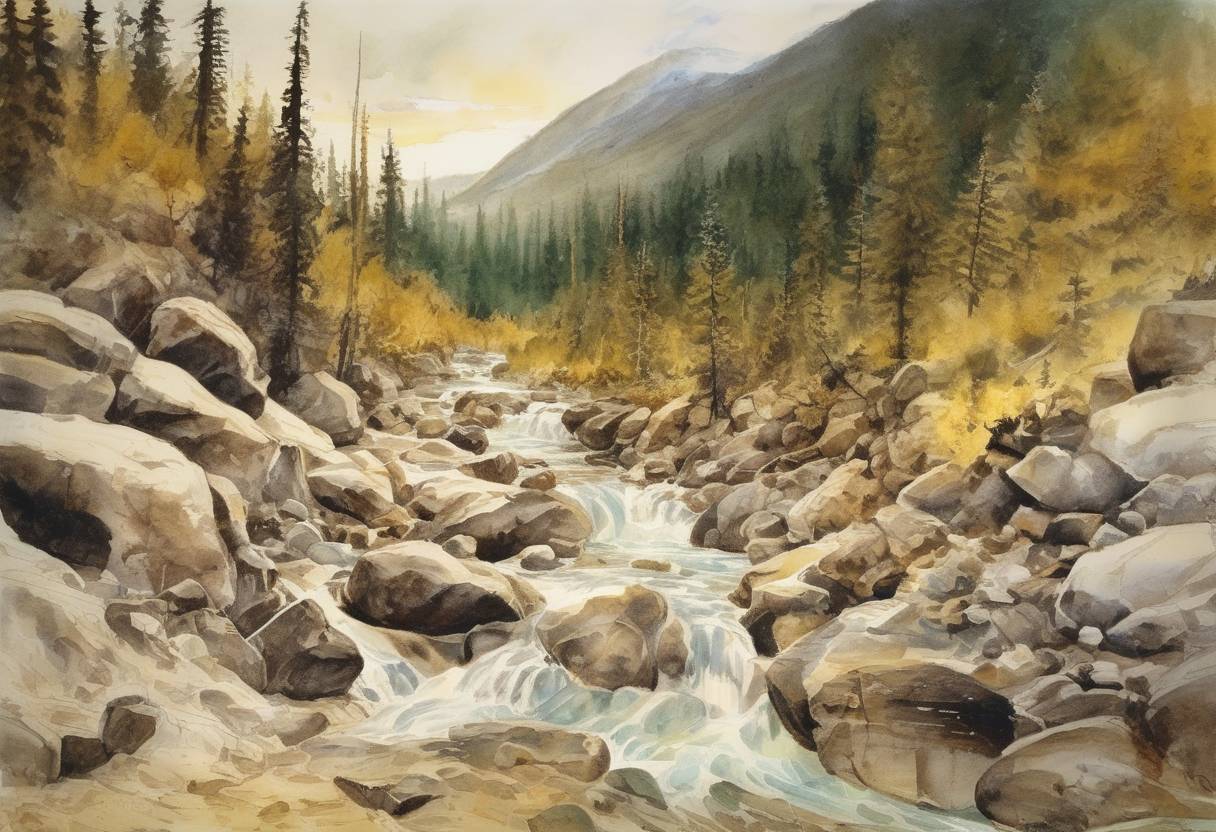
On August 16, 1896, a significant event occurred that would lead to one of the most famous gold rushes in history—the Klondike Gold Rush. Gold was discovered in Bonanza Creek, a tributary of the Klondike River, located in the Yukon Territory of Canada. This discovery set off a massive influx of prospectors and fortune seekers, forever changing the region and impacting the course of North American history.
Prior to the discovery, the Yukon region was largely unexplored by non-Indigenous people. The area was inhabited by the Hän people, who had lived there for thousands of years. The late 19th century was a period of intense exploration and prospecting in North America, with previous gold rushes in California (1848-1855) and the Cariboo region of British Columbia (1860s) fueling the ambitions of many.
The discovery of gold in Bonanza Creek is credited to George Carmack, along with his wife Kate Carmack, her brother Skookum Jim Mason, and their nephew Dawson Charlie. While there are varying accounts of who exactly found the first gold nugget, it is generally accepted that this group collectively made the discovery. They were prospecting in the area when they found gold in Rabbit Creek, which was later renamed Bonanza Creek due to the richness of the find.
News of the discovery reached the outside world in 1897, when miners arrived in Seattle and San Francisco with bags of gold. This sparked what became known as the Klondike Gold Rush, as thousands of prospectors, known as “stampeders,” made the arduous journey to the Klondike region. The journey was fraught with peril, involving treacherous terrain, harsh weather, and the infamous Chilkoot and White Pass trails.
Population Boom: The town of Dawson City, located near the confluence of the Klondike and Yukon Rivers, rapidly grew from a small settlement to a bustling city of over 30,000 people at the height of the gold rush.
Economic Impact: The gold rush brought significant economic activity to the region, with businesses and services springing up to support the influx of prospectors. However, many who arrived found that the best claims were already taken, and only a few struck it rich.
Cultural and Environmental Effects: The gold rush had profound effects on the Indigenous populations, disrupting traditional ways of life and leading to significant cultural changes. The environmental impact was also considerable, with mining activities altering landscapes and ecosystems.
End of the Rush: By 1899, the Klondike Gold Rush had largely ended as gold discoveries in Nome, Alaska, drew prospectors away. Many who had come to the Klondike left, and Dawson City’s population dwindled.
The Klondike Gold Rush remains a significant chapter in North American history, symbolizing the adventurous spirit of the era and the relentless pursuit of wealth. It contributed to the development of the Yukon Territory and highlighted the challenges and opportunities of frontier life. The stories of those who participated in the rush continue to capture the imagination, serving as a testament to human endurance and ambition.
The legacy of the Klondike Gold Rush is preserved in numerous historical sites and museums, ensuring that this pivotal moment in history is remembered and studied for generations to come.
Source: en.wikipedia.org