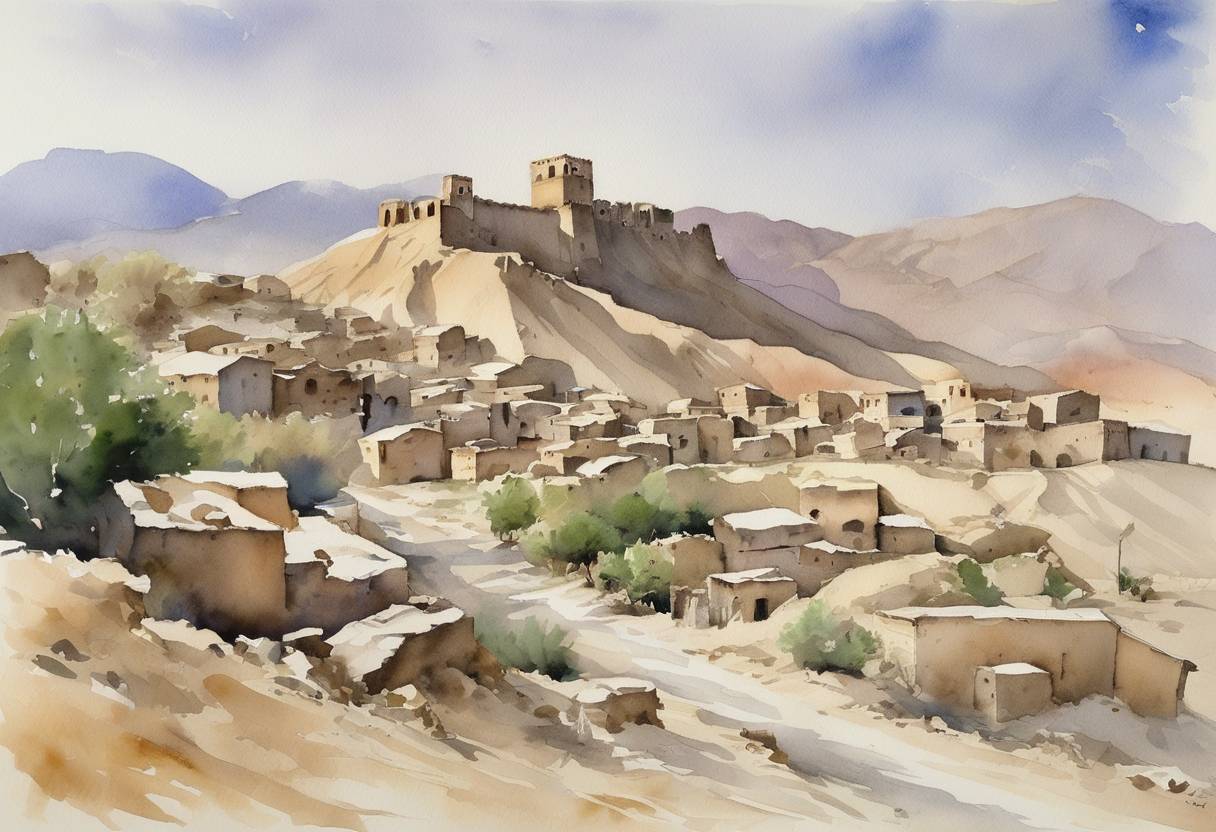
Earthquake in Northern Afghanistan - April 6, 2002
On April 6, 2002, a significant earthquake struck northern Afghanistan. Initially reported as having a magnitude of 7.9, it was later revised to approximately 5.9 on the moment magnitude scale. This seismic event caused widespread destruction in a region already grappling with the effects of prolonged conflict and instability.
Location and Impact
The earthquake’s epicenter was located near the Hindu Kush mountain range, a seismically active region known for frequent and often devastating quakes. The tremor primarily affected the Samangan Province, causing significant structural damage. Buildings, many ill-equipped to withstand seismic activity, collapsed, leading to considerable loss of life and injuries.
Casualties and Damage
Early reports indicated that the earthquake led to the unfortunate deaths of roughly 2,000 individuals, although subsequent assessments reflected slightly lower death tolls with continued search and rescue efforts. Thousands more were injured or left homeless, with entire communities facing the destruction of vital infrastructure, including homes, schools, and roads.
Response and Relief Efforts
The aftermath of the earthquake brought international attention and relief efforts to the affected areas. Humanitarian aid organizations and neighboring countries mobilized to provide essential supplies such as food, water, and medical assistance. The challenge of delivering aid was compounded by the region’s rugged terrain and damaged infrastructure.
Historical Context and Significance
This earthquake was one of several significant seismic events to strike Afghanistan, a country that has historically suffered from natural disasters due to its geographic location. The event highlighted the vulnerabilities of Afghan infrastructure and the dire need for seismic-resistant construction in the area.
Despite the challenges, the response to the April 6th earthquake underscored the resilience and solidarity within the international community and Afghanistan’s local response mechanisms to contend with such natural disasters amid ongoing societal challenges.