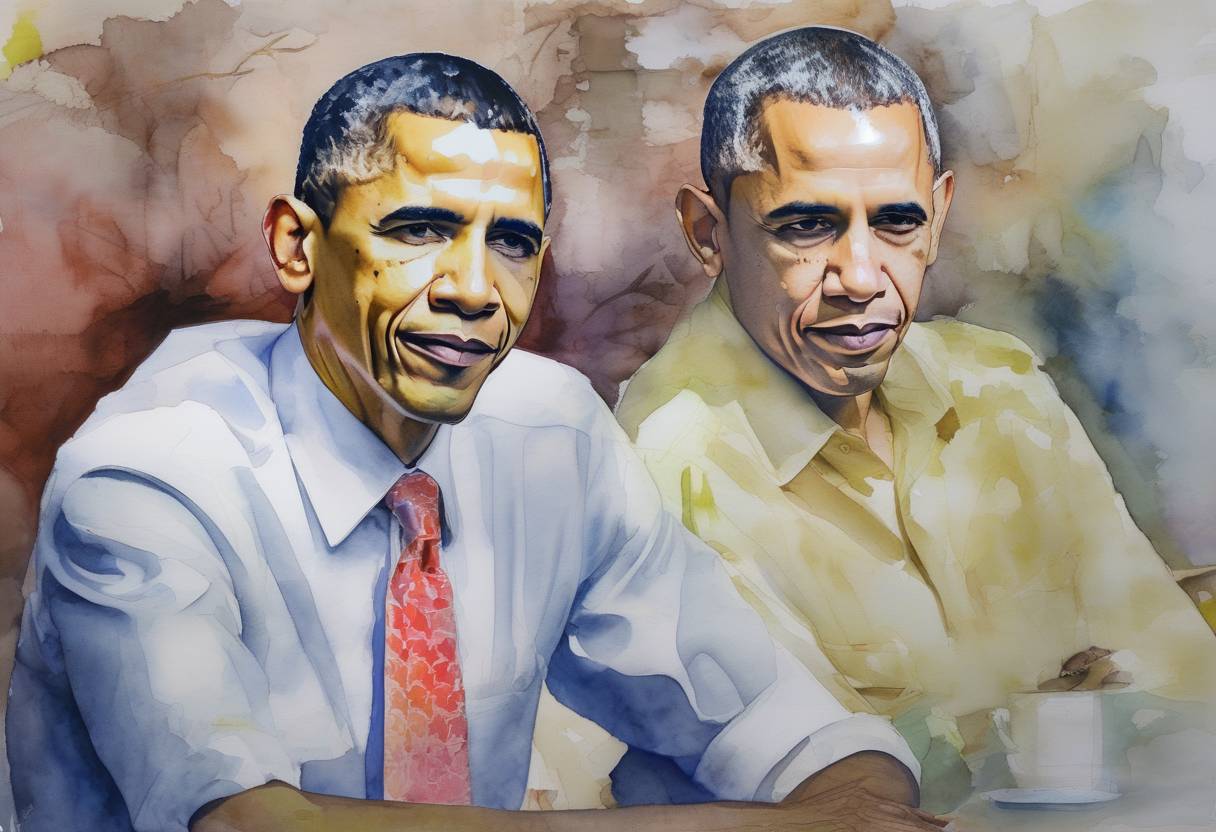
Normalization of U.S.-Cuba Relations: December 17, 2014
On December 17, 2014, U.S. President Barack Obama announced a historic shift in American foreign policy by initiating the process to normalize relations with Cuba. This marked the end of a 54-year period of hostility and estrangement between the two nations, which had been characterized by a strict embargo and limited diplomatic engagement.
Background
The strained relations between the United States and Cuba began in the early 1960s following the Cuban Revolution, which brought Fidel Castro to power. The U.S. government, opposing Castro’s communist regime, imposed an economic embargo on Cuba in 1960, and diplomatic ties were severed in 1961. The Cold War further entrenched the adversarial relationship, with events such as the Bay of Pigs invasion in 1961 and the Cuban Missile Crisis in 1962 exacerbating tensions.
Key Events Leading to the Announcement
Papal Mediation: The Vatican, under Pope Francis, played a crucial role in facilitating dialogue between the U.S. and Cuba. The Pope’s involvement underscored the importance of diplomatic and humanitarian considerations in the negotiations.
Secret Negotiations: For 18 months prior to the announcement, secret talks were held between U.S. and Cuban officials. These discussions were primarily hosted in Canada and involved high-level representatives from both countries.
Prisoner Exchange: On the day of the announcement, a significant prisoner exchange took place. The U.S. released three Cuban intelligence agents, while Cuba released American contractor Alan Gross and a Cuban who had spied for the U.S.
The Announcement
In a televised address, President Obama outlined the steps towards normalization, which included:
- Re-establishing Diplomatic Relations: Plans were set to reopen embassies in Washington, D.C., and Havana.
- Easing Travel and Trade Restrictions: While the embargo required congressional action to be fully lifted, Obama used executive authority to ease travel restrictions and allow for increased commercial and financial transactions.
- Facilitating Family Visits and Remittances: The policy changes aimed to enhance people-to-people contact and support the Cuban private sector.
Aftermath and Significance
The announcement was met with mixed reactions. Many praised the move as a pragmatic step towards ending an outdated policy and fostering better relations in the Western Hemisphere. Critics, however, argued that it conceded too much to the Cuban government without securing significant human rights improvements.
The normalization process led to several key developments:
- Embassy Reopenings: In July 2015, the U.S. and Cuba reopened their respective embassies.
- Presidential Visit: In March 2016, President Obama visited Cuba, becoming the first sitting U.S. president to do so since 1928.
- Economic and Cultural Exchanges: The thaw in relations facilitated increased tourism, cultural exchanges, and business opportunities.
Broader Historical Significance
The normalization of relations between the U.S. and Cuba represented a significant shift in American foreign policy, reflecting a broader trend towards engagement rather than isolation. It highlighted the potential for diplomacy to resolve longstanding conflicts and underscored the changing dynamics of international relations in the post-Cold War era.