Francis Gary Powers Charged with Espionage
1960 · Moscow, Soviet Union
Francis Gary Powers was charged with espionage by the Soviet Union after his U-2 spy plane was shot down over Soviet airspace.
June 27, 1954
The world's first nuclear power station, Obninsk Nuclear Power Plant, was connected to the power grid in Obninsk, Soviet Union.
Obninsk, Soviet Union | Soviet Union
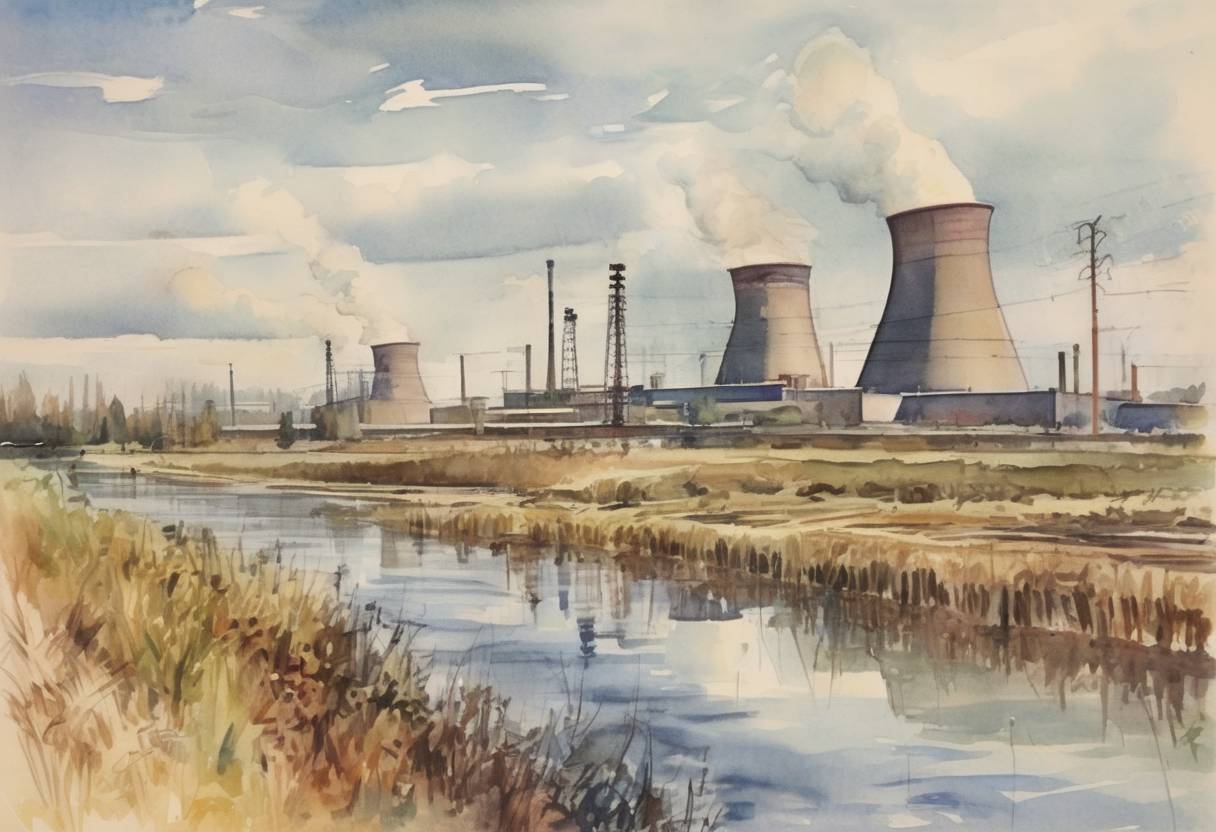
On June 27, 1954, the Obninsk Nuclear Power Plant in the Soviet Union was connected to the power grid, marking a significant milestone in the history of nuclear energy. This event is notable as it represents the world’s first nuclear power station to generate electricity for a power grid, ushering in the era of civilian nuclear power.
The development of nuclear technology during and after World War II primarily focused on military applications, particularly the creation of nuclear weapons. However, the potential for peaceful uses of nuclear energy was recognized early on. The Soviet Union, under the leadership of Joseph Stalin and later Nikita Khrushchev, was keen to demonstrate its scientific and technological prowess during the Cold War era.
The Obninsk plant’s connection to the power grid was a symbolic and practical demonstration of nuclear energy’s potential beyond military use. It paved the way for the development of larger and more efficient nuclear power plants worldwide. The success of Obninsk inspired further research and investment in nuclear technology, leading to the construction of numerous nuclear power stations across the globe.
The connection of the Obninsk Nuclear Power Plant to the power grid on June 27, 1954, stands as a landmark event in the history of energy, symbolizing the transition of nuclear technology from military to civilian applications and highlighting the dual nature of nuclear power as both a source of energy and a subject of ongoing debate.
Source: en.wikipedia.org