Nevada's Admission as the 36th U.S. State
1864 · Carson City, United States
Nevada is admitted as the 36th U.S. state.
June 20, 1863
West Virginia is admitted as the 35th state of the United States, following its separation from Virginia during the American Civil War.
Charleston, United States | U.S. Congress
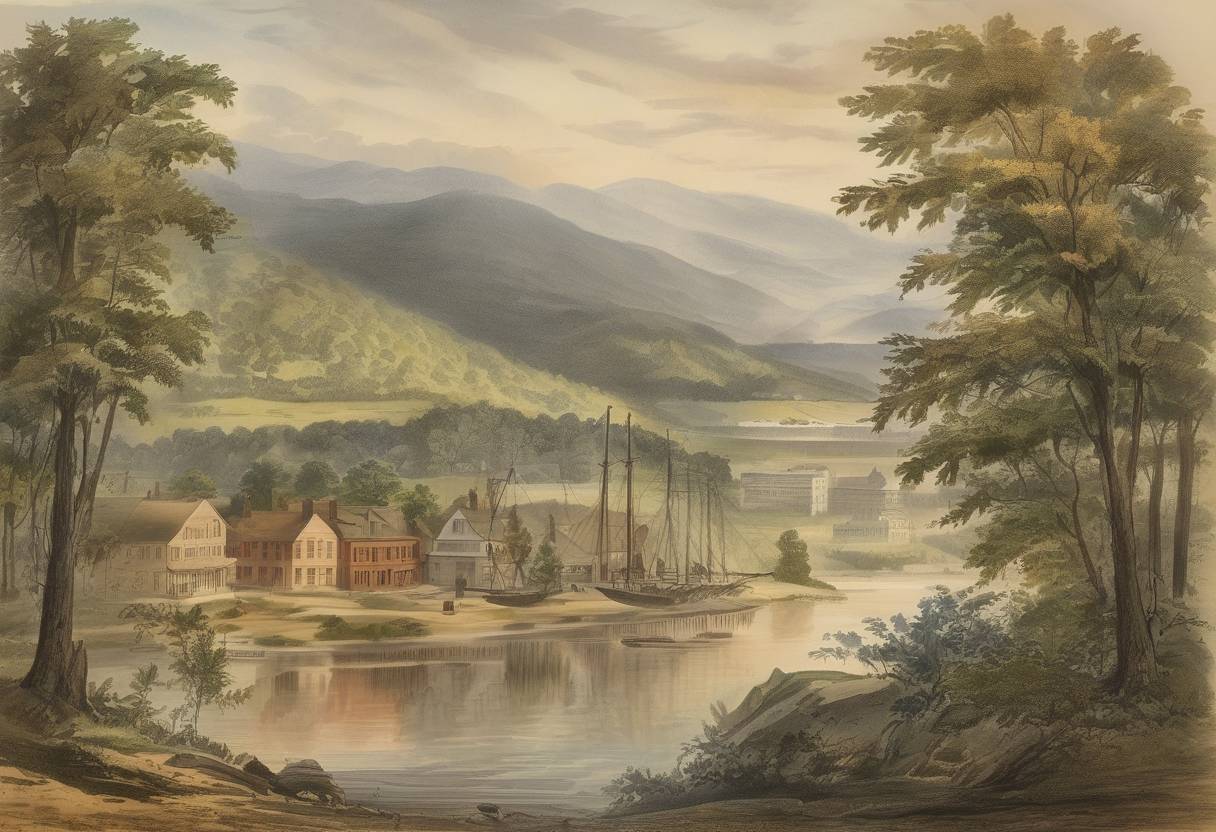
On June 20, 1863, West Virginia was officially admitted to the Union as the 35th state. This event marked a significant moment in American history, occurring amidst the tumultuous backdrop of the Civil War. The creation of West Virginia was a direct result of the secessionist tensions that divided the United States during this period.
Secession and Division: The American Civil War began in 1861 when several Southern states seceded from the Union to form the Confederate States of America. Virginia, a key Southern state, joined the Confederacy in April 1861. However, the western region of Virginia was characterized by different economic interests and political sentiments, largely due to its mountainous terrain and smaller slaveholding population.
Western Virginia’s Unionist Sentiment: Many residents in the western part of Virginia were opposed to secession and remained loyal to the Union. This loyalty was rooted in economic, cultural, and political differences from the eastern part of the state. The region’s economy was less reliant on slavery, and its people had longstanding grievances over political representation and infrastructure development.
Wheeling Conventions: In response to Virginia’s secession, Unionist leaders in the western counties convened the First and Second Wheeling Conventions in 1861. These gatherings were crucial in organizing resistance to the Confederate state government and laying the groundwork for the creation of a new state.
Formation of the Restored Government of Virginia: At the Wheeling Conventions, delegates established the Restored Government of Virginia, which was recognized by President Abraham Lincoln as the legitimate government of Virginia. This government supported the Union and facilitated the process of creating a new state.
Statehood Process: The Restored Government of Virginia authorized the formation of West Virginia. A statehood bill was passed by the U.S. Congress, and President Lincoln signed it into law on December 31, 1862. The new state was required to adopt a constitution that included a gradual emancipation clause for enslaved people.
Strategic Importance: West Virginia’s location was strategically important for the Union, providing control over key transportation routes and resources.
Legal and Political Precedents: The creation of West Virginia set legal and political precedents regarding the formation of new states and the limits of state secession.
Legacy: West Virginia’s statehood highlighted the complex regional and political dynamics within the United States during the Civil War. It remains a symbol of Unionist loyalty and the diverse political landscape of 19th-century America.
West Virginia’s admission as a state was a unique and complex process that underscored the deep divisions within the United States during the Civil War, while also demonstrating the federal government’s commitment to preserving the Union.
Source: en.wikipedia.org