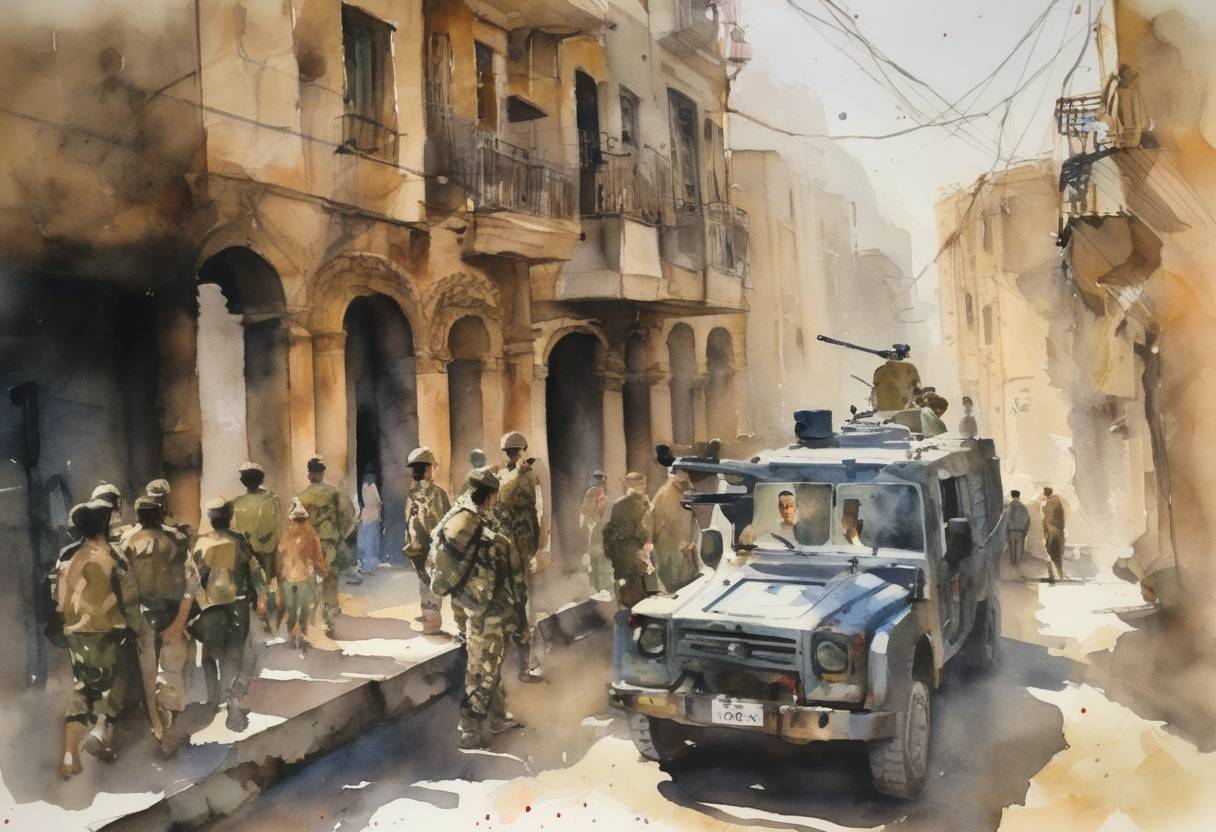
Syria Withdraws Troops from Lebanon: April 29, 2005
On April 29, 2005, Syria completed the withdrawal of its troops from Lebanon, ending a 29-year military presence that began during the Lebanese Civil War. This marked a significant turning point in Syrian-Lebanese relations and was a pivotal moment in regional geopolitics in the Middle East.
Historical Context
Syrian military intervention in Lebanon began in 1976 amid the Lebanese Civil War, ostensibly to stabilize the country. Over the years, Syrian forces played a significant role in Lebanon’s political landscape, deeply influencing its government and society. Despite the official end of the civil war in 1990 and various peace agreements, Syrian influence remained entrenched.
Events Leading to Withdrawal
Assassination of Rafik Hariri: The catalyst for the Syrian withdrawal was the assassination of former Lebanese Prime Minister Rafik Hariri in February 2005. This event sparked massive public protests in Lebanon and international outrage, with widespread suspicion pointing towards Syrian involvement.
Cedar Revolution: Hariri’s death galvanized the Lebanese public and led to the Cedar Revolution, a series of protests demanding the withdrawal of Syrian troops and greater respect for Lebanese sovereignty. These movements were pivotal in pressuring both the Lebanese government and the international community to call for Syrian withdrawal.
United Nations Involvement: Under pressure from the United States, France, and other international powers, the United Nations Security Council passed Resolution 1559 in September 2004. This resolution called for the withdrawal of all foreign forces from Lebanon and the disbanding of militias.
The Withdrawal
Syria’s withdrawal was completed on April 29, 2005, with the departure of the last Syrian soldier from Lebanese territory. This marked the end of a military presence that had become increasingly controversial and unpopular both within Lebanon and internationally.
Aftermath and Consequences
Geopolitical Impact: The withdrawal of Syrian forces from Lebanon significantly altered the power dynamics within the region. It weakened Syria’s influence in Lebanon, paving the way for a more independent Lebanese political process.
Domestic Changes in Lebanon: The period following the withdrawal was marked by political changes, including new elections and shifts in power among Lebanon’s diverse sectarian groups. However, challenges such as political instability and external interference continued to affect the country.
International Relations: The event improved Lebanon’s relationships with several Western nations but complicated its relations with Syria. The power vacuum left by the Syrian military created opportunities for other regional players, including Hezbollah, to increase their influence.
Syria’s withdrawal from Lebanon on April 29, 2005, remains a critical event in Middle Eastern history, reflecting the complexities of regional alliances and the enduring quest for national sovereignty and political autonomy in Lebanon.