The de Havilland Comet's Maiden Flight
1949 · Hatfield, United Kingdom
The de Havilland Comet, the world's first commercial jet airliner, makes its maiden flight.
May 15, 1941
The Gloster E.28/39, the first British jet engine aircraft, made its maiden flight.
Gloucestershire, United Kingdom | Gloster Aircraft Company
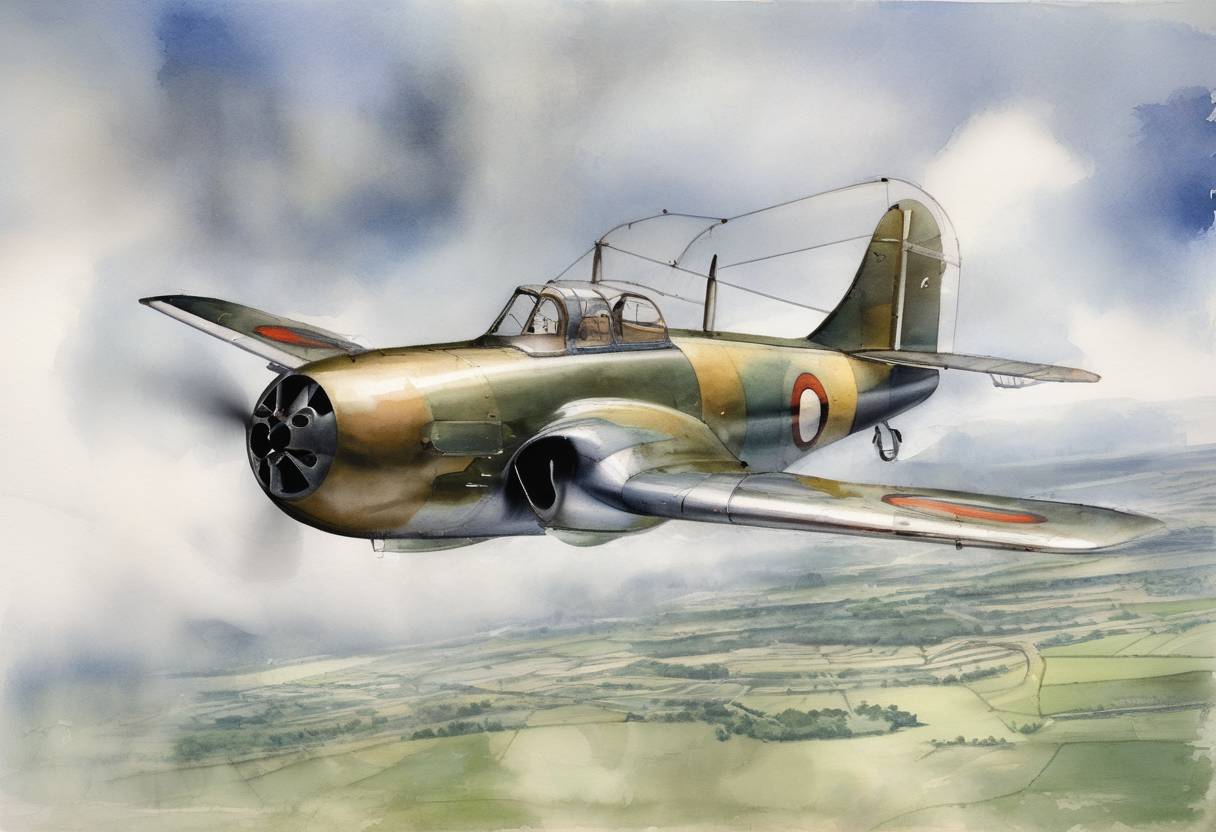
On May 15, 1941, the Gloster E.28⁄39, the first British aircraft powered by a jet engine, made its historic maiden flight. This event marked a significant milestone in aviation history, showcasing the potential of jet propulsion and setting the stage for the future of military and commercial aviation.
The development of the Gloster E.28⁄39 was driven by the pioneering work of Sir Frank Whittle, a Royal Air Force officer and engineer who had been advocating for jet propulsion since the late 1920s. Whittle’s company, Power Jets Ltd., developed the jet engine technology that would power the E.28⁄39. The aircraft itself was designed and built by the Gloster Aircraft Company, under the direction of chief designer George Carter.
On May 15, 1941, the Gloster E.28⁄39 took off from RAF Cranwell in Lincolnshire, piloted by Flight Lieutenant Gerry Sayer. The flight lasted approximately 17 minutes and was deemed a success, demonstrating the viability of jet propulsion. This flight was a crucial step in proving the concept of jet-powered flight and provided valuable data for further development.
The maiden flight of the Gloster E.28⁄39 on May 15, 1941, represents a pivotal moment in aviation history, highlighting the innovative spirit and technological advancements of the era.
Source: en.wikipedia.org