The Conclusion of the 2014 Winter Olympics in Sochi
2014 · Sochi, Russia
The Winter Olympics concluded in Sochi, Russia, with Russia leading the medal count with 33 medals, including 13 golds.
February 23, 2014
The closing ceremony of the 2014 Winter Olympics is held in Sochi, Russia, marking the end of the games that were notable for their high cost and controversies surrounding human rights and security.
Sochi, Russia | International Olympic Committee
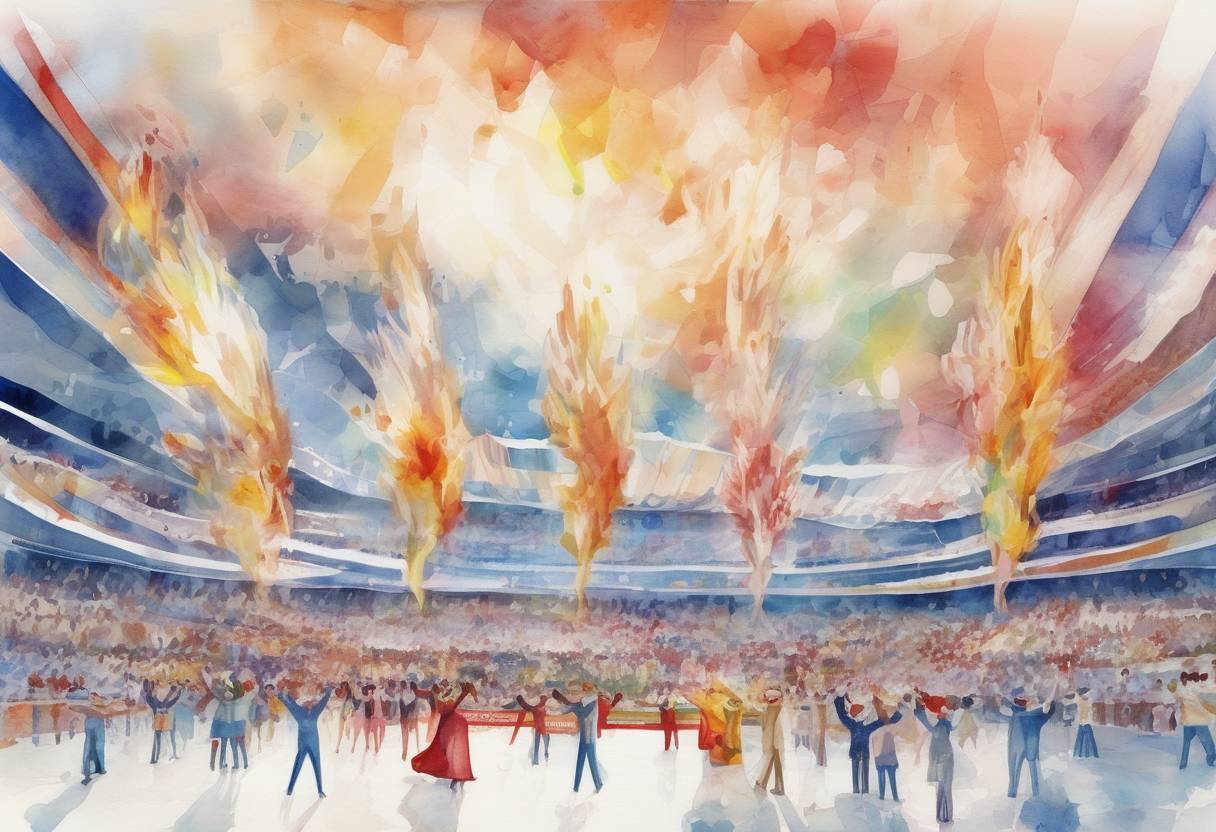
The closing ceremony of the 2014 Winter Olympics took place on February 23, 2014, in Sochi, Russia, marking the conclusion of the XXII Olympic Winter Games. This event was held at the Fisht Olympic Stadium, a venue specifically constructed for the Olympics, which also hosted the opening ceremony.
Cultural Showcase: The ceremony was a vibrant celebration of Russian culture and history, featuring performances that highlighted the country’s rich artistic traditions. It included ballet, classical music, and references to Russian literature, showcasing the nation’s cultural heritage.
Symbolic Elements: The ceremony included a humorous nod to the opening ceremony’s technical glitch, where one of the Olympic rings failed to open. During the closing, performers humorously recreated the moment, demonstrating a sense of humor and closure.
Parade of Athletes: As is tradition, the athletes entered the stadium together, symbolizing unity and the spirit of the Olympics. This moment celebrated the achievements and camaraderie of the competitors over the course of the games.
Handover to Pyeongchang: The ceremony included the official handover of the Olympic flag to Pyeongchang, South Korea, the host city for the 2018 Winter Olympics. This segment featured a cultural performance from South Korea, offering a glimpse of what to expect in the next Winter Games.
High Costs: The Sochi Olympics were the most expensive in history at the time, with costs estimated at around $50 billion. This expenditure was due to extensive infrastructure projects, including new sports venues, roads, and hotels.
Controversies: The games were marred by several controversies:
Athletic Achievements: Despite the controversies, the games saw remarkable athletic performances. Russia topped the medal table with 33 medals, including 13 golds, marking a successful outcome for the host nation.
The 2014 Winter Olympics in Sochi are remembered for their grandeur and the significant investment made by Russia to host the event. The games highlighted the geopolitical tensions of the time, particularly concerning human rights issues and regional security. The legacy of the Sochi Olympics continues to influence discussions on the costs and impacts of hosting large-scale international sporting events.
Source: www.olympic.org