1900 · Washington, D.C., United States
The Gold Standard Act is ratified, placing the United States currency on the gold standard.
May 16, 1866
The U.S. Congress establishes the nickel, a five-cent coin, replacing the half dime.
Washington D.C., United States | United States Congress
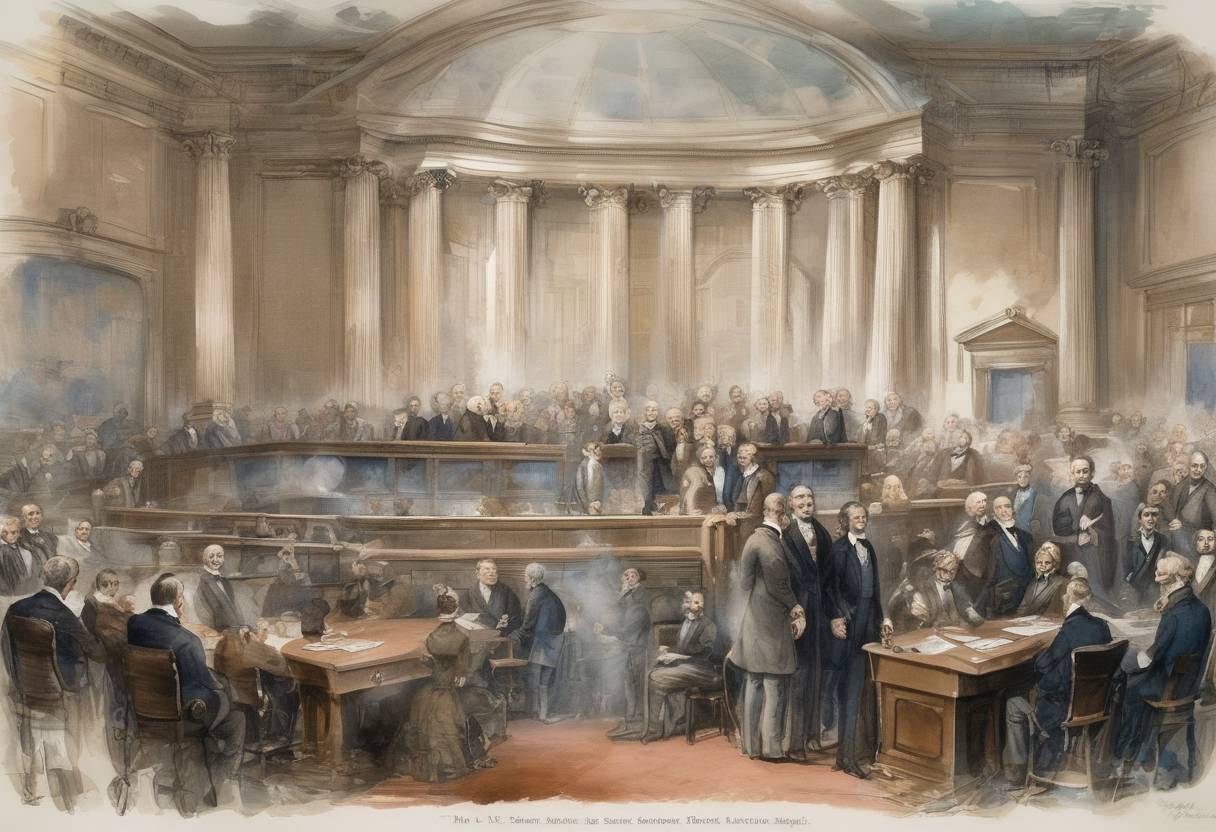
On May 16, 1866, the United States Congress passed legislation that led to the creation of the nickel, a five-cent coin that replaced the half dime. This decision marked a significant shift in American coinage, reflecting broader economic and technological changes of the era.
The Half Dime: Before the nickel, the half dime was the primary five-cent coin in circulation. It was made of silver and was much smaller in size compared to modern coins. The half dime had been in use since the early days of the U.S. Mint, first produced in 1792.
Economic Considerations: The Civil War (1861-1865) had a profound impact on the U.S. economy, leading to a shortage of coins as people hoarded precious metals. This shortage necessitated the development of coins made from less valuable materials.
Technological Advances: Advances in minting technology allowed for the production of larger coins made from base metals, which were cheaper and more durable than silver.
Composition: The new five-cent coin was made primarily of copper (75%) and nickel (25%), which gave it its name. This composition was chosen for its durability and cost-effectiveness.
Design: The first nickel, known as the Shield nickel, featured a shield on the obverse side and a large numeral “5” surrounded by stars and rays on the reverse. This design was intended to symbolize the strength and unity of the nation following the Civil War.
Size and Weight: The nickel was larger and heavier than the half dime, making it more practical for everyday transactions.
Economic Impact: The introduction of the nickel helped alleviate the coin shortage and facilitated commerce by providing a more accessible and durable currency option.
Cultural Shift: The transition from silver to base metal coins reflected a broader shift in American society towards practicality and modernization in the post-war period.
Legacy: The nickel remains a staple of U.S. currency today, with various design changes over the years, including the famous Buffalo nickel and the Jefferson nickel.
The establishment of the nickel on May 16, 1866, was a pivotal moment in U.S. monetary history. It not only addressed immediate economic challenges but also set a precedent for future innovations in coinage. The nickel’s introduction is a testament to the adaptability and resilience of the American economy during a period of significant change.
Source: en.wikipedia.org