Christine Wormuth: First Female Secretary of the Army
2021 · Washington D.C., United States
The US Senate confirmed Christine Wormuth as the first female Secretary of the Army.
June 19, 2015
The United States Treasury announced that a woman would be featured on the redesigned ten-dollar bill, marking the first time in over a century that a woman would appear on U.S. paper currency.
Washington D.C., United States | United States Treasury
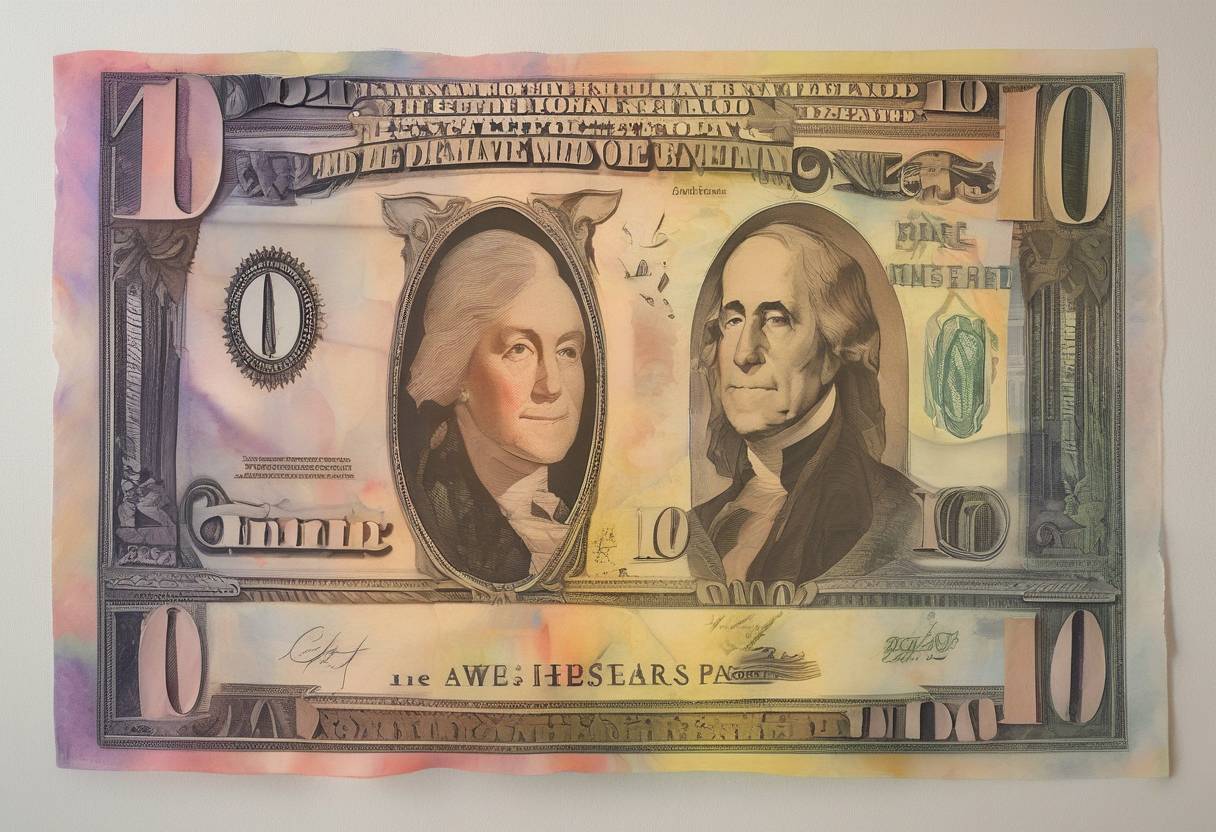
On June 19, 2015, the United States Treasury made a significant announcement that marked a historic change in the design of U.S. paper currency. The Treasury declared that a woman would be featured on the redesigned ten-dollar bill, a decision that would make her the first woman to appear on U.S. paper currency in over a century.
The decision to feature a woman on the ten-dollar bill was part of a broader initiative to celebrate the contributions of women to American history. This announcement came at a time when there was growing public discourse about the representation of women in various aspects of society, including on national currency. The last woman to be featured on U.S. paper currency was Martha Washington, who appeared on the one-dollar silver certificate in the late 19th century.
The decision to include a woman on the ten-dollar bill was part of a larger movement to recognize and honor the achievements of women in American history. It reflected a shift towards greater inclusivity and representation in national symbols. This move was also seen as an opportunity to educate the public about the historical impact of women who have shaped the nation.
Following the announcement, there was considerable public interest and debate over which historical figure should be chosen. The Treasury Department received numerous suggestions and engaged in discussions with historians and the public to determine the most suitable candidate. Ultimately, Harriet Tubman was selected to replace Andrew Jackson on the twenty-dollar bill, while the redesign of the ten-dollar bill continued to evolve with plans to feature women in a broader context.
The announcement on June 19, 2015, was a pivotal moment in U.S. history, highlighting the importance of representation and the ongoing efforts to acknowledge the diverse contributions of women to the nation’s heritage.
Source: www.nytimes.com