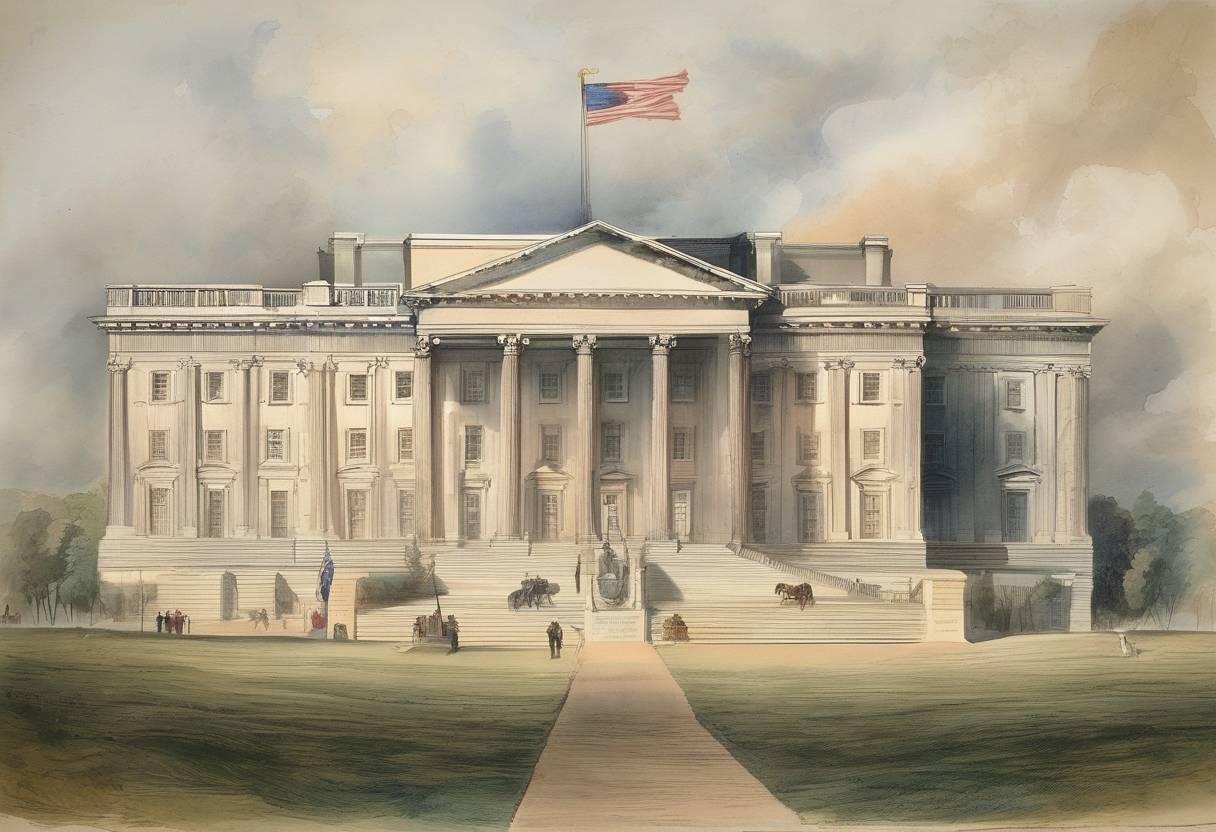
The United States National Debt Reduced to Zero: January 8, 1835
On January 8, 1835, the United States achieved a remarkable fiscal milestone: the national debt was reduced to zero. This unprecedented event occurred during the presidency of Andrew Jackson, marking the only time in U.S. history that the national debt was completely paid off.
Context and Background
Andrew Jackson’s Presidency: Andrew Jackson, the seventh President of the United States, served from 1829 to 1837. Known for his populist approach and strong opposition to centralized banking, Jackson was determined to eliminate the national debt, which he viewed as a source of corruption and economic instability.
Economic Conditions: The early 19th century was a period of economic expansion in the United States. The country was experiencing growth in agriculture and industry, which contributed to increased government revenues.
Fiscal Policies: Jackson’s administration implemented strict fiscal policies to achieve debt reduction. These included:
- Prudent Spending: The government exercised restraint in spending, focusing on essential expenditures.
- Tariff Revenues: High tariffs on imported goods provided significant revenue, which was used to pay down the debt.
- Land Sales: The sale of federal lands in the western territories generated additional income.
Key Events Leading to Debt Elimination
Bank War: Jackson’s opposition to the Second Bank of the United States played a crucial role. He vetoed the recharter of the bank and withdrew federal funds, placing them in state banks, which he believed would better serve the public interest.
Surplus Revenue: By the mid-1830s, the combination of high tariffs and land sales resulted in a surplus of government revenue, allowing for the complete payment of the national debt.
Consequences and Aftermath
Short-lived Achievement: The zero-debt status was short-lived. By the end of Jackson’s presidency, economic challenges, including the Panic of 1837, led to the reaccumulation of national debt.
Economic Impact: While the elimination of the debt was a significant achievement, it also highlighted the complexities of managing a growing economy. The subsequent economic downturn underscored the need for a balanced approach to fiscal policy.
Historical Significance: Jackson’s success in paying off the national debt remains a unique event in U.S. history. It reflects the challenges and opportunities of fiscal management in a developing nation and continues to be a point of reference in discussions about national debt and economic policy.
In summary, the reduction of the U.S. national debt to zero on January 8, 1835, under President Andrew Jackson, was a notable achievement driven by strict fiscal policies and favorable economic conditions. However, the subsequent economic instability highlighted the complexities of maintaining such a fiscal position.