The 1964 Surgeon General's Report on Smoking and Health
1964 · Washington, D.C., United States
The U.S. Surgeon General reported that smoking may be hazardous to health, the first such report linking smoking and ill health.
June 1, 1974
The Heimlich maneuver was published in the journal Emergency Medicine, introducing a new method to save choking victims.
Cincinnati, United States | Emergency Medicine Journal
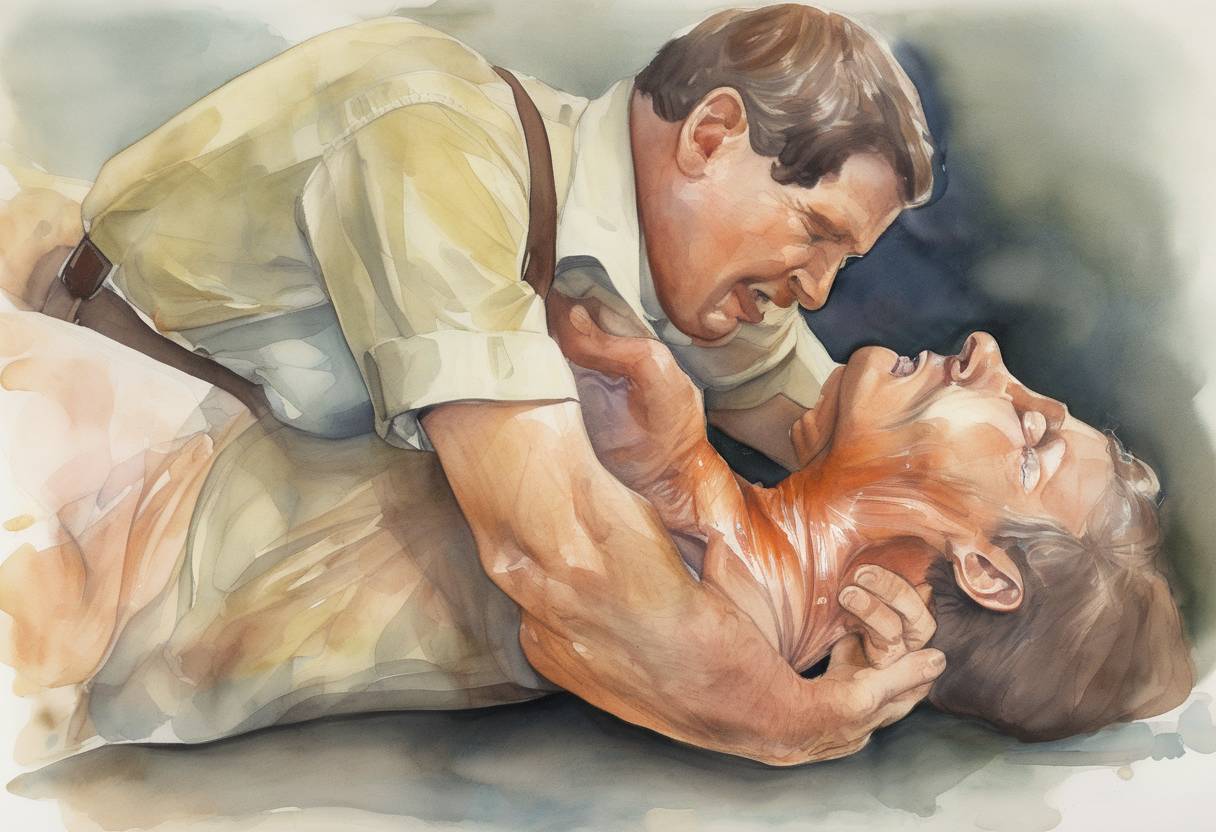
On June 1, 1974, the medical journal Emergency Medicine published an article that introduced a revolutionary technique for saving choking victims, known as the Heimlich maneuver. This method was developed by Dr. Henry Heimlich, an American thoracic surgeon, and it quickly became a critical procedure in emergency medicine.
Before the introduction of the Heimlich maneuver, the standard response to choking incidents often involved back slaps or attempts to manually remove the obstruction, which were not always effective and could sometimes worsen the situation. Dr. Heimlich sought a more reliable method to assist choking victims, particularly after observing the limitations of existing techniques.
The Heimlich maneuver involves a series of abdominal thrusts designed to expel an object blocking a person’s airway. The procedure is performed by standing behind the choking individual, wrapping one’s arms around their waist, and delivering quick, upward thrusts just above the navel. This action increases pressure in the abdominal cavity and diaphragm, helping to dislodge the obstruction.
The publication of the Heimlich maneuver in Emergency Medicine marked the beginning of widespread recognition and adoption of the technique. It was quickly endorsed by various medical organizations, including the American Red Cross and the American Heart Association, as an effective first-aid measure for choking.
The maneuver’s simplicity and effectiveness have made it a staple in first-aid training programs worldwide. It has saved countless lives and remains a critical skill taught to both medical professionals and the general public.
The introduction of the Heimlich maneuver is a prime example of how innovative medical practices can significantly impact public health and safety. It underscores the importance of continuous research and development in emergency medicine to improve life-saving techniques.
Dr. Heimlich’s contribution has left a lasting legacy, highlighting the role of medical professionals in advancing practical solutions to everyday health emergencies. The maneuver continues to be a vital part of first-aid education and emergency response protocols globally.
Source: en.wikipedia.org